

Updated February 2026: We have updated the article with the latest advances in AI-powered assistive technology. This includes real-time smart glasses for navigation, AI-enhanced mobility aids, predictive tools for independence, and modern wearable solutions designed to improve safety, personalization, and autonomy for seniors at Pleasant Pointe Assisted Living.
Enhanced Article on Pleasant Pointe Assisted Living
For over half a century, Pleasant Pointe Assisted Living has served as a cornerstone of senior care in Barberton, Ohio. Known for its holistic approach, the facility houses 49 residential units that cultivate independence while providing necessary support. According to A Place for Mom, Pleasant Pointe boasts a 9.2 out of 10 approval rating, reinforcing its reputation as a trusted partner in senior care.
A Legacy of Quality Care: Pleasant Pointe’s Offerings
Pleasant Pointe’s long history is marked by dedicated service. Established over 50 years ago, the facility is integral to Barberton’s senior care landscape. Key amenities include an exercise room, library, and various group activities fostering a sense of community. A resident testimonial on Caring.com highlights the friendly atmosphere and the array of activities, reflecting the facility’s dedication to resident well-being.
The balance between quality care and engaging living is seen through amenities like a theater room, spa, and planned social events. As stated on their About Us page, these offerings are part of Pleasant Pointe’s mission to enrich resident lives. In line with recent industry advances, there is an increasing emphasis on universal and inclusive design principles to foster comfort, ease of use, and autonomy for individuals with diverse abilities in assisted living environments (WHO.int, 2025 report on aging and assistive technology policies).
Comprehensive Care and Support Services
Pleasant Pointe excels in delivering comprehensive care addressing both physical and emotional health. Services include 24-hour supervision, medication management, and emergency alert systems, ensuring residents feel supported. This integrated model is complemented by its connection to Pleasant View Skilled Nursing, allowing seamless transitions for changing care needs.
According to Seniorly, daily assistance with routine tasks such as dressing and bathing showcases the facility’s commitment to personalized support, essential for maintaining dignity and independence in daily life. Enhanced by recent advances, assisted living communities are now integrating the latest AI-based mobility aids, smart walkers, and wearable sensor systems for real-time health monitoring and fall detection. Modern AI tools in assisted living include smart glasses equipped with scene recognition and voice-guided navigation, AI-powered wheelchairs with adaptive seating and obstacle detection, and predictive biometric wearables that support hands-free, personalized care. Technology-assisted rehabilitation—such as virtual and augmented reality therapies—remains a best practice for promoting mobility, cognitive engagement, and resident safety (MayoClinic.org; PubMed, 2025 publications; CDC guidelines, 2025; Envision Blog; PMI Space Coast; AbilityMT; Level Access; McKnight’s Home Care; First Aid for the Blind).
Resident Experiences and Community Integration
A vibrant community spirit defines life at Pleasant Pointe. Testimonials praise the friendly staff, nutritious meals, and clean environment. Shared social spaces and diverse activities encourage interaction and friendship—a vital aspect of a fulfilling senior lifestyle.
According to Oasis Senior Advisors, such elements are key in reducing isolation often felt in later years, enhancing quality of life. User and expert feedback increasingly highlights the importance of blending innovative assistive technology with compassionate care and robust social engagement, ensuring modern senior living environments not only prioritize safety and independence but also meaningful connection. AI-driven solutions like real-time translation for multilingual residents or visitors, voice assistants facilitating social interaction, and community-driven updates support more inclusive and accessible environments for all abilities. Regulatory best practices now emphasize ethical, multimodal AI deployment and regular bias audits to align with society’s evolving expectations (MedlinePlus.gov, 2025 reviews; EU rehabilitation research, 2025; Envision Blog, 2025; PMI Space Coast, 2025; Level Access, 2025).
Enhancing Independence with Mobility Solutions
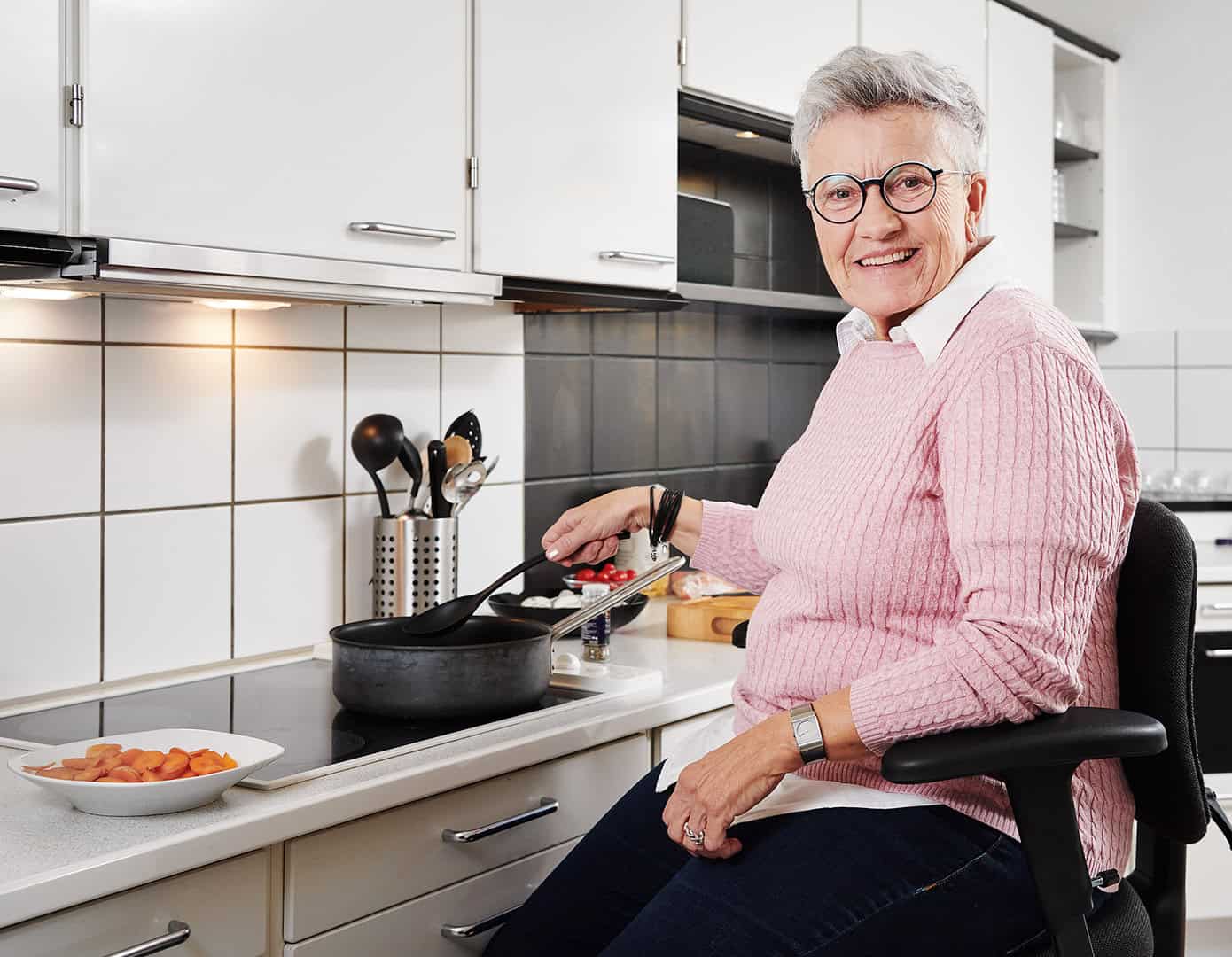
For many, the shift to assisted living is prompted by challenges faced at home, such as mobility and safety concerns. However, innovative mobility solutions like VELA chairs provide an option for maintaining independence longer at home. Medically approved, these chairs offer enhanced safety with features like a central brake, freedom of movement while seated, and support for daily activities such as cooking or dressing. They reduce the physical load on informal caregivers and foster a sense of dignity and autonomy, making them a worthwhile consideration for those exploring alternatives to traditional nursing home care. In addition, AI-enhanced mobility aids—including smart wheelchairs with pressure monitoring, adaptive exoskeletons, and wearable devices like Meta Ray-Bans or iSee smart glasses—offer residents hands-free navigation, scene recognition, and proactive fall prevention. These solutions represent the new standard in empowering independence and personalized care in both home and community settings (PubMed wearable robotics in geriatrics, 2025; AbilityMT, 2025; First Aid for the Blind, 2025; Envision Blog, 2025; PMI Space Coast, 2025).
Exploring Alternatives to Nursing Homes
How mobility solutions for seniors living at home can make a difference, such as the VELA chair, becomes evident in everyday scenarios. Imagine navigating the challenges of daily life with limited mobility—transfers become riskier, and energy levels may wane. Without the proper support, tasks like cooking or cleaning might soon be overwhelming. Here, VELA chairs provide a practical and dignified solution. With a central brake for safety, an electric height adjustability feature, and ease of movement while seated, these chairs help keep seniors independent longer. While not the only solution on the market, VELA represents a proven option for delaying the need for full-time residential care, allowing older adults to extend their time in familiar surroundings and maintain their cherished routines. Now, with the addition of wearable biometric sensors, predictive AI-based monitoring, and edge-computing devices designed for aging-in-place, at-home safety and well-being are further enhanced. Clinical trials are underway for AI-brain interface solutions aimed at restoring movement and increasing autonomy for individuals with significant mobility challenges (WHO.int, 2025; CDC guidelines, 2025; McKnight’s Home Care, 2026; AbilityMT, 2025; Envision Blog, 2025; First Aid for the Blind, 2025).