

Updated September 2025: We have updated the article to reflect new advances in AI-powered health monitoring, integrated smart home technologies, customizable assistive devices, and cognitive support tools now shaping senior care. The update includes the growing impact of telemedicine, regulatory trends, and the importance of ergonomic and inclusive design for both physical and cognitive disabilities, with relevant authoritative sources.
Precisive Care Assisted Living: A Home-Like Sanctuary in Pearland, Texas
In the tranquil surroundings of Pearland, Texas, Precisive Care Assisted Living emerges as a beacon for families seeking compassionate, personalized elder care. As the National Institute on Aging states, “Assisted living is designed for people who need help with daily care, but less help than a nursing home provides.” This mission aligns with Precisive Care’s commitment, resonating with families whose loved ones require support that nurtures independence in a homely environment.
According to Precisive Care leadership, the facility combines over 30 years of healthcare experience with elder-focused care strategies, ensuring quality and safety. Most residents, typically aged 75 to 90+, face conditions such as dementia, mild cognitive impairment, and mobility limitations, making Precisive Care’s tailored approach crucial. Recent advances have made it possible for residents to benefit from AI-powered health monitoring and smart home integration, with devices tracking vital signs, detecting falls, and providing predictive analytics for proactive health management.[1][2][3]
Overview of Precisive Care: Philosophy & Values
At the heart of Precisive Care is a philosophy centered on creating a genuine home atmosphere. With an emphasis on spiritual and familial integration, residents find a place where emotional and physical well-being are equally prioritized. The leadership team, including a master’s prepared Registered Nurse with a Ph.D., is committed to elder care excellence. Residents thrive in this nurturing ecosystem, as evidenced by stories like Mr. Thompson’s, who rediscovered joy through regular participation in spiritual programs. In response to evolving best practices, the facility is also enhancing its environment with ergonomic and inclusive design, supporting both physical and cognitive health using the latest advancements in assistive technology.[4]
What Makes Precisive Care Different? Resident-Centered Approach and Clinical Leadership
Precisive Care distinguishes itself with a resident-centered care model, crafted and overseen by seasoned healthcare providers. Personalized care plans address residents’ unique needs and preferences, fostering autonomy and individuality. Supported by the findings of Zimmerman et al., these bespoke care plans, whether for dementia or other impairments, improve both resident outcomes and care proficiency. Consider Ms. Langley, whose mobility challenges were carefully managed, allowing her to regain independence and enjoy a fuller life. Additionally, Precisive Care’s adoption of AI-powered predictive analytics and integrated AI assistant technologies support residents in daily living and health management, providing context-aware support and real-time updates to enhance independence and safety.[5][7]
Services and Amenities: What to Expect
Entering a day in the life at Precisive Care, one finds a rich tapestry of services designed to enhance daily life. Residents receive assistance in activities of daily living (ADLs), meticulous medication management, and nutritionist-guided meal plans. Unique amenities such as spiritual enrichment and a vibrant social activities calendar ensure holistic community well-being. The facility’s commitment to technological advancement is reflected in the growing use of wearable health technologies, remote monitoring devices, and smart building automation—improving not only health safety, but also operational efficiency for staff and peace of mind for families.[2]
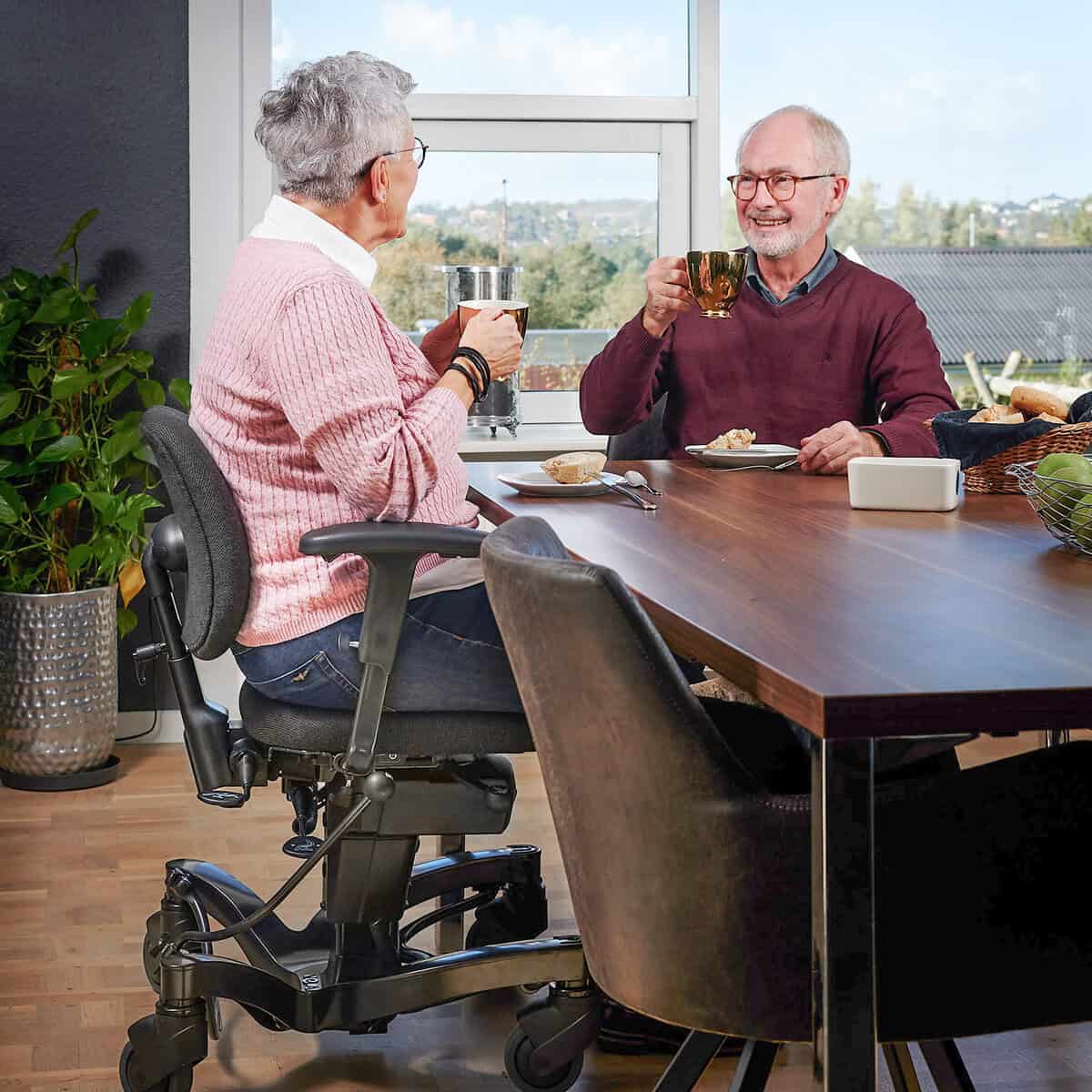
While nursing homes often deal with more complex care challenges, solutions that help older adults maintain independence within their homes are equally crucial. In this context, advanced mobility solutions become indispensable, with options such as the VELA Independence Chair offering medically-approved support to enhance safety and freedom of movement. This versatile chair assists with daily tasks like cooking, dressing, and transferring, significantly reducing the physical demands on informal caregivers. In addition, there is a growing selection of AI-enhanced customizable devices—such as intelligent wheelchairs and AI-assisted smart glasses for navigation—now accessible to more users due to improved affordability and global manufacturing.[3]
Cost, Payment, and Affordability Considerations
Precisive Care’s commitment to affordability makes it an attractive choice for families. Comparative analysis against regional counterparts shows it offers considerable value, balancing costs with high care standards. Families can explore diverse payment avenues, with Medicare.gov noting that Medicaid may cover some eligible services. An illustrative case is the Richards family, who appreciated the combination of affordability and personalized attention, ensuring their patriarch’s comfort and dignity. New trends in the assistive device market—driven by global aging populations and a projected CAGR of 12.1% from 2024 to 2030—have helped promote broader regulatory support and resulted in reduced costs for many tech-enabled care options.[3]
Choosing Precisive Care: A Commitment to Quality and Independence
Precisive Care Assisted Living stands as a testament to personalized elder care, where premium services merge seamlessly with thoughtful adaptation to individual needs. As families deliberate on assisted living options, the role of mobility aids like VELA chairs in enhancing independence cannot be understated. The widespread integration of ergonomic and cognitive support devices, including AI-powered assistants and brain training applications for those with cognitive challenges, ensures residents have the means to remain active and engaged.[4]
For further insight into eldercare choices, the National Institute on Aging and Medicare.gov offer valuable resources, while new industry reports and technology showcases provide updated evidence on affordable innovations, regulatory trends, and telehealth adoption.
By selecting Precisive Care, families are choosing more than just a residence—they’re making a commitment to dignity, safety, and the continuous betterment of life, set within a loving community where each resident feels at home and empowered by the latest technology.