

Updated February 2026: We have updated the article with new information on AI-powered assistive technologies, wearable exoskeletons, smart mobility devices with fall detection and GPS, mainstream adoption of remote health monitoring, and trends in technology use among older adults and caregivers.
Provisions Assisted Living: Essential Services for Independence and Safety
Assisted living facilities are vital in supporting the aging population, particularly those over the age of 85. Over 80% of individuals in this age group require assistance with daily activities, ensuring they maintain a balance between independence and necessary care according to the National Institute on Aging.
Understanding Core Services in Assisted Living Facilities
Assisted living facilities offer a comprehensive range of personal care services tailored to individual needs, with the goal of preserving the dignity and independence of residents. Assistance with Activities of Daily Living (ADLs), such as bathing, dressing, and medication management, plays a critical role. According to Aging.ca.gov, these services not only bolster confidence in residents like Ms. Johnson, who regained mobility through consistent support, but also highlight the real-life benefits of these provisions.
Emerging Technologies and Solutions for Senior Independence
Recent advances in assistive living emphasize AI-powered technologies, smart home integration, and wearable health devices to improve independence, safety, and quality of life for seniors. New AI-enabled assistive devices, including smart walkers and rollators with integrated sensors and GPS, as well as AI-powered canes for obstacle detection, now provide proactive support by detecting falls, tracking location, and giving vibration feedback for obstacles AANP. Wearable exoskeletons for gait support have seen broader implementation, enabling seniors with reduced mobility to walk with increased stability and endurance Medtronic. Smart home systems offer enhanced voice controls, gesture and radar-based fall detection without the need for wearables, medication reminders, and automated climate or lighting adjustments. Wearable health devices—like advanced chronic condition management trackers and devices with telehealth integration—are now mainstream, giving caregivers and clinicians immediate remote access to health data AARP. These solutions foster aging in place, allowing more seniors to remain at home safely while maintaining an active lifestyle Health Dimensions Group.
Navigating State Regulations and Quality Standards
The quality and range of services provided in assisted living depend greatly on state-specific regulations. For instance, facilities in California must adapt their services in compliance with evolving state regulations to enhance safety and quality. The National Center for Assisted Living (NCAL) reports that facilities have adjusted to new infection control standards, reflecting their ability to maintain high-quality, safe environments for residents. In addition, expanded policies and reimbursement coverage now support AI-assisted care and remote monitoring, making advanced health services and telemedicine broadly accessible to seniors AANP.
Financial Considerations and Payment Options in Assisted Living
The financial aspect of assisted living can be challenging, as costs are primarily borne by families. However, options such as long-term care insurance, Medicaid waivers, and veteran benefits offer financial relief. Mr. Smith, a veteran, was able to significantly reduce his costs for assisted living through benefits, showcasing the potential for financial aid. National Church Residences advises families to explore tax deductions, sliding-scale fees, and other strategies to alleviate financial pressures. As regulatory changes continue to drive telehealth reimbursement and insurance coverage for advanced assistive technologies, more seniors can benefit from proactive supportive solutions Standards Sunrise Foundation.
Supporting Aging in Place: A Practical Option
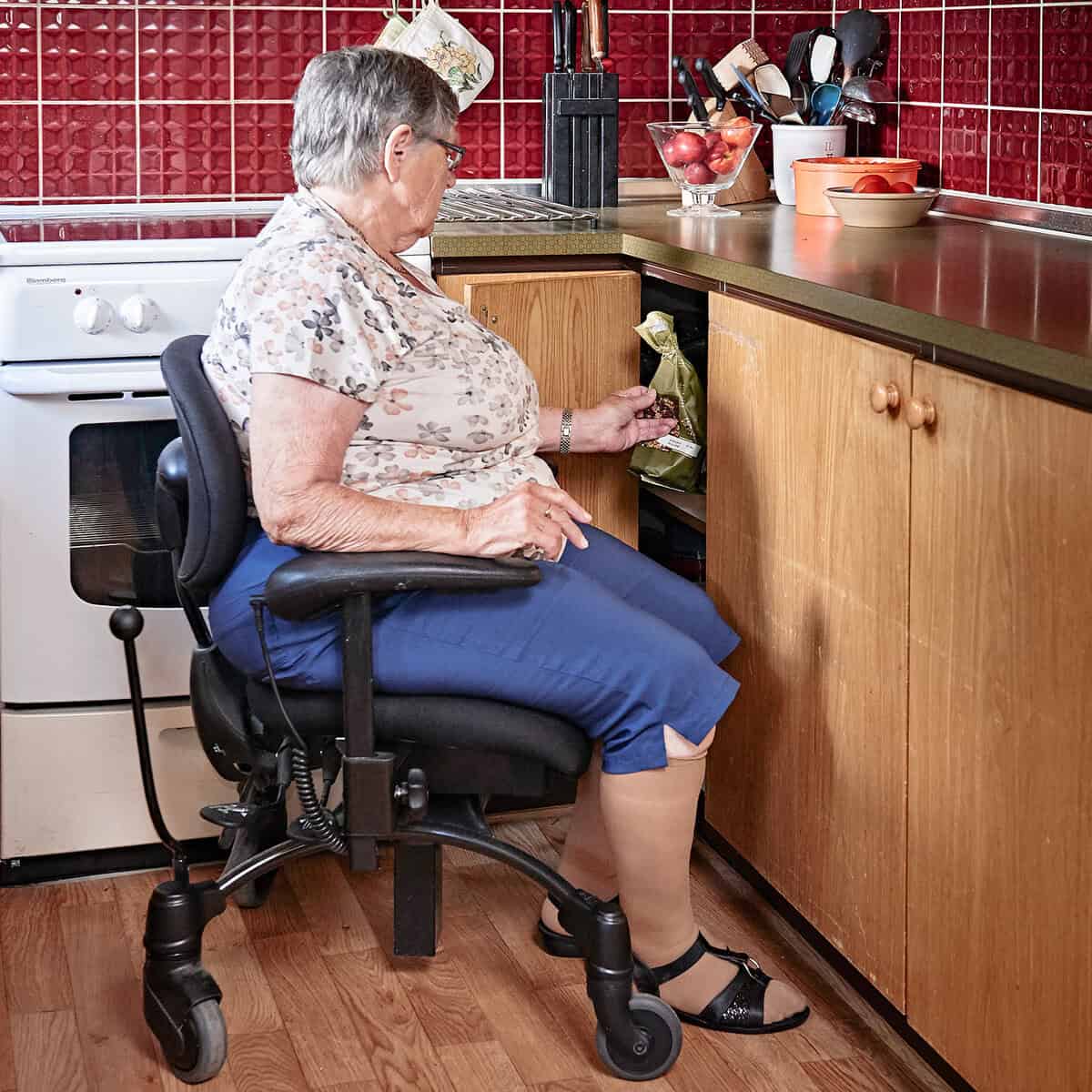
Staying independent at home is a cherished option for many seniors. Tools like the VELA Independence Chair can make this a viable reality by addressing common challenges faced in home environments. Key features include electric height adjustability and easy movement while seated, which significantly enhance safety and reduce fall risks. Imagine the difference as a simple meal preparation becomes a relaxed and safe activity rather than a risky and exhausting task. With the aid of a VELA chair, older adults maintain greater dignity, freedom, and energy, potentially delaying the need for a transition to nursing home care. While not the exclusive solution, VELA stands out as a proven, practical choice that supports aging in place efficiently and respectfully.
Enhancing User Experience and Adoption of Technology
Technology adoption among adults aged 50 and older continues to accelerate, with 30% of adults aged 50+ regularly using AI-powered assistive devices as of 2025—up from 18% the previous year AARP. In the 80+ age group, nearly half view technology as essential for healthy aging, and 40% plan to purchase advanced assistive devices in 2026. Caregivers are increasingly leveraging technology for care coordination and monitoring, with intuitive, age-inclusive design now a mainstream requirement for new products YouTube: The Landscape of Assistive Technology (AT) and Older Adults. Modern assistive solutions now include customizable controls, adaptive interfaces, and AI-personalized care plans, while aging-in-place services often provide tech support and device training to ensure accessibility. These advances are helping more seniors and caregivers harness technology to maintain safety, health, and independence AANP, AskSAMIE.
Outlook and Market Growth
The assistive device market for seniors is projected to double by 2030, driven by population growth and widespread adoption of AI-enhanced devices like wearable exoskeletons, remote health sensors, and smart home systems Market.us. Clinical and regulatory trends now favor AI-assisted diagnostics and personalized care planning, including genetic testing integration and collaborative models between aging services and assistive technology programs, as the population over 65 is expected to rise 67% by 2040 Medtronic. Predictive analytics and holistic wellness solutions—including mental health, nutrition, and individualized rehabilitation—are reshaping standards of care for older adults, ensuring a safer and more empowered aging experience Heisinger Bluffs.
AANP: Top Five Health Care Trends for 2026
AARP: 2026 Technology Trends for Older Adults
Medtronic: 6 Healthcare Tech Trends for 2026
YouTube: The Landscape of Assistive Technology (AT) and Older Adults (Jan 14, 2026)