

Updated September 2025: We have updated the article to include recent advancements in AI-driven and wearable assistive technologies, innovative communication and mobility devices, integrated smart solutions for assisted living, and the latest best practices in rehabilitation and inclusive design. The article now reflects emerging trends in assistive tech, clinical recommendations, and equity challenges in accessing these solutions.
Navigating the Journey: Putting a Parent in Assisted Living
Deciding to transition a parent into assisted living is a complex decision filled with emotional and logistical challenges. This process blends empathy with practical planning, ensuring that your loved one maintains as much independence and quality of life as possible.
According to CDC Long-Term Care Providers, residents of assisted living facilities are typically over 85 years old, with about 42% living with dementia. As Dr. Linda Fried, a noted geriatrician and dean at Columbia Mailman School of Public Health, has stated, “Most people underestimate both the emotional toll and financial investment associated with the move to assisted living.” This underscores the importance of early planning and transparent family discussions, as these are crucial steps in navigating this significant life transition.
What is Assisted Living and How Can It Benefit Your Parent?
Assisted living provides a bridging option between independent living and full-time nursing care. These facilities help with Activities of Daily Living (ADLs)—like bathing, dressing, and medication management—but generally do not provide extensive medical services typical of nursing homes. According to NIH/National Institute on Aging, these services cater ideally to those requiring some assistance while wishing to retain a level of independence.
Key Signs It’s Time to Consider Assisted Living for Your Parent
Deciding when to transition your parent to assisted living can be daunting. Signals include an increased need for ADL assistance, frequent medical interventions, or major shifts in mood and behavior. According to AHCA/NCAL Facts, these are common issues among residents, making assisted living a sensible choice for many families.
Managing the Emotional and Financial Implications of Assisted Living
Transitioning to assisted living often involves both emotional adjustments and financial planning. While families may grapple with feelings of guilt or anxiety about the move, costs can range widely, averaging between $4,500 and $5,500 per month (Retirement Living). Exploring funding options, like long-term care insurance, veterans benefits, or Medicaid, can alleviate financial burdens.
How to Choose the Best Assisted Living Facility for Your Parent
Selecting an appropriate assisted living facility entails detailed research and personal visits. Consider variables like location, services, staff interaction, and resident reviews. Utilize resources like Medicare’s Nursing Home Compare tool for comparing facilities based on quality measures, ensuring an informed and confident choice.
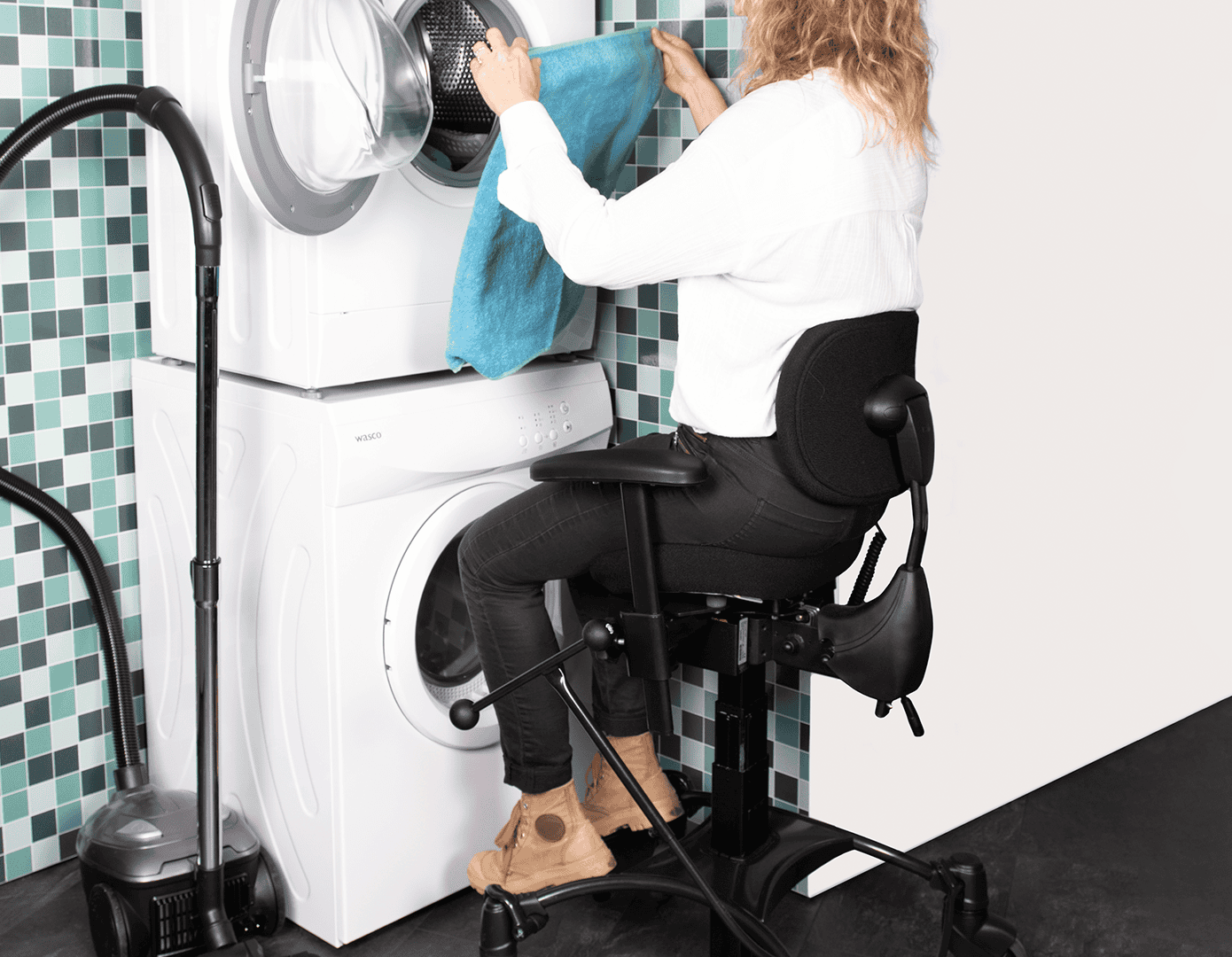
When the challenges of adapting to assisted living facilities become a concern, exploring options that enable seniors to maintain independence at home may offer a viable alternative. Devices like the VELA Independence Chair can play a crucial role in this regard. VELA is a medically approved mobility chair designed for use at home, offering enhanced safety and freedom of movement while seated. This innovative chair supports daily activities such as cooking, dressing, and transferring, significantly easing the physical load on informal caregivers.
Modern Assistive Technologies and Solutions for Assisted Living
- Recent advances in assistive technology provide more than traditional aids: AI-powered wearable devices, such as Meta’s Ray-Ban Smart Glasses with Live AI, enable real-time hands-free descriptions, object recognition, and scene summaries, significantly supporting independence for individuals who are blind or have low vision.
First Aid for the Blind (2025) - Robotic prosthetics, including the Bio Leg robotic knee, combine sensors and electric motors to provide natural movement and improved comfort for above-knee amputees, supporting mobility in assisted living environments.
ConnSense Report (2025) - Assistive communication is advancing with wearable AI technology such as Bling, which converts atypical speech and sign language to both audible speech and text, improving real-time interactions for residents with speech disabilities.
ConnSense Report (2025) - New wearable devices like XanderGlasses Connect offer direct speech-to-text and multilingual environmental sound captioning for people with hearing impairment, also including features for those with cognitive challenges.
ConnSense Report (2025) - AR and VR technologies are being integrated into rehabilitation and social engagement, providing immersive learning and therapy experiences for residents with mobility or visual impairments.
Journal of Visual Impairment & Blindness (2025) - Inclusive, user-centered design now plays a vital role in product development, ensuring new technologies meet the real needs of residents and are adopted successfully in assisted living communities.
Journal of Visual Impairment & Blindness (2025) - Systemic barriers to access persist, especially in low- and middle-income regions. Families and providers are advised to stay informed of evolving resources and support programs that target affordability and availability of advanced assistive products.
ATscale & Clinton Health Access Initiative (2025)
These developments are now reflected in clinical, educational, and assisted living best practices, supporting better independence, communication, and quality of life for residents.
For further reading, see Let’s Envision (2025) and Innocaption (2025).
Supporting Aging in Place: A Practical Option
- Many seniors experience significant benefits when choosing to remain in their homes rather than transitioning to assisted living.
- One strategic way to support this preference is through mobility solutions like the VELA Independence Chair.
- This chair features a central brake system for added safety and electric height adjustability for easier transfers.
- It allows for effortless movement while seated, significantly reducing the risk of falls and conserving energy for everyday activities.
- Whether cooking, cleaning, or simply relaxing, the chair helps maintain dignity, freedom, and safety at home.
- In addition to traditional devices, families can now consider AI-powered and robotic assistive technologies, wearables, and integrated smart solutions (as described above) to further enhance home safety, communication, and independence and potentially delay the need for facility-based care.
While VELA might not be the only solution, it stands as a proven, practical option to delay the need for moving into nursing homes, enabling seniors to age gracefully in their own space. Emerging technologies offer even greater opportunities for maintaining independence and quality of life in a home environment.
For more insights on senior mobility solutions, explore mobility solutions for seniors and learn about fall prevention strategies for seniors.