

Updated February 2026: We have updated the article with the latest CES 2026 innovations in AI-powered mobility aids (including stair-climbing power chairs, smart wheelchair attachments, and navigation wearables), updated Louisiana regulatory guidance through 2026, and current best practices for tech integration in assisted living. The article now reflects trends reducing staff dependency and enhancing resident autonomy with advanced assistive solutions.
Updated October 2025: We have updated the article to highlight recent advances in AI-powered and smart assistive mobility solutions, including health-monitoring wheelchairs, retrofit technologies, and integration with digital health and smart home systems. While Louisiana’s assisted living regulations remain unchanged, best practices increasingly emphasize inclusive, user-centered technology integration to support resident autonomy and caregiver effectiveness.
Residential Assisted Living in Louisiana: A Comprehensive Guide
Louisiana is an attractive destination for seniors searching for residential assisted living options. The state’s blend of cultural richness, economic accessibility, and an expanding eldercare market make it a compelling choice. Understanding the landscape of residential assisted living in Louisiana begins with recognizing the state’s growing senior population and the associated demand for tailored care solutions.
Understanding Louisiana’s Assisted Living Landscape
Demographics and Market Dynamics
Louisiana’s senior population, particularly those aged 65 and above, is growing significantly. According to IBISWorld, the state’s retirement communities industry is on track to reach a value of $520.2 million by 2025. This growth mirrors the broader national trend, driven by the aging Baby Boomers. A local assisted living community in Baton Rouge, for instance, expanded its services to include memory care facilities, meeting diverse senior needs. Practical experience shows that residents benefit greatly from personalized care plans and engage in social activities designed to enhance cognitive functions and mobility.
Rising Demand for Seniors’ Services
The anticipated increase in the senior population by 42% for those 65+ and a staggering 111% for those 85+ underscores the escalating demand for residential assisted living. These numbers highlight the importance of strategic planning in meeting the health challenges that naturally accompany aging, like mobility and chronic conditions. The rising demand represents an opportunity for facilities to innovate with specialized care programs and infrastructure, such as enhanced living spaces designed to reduce fall risks. Increasingly, advances in assistive technology—including AI-powered mobility devices and smart health-monitoring solutions—are setting new expectations for resident independence and support. Facilities are now considering the integration of these innovations as part of holistic care and future-proof environments Keyway Medical, PMC (PubMed Central). Trends in 2026 now include solutions such as WheelMove wheelchair attachments—which can extend range up to 25 km per charge—MaaS-Bridge AI systems that facilitate accessible mobility-as-a-service transitions for seniors, SEERU environmental sensors providing real-time support for those with mobility or hearing limitations, and advanced all-terrain, stair-climbing AI power chairs like the XSTO X12, which further enhance residential independence Mobility Management, McKnight’s Home Care. Broader adoption of AI-powered navigation (such as LUCI or Robooter X40 technologies) and wearable low-vision navigation aids (like iSee AI glasses) further support autonomy and reduce staff dependency in residential care settings.
Financial Aspects of Assisted Living in Louisiana
Cost Comparisons and Inflation Trends
Louisiana’s assisted living costs are competitive compared to national averages. As of 2025, the median cost is around $4,015 per month. This is more affordable than many states, especially when compared to the East and West Coasts. However, like the rest of the nation, Louisiana is not immune to rising costs. According to A Place for Mom, national assisted living rates have increased by over 52% in the past decade, indicating a similar trend within the state.
Financial Planning and Assistance
Managing these expenses is a significant concern for many families. Louisiana offers various financial support avenues, such as long-term care insurance and veterans’ benefits. A real-life scenario in New Orleans demonstrates a family successfully managing assisted living costs through the use of Medicaid waiver programs, emphasizing the importance of exploring all available options early in the planning process to ensure sustainability of care. As of 2026, state regulations and eligibility for programs such as the Community Choices Waiver (CCW) are overseen by the Louisiana Department of Health, and no substantial regulatory or threshold changes have occurred since 2025. Facilities must continue to follow established procedures and maintain ADA-accessible living units, individualized service plans, and emergency call systems within their communities to remain compliant ASPE/HHS, Louisiana Department of Health, MyFieldAudits.
Types and Services of Assisted Living Communities
Diverse Community Offerings
Louisiana’s assisted living communities are varied. They range from small, cozy homelike settings to expansive complexes offering comprehensive care. According to Assisted Living, the state houses over 120 facilities offering a spectrum of care, including memory care units and specialized medical assistance. Expertise in geriatrics is critical for staff working in specialized units, ensuring they are equipped to manage age-related conditions like dementia and Parkinson’s. Facilities are now being encouraged to prepare for technology-driven care, accommodating advanced assistive devices such as retrofit smart wheelchairs and tools for digital health monitoring. This proactive approach not only helps meet regulatory standards but also supports best practices in promoting autonomy and safety Equal Accessibility LLC. In 2026, facilities are increasingly adopting innovative solutions such as AI navigation, all-terrain power chairs, and wearable navigation aids to further support residents’ changing needs Mobility Management, McKnight’s Home Care.
Cultural Enrichment
An assisted living community in Lafayette exemplifies how cultural elements are integrated into care. Residents indulge in Creole cuisine and partake in unique cultural activities, enriching their living experience. Such offerings cater to Louisiana’s rich cultural tapestry, a critical factor in choosing the right community. Experience-based practices, like celebrating Mardi Gras with residents, integrate tradition and joy into daily living, improving overall quality of life.
Financing and Planning for Assisted Living
Payment Solutions and Future-Proofing
Understanding payment options is vital. While private pay is predominant, leveraging long-term care insurance or veterans’ benefits can significantly ease the financial burden. Planning for expected cost increases is crucial, considering trends of 4-5% annual inflation. According to Senior Living, veterans in Alexandria used their benefits effectively to afford quality assisted living, a strategy other qualifying seniors should consider.
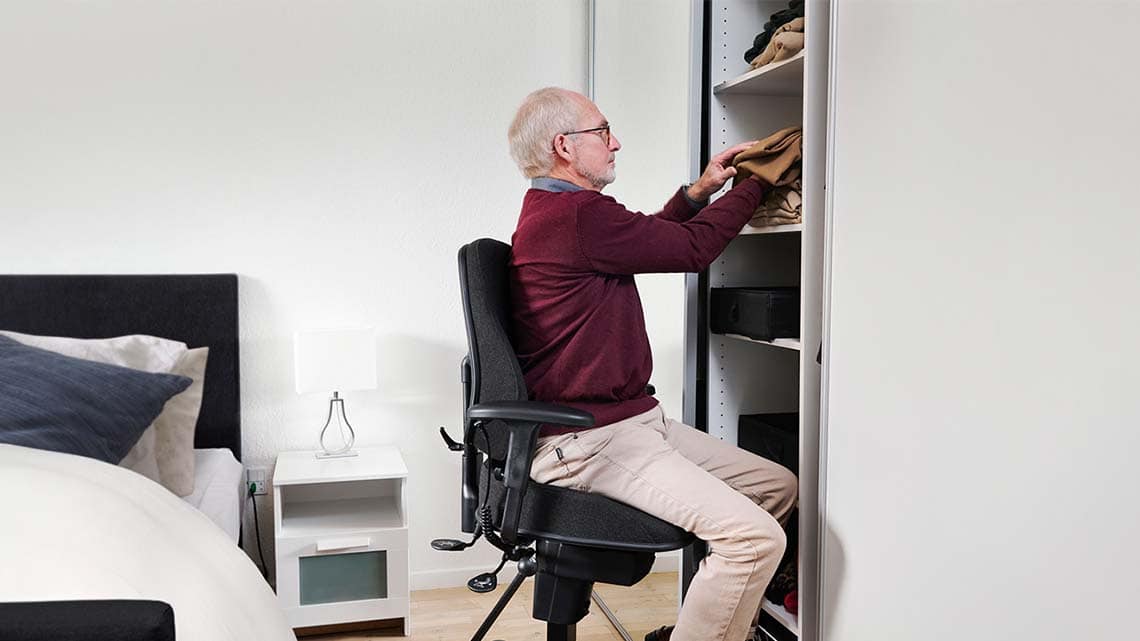
In the face of burgeoning challenges in nursing homes, such as limited personalized care and high costs, many seniors and their families are exploring ways to maintain independence at home longer. Innovations like the VELA Independence Chair provide practical solutions. This medically approved mobility chair is designed for home use, enhancing safety and mobility for seniors by allowing them to comfortably conduct daily activities such as cooking, dressing, or transferring. By reducing the physical demands on informal caregivers, the VELA chair supports aging in place, offering a meaningful alternative to more institutionalized care settings. In 2026, seniors also have expanded options for home mobility: products such as WheelMove wheelchair attachments, adaptive all-terrain bikes, and AI navigation modules support both indoor and community mobility while easing the caregiving burden Mobility Management, McKnight’s Home Care.
Exploring Alternatives to Nursing Homes
Mobility solutions like the VELA Chair can extend the time seniors spend at home by providing essential support for daily life activities. Its unique features, such as a central brake for added safety, electric height adjustability for easy transferring, and smooth rolling capabilities, allow seniors to navigate their homes with greater confidence and ease. This can delay the need for nursing homes by mitigating fall risks and preserving energy, enabling elderly individuals to maintain their dignity and independence. With the VELA Chair, tasks like cooking and cleaning become more manageable, illustrating how innovative seating solutions can enhance the quality of life and offer a practical option for those wishing to age in place. While the VELA Chair is one of many solutions, its proven benefits make it a valued choice for families and caregivers aiming to support seniors living independently at home. Current innovations may also include AI-driven guidance, stair-climbing technology, and health-tracking wearables to support both safety and freedom at home Mobility Management, McKnight’s Home Care.
Trends in Assistive Technology and Inclusive Design
Although Louisiana has not enacted new assisted living regulations since 2019, there is a rapid evolution in the broader field of assistive technology. Smart, AI-powered mobility devices are now available, offering features like obstacle detection, health monitoring, and voice or gesture control, which allow users greater autonomy and safety Keyway Medical, Equal Accessibility LLC. Facilities benefit from staying current with these advances, as new retrofit solutions allow for integration with digital health systems and smart home technologies—enhancing inclusivity and quality of life for residents. Robotic exoskeletons and functional electrical stimulation are also contributing to shared control and real-time health tracking in rehabilitation contexts PMC (PubMed Central). As 2026 approaches, highlighted trends include the introduction of devices such as advanced all-terrain AI power chairs, wheelchair upgrade kits (WheelMove), mobility-as-a-service bridging technology, senior-focused environmental safety sensors (SEERU), and AI-powered wearables for vision and mobility support. Adoption of these tools in Louisiana residential care settings aligns with best practices for enhancing independence, reducing reliance on staff for routine movement, and supporting emergency responsiveness Mobility Management, McKnight’s Home Care.
Best practices now emphasize supporting and maintaining such advanced devices, personalizing care plans around user-driven technology, and training staff to accommodate evolving mobility needs. Louisiana Department of Health regulations continue to stress 24-hour supervision, individualized service plans, emergency call system requirements, CPR/first aid staff mandates, and compliance with ADA-accessible private residential units for all Adult Residential Care Providers (ARCPs). Emerging staff training programs are incorporating instruction on the operation and troubleshooting of advanced assistive technologies, as facilities modernize in step with sector advancements MyFieldAudits. As these innovations become more widely available, ongoing monitoring of state and federal policies is advised to ensure facilities remain ready to meet developing standards and patient expectations AHCA/NCAL, Louisiana Department of Health.