

Updated February 2026: We have updated the article to include new developments in AI-powered mobility aids, smart wheelchairs, all-terrain and robotic assistive devices, and digital health integrations that are redefining independence for seniors in assisted living and rest homes. This update also covers cost, insurance trends, and how tech-enabled solutions help delay nursing home transitions.
Choosing Between Rest Homes and Assisted Living: A Comprehensive Guide
Understanding the differences between rest homes and assisted living facilities is crucial for making informed decisions about senior care. With approximately 70% of individuals over the age of 65 requiring some form of long-term care services in their lifetime, exploring these options thoughtfully is essential. According to A Place for Mom, assisted living facilities alone serve over 800,000 residents in the U.S., providing a balanced environment of independence and care.
Understanding the Key Differences
Rest homes, often synonymous with nursing homes, offer extensive medical care and 24-hour supervision for individuals with complex health needs. They cater to seniors who require significant assistance with daily activities and ongoing medical attention. This definition aligns with information from Cedarbrook of Rochester. In contrast, assisted living communities accommodate more active seniors who need some help with everyday tasks. These settings promote autonomy while offering necessary support services.
Take, for example, “Helen”, an elderly individual with early-stage dementia who flourishes in an assisted living facility. Helen receives the support she needs while maintaining her independence by participating in activities such as gardening, demonstrating how tailored care can meet personal circumstances and preferences.
Medical and Social Environments
The availability of medical staff and the nature of social activities are key distinctions between these two care settings. According to Village Walk Senior Living, nursing homes typically have a higher concentration of medical personnel, ensuring round-the-clock care. Consider “John”, a senior with multiple health complications, who greatly benefits from this continuous care.
In contrast, assisted living facilities provide basic health monitoring and medication management. Social activities are often vibrant, with various events and outings planned to engage active seniors. This focus on social engagement promotes a lively community atmosphere, contrasting with the more medically oriented environment of a nursing home.
Financial Implications and Eligibility
Financial considerations are paramount when choosing between these care options. Nursing homes generally incur higher costs due to intensive medical services, often operating under flat-rate pricing structures. Information from WTOP supports this understanding. Assisted living facilities tend to be more affordable and feature fee-for-service models.
Families may explore various funding options like personal savings, long-term care insurance, Medicare (limited primarily for nursing homes), Medicaid (for eligible low-income seniors), and veterans’ benefits. For instance, a family might leverage long-term care insurance and veterans’ benefits to manage nursing home expenses, ensuring their elderly relative receives appropriate care without undue financial strain.
Bridging Independence and Assisted Living
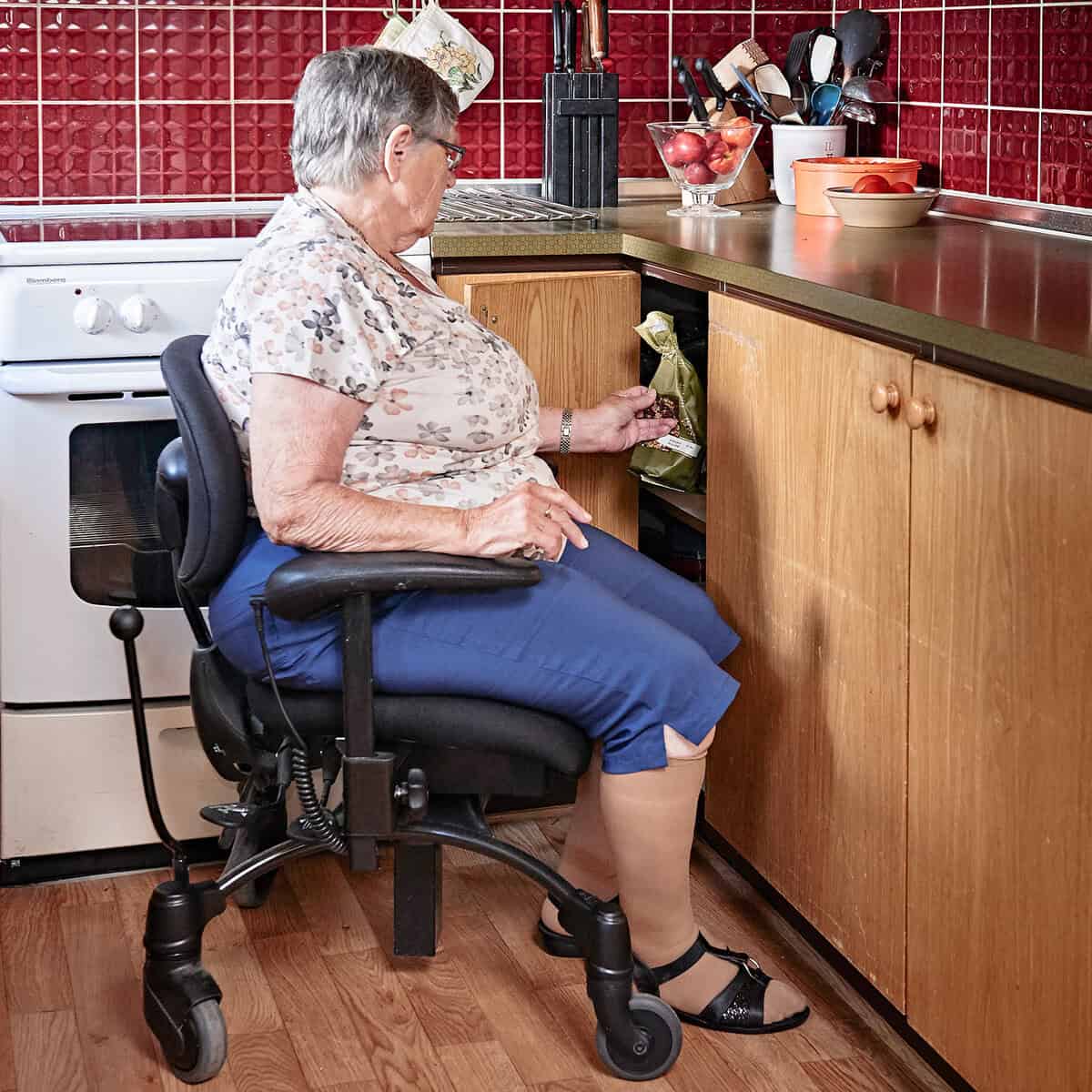
While nursing homes address significant medical and daily living challenges, many seniors prefer solutions that let them stay independent longer in their own homes. Addressing this with innovative tools can support seniors’ autonomy and comfort. One such solution is the VELA mobility chair, a medically approved aid designed for home use. VELA chairs enhance safety and movement while seated, providing valuable support for activities like cooking or dressing, and relieve some pressure from informal caregivers by maximizing the user’s freedom and comfort.
Cutting-Edge Assistive Technology and Inclusive Design
Recent years have seen rapid advancements in assistive technology, transforming both rest home and assisted living experiences. Innovations such as AI-powered smart wheelchairs—including LUCI add-ons for pressure monitoring and Robooter X40 models with app-based control and zero-turn radius—are now integrated into many facilities. Residents benefit from all-terrain robotic chairs, like the XSTO X12 for stair-climbing, and wheelchair attachments such as WheelMove, which offers a 25km range and quick installation on manual chairs Mobility Management, AbilityMT.
For residents with visual impairments, emerging devices like iSee smart glasses aid navigation, and SEERU devices increase traffic awareness for both wheelchair and low-vision users. In rehabilitation and support, AI-powered technologies now bridge spinal injuries to restore natural walking in trials, and adaptive e-bikes broaden outdoor access for more active seniors McKnight’s Home Care.
These technological advances not only make assisted living and rest home environments more inclusive and ergonomic but also support “aging in place,” allowing residents to maintain higher independence and reduce their reliance on constant staff supervision. Features like real-time health or pressure monitoring, fall prevention through instant device adjustments, and app integration simplify both resident and caregiver responsibilities Healthline.
Trends in inclusive design emphasize adaptability and comfort, with devices and home integrations tailored to individual needs and an increasing focus on universal usability across all levels of mobility and skill.
Integrated Digital Health and Policy Updates
Digital health integration is now standard in leading facilities and devices. Navigation aids such as MaaS-Bridge connect mobility-impaired users with autonomous transportation and enable accessible pick-up and drop-off points tailored for wheelchair users. These platforms help bridge the mobility gap facing seniors and facilitate engagement with the wider community Mobility Management. Health data is continuously monitored and transmitted to caregivers or clinicians, supporting rapid response to falls or changes in wellbeing, while also streamlining insurance, funding, and regulatory compliance. More facilities are adopting these solutions as new policies favor tech-enabled environments and insurance increasingly covers assistive technology upgrades American House.
AI-augmented technologies and inclusive design are now key differentiators for forward-looking care providers. Continuing Care Retirement Communities (CCRCs) that invest in on-campus tech amenities gain a competitive edge by helping residents maintain autonomy longer and delay transitions to higher levels of care.
User Adoption and Experience
User experiences remain a critical factor. Older adults and caregivers report enhanced usability, a greater sense of autonomy, and improved mobility, especially in assisted living environments that actively incorporate the latest assistive technologies. Tools like the Robooter X40, WheelMove attachments, and iSee glasses help expand access for those with a variety of needs. These solutions lower the risk of falls and enable a more active, engaging social life, reflecting positive shifts in both user satisfaction and outcomes AbilityMT, Healthline.
Choosing the Right Senior Care for Your Loved One
Deciding between a rest home and an assisted living facility involves assessing loved ones’ current and future needs, medical complexity, desired level of independence, and available financial resources. Assisted living is ideal for those who value independence and need moderate assistance, while nursing homes offer comprehensive care for more complex medical conditions.
As reinforced by industry experts: “For older adults who are mostly self-sufficient but need support for safety and enhanced socialization, assisted living is likely the best choice. For those with severe daily living challenges or chronic illnesses, consulting a healthcare professional is a prudent step.” This expert opinion is supported by A Place for Mom.
By understanding these key differences and considering leading-edge technology, families are better equipped to make thoughtful decisions that uphold the dignity, safety, and quality of life for their aging loved ones.
Supporting Aging in Place: A Practical Option
While VELA chairs are not the only option, they demonstrate a practical, proven approach for supporting aging in place, maintaining safety and everyday ease for seniors, while also reducing the burden on caregivers.
Sources
- A Place for Mom (2024-2025)
- Cedarbrook of Rochester (2024-2025)
- Village Walk Senior Living (2024-2025)
- WTOP (2025)
- VELA Chairs
- Mobility Management (2026)
- AbilityMT (2026)
- McKnight’s Home Care (2026)
- American House (2026)
- Healthline (2026)
- Keyway Medical: Innovations in mobility aids including AI-powered wheelchairs and robotic exoskeletons (2025)
- PMC (NIH): Recent trends in assistive technology focusing on improved user-technology integration in mobility devices (2025)
- WHO Fact Sheet: Assistive technology needs and policy updates for ageing populations (2025)
- Assistive Technology Outcomes and Benefits Journal (2025): Clinical guidelines, regulations, and outcomes in assistive tech use
- Ability MT Blog: Latest assistive tech tools and user adoption patterns among people with disabilities (2025)
- Digital Learning Institute: Role of AI in advancing assistive technology for mobility and independence (2025)
- Equal Accessibility LLC: Innovations in assistive technology for accessibility and rehabilitation (2025)