

Updated February 2026: We have updated the article with the latest trends from 2026, including the growing adoption of AI-enhanced assistive technologies such as smart glasses, haptic wearables, predictive text in communication aids, and sip-and-puff systems. The article now highlights the shift toward mainstream use and personalization of these innovations in assisted living and mobility solutions, reflecting current industry developments.
Updated October 2025: We have updated this article with the latest advancements in AI-powered assistive devices, wearable smart technologies, and inclusive, user-centered design practices that enhance independence and quality of life for seniors. New regulatory trends and real-world feedback have also been incorporated to reflect current best practices in assistive living and mobility solutions.
Rose Tree Assisted Living: A Guide to Quality Senior Care in Media, Pennsylvania
As families embark on the crucial journey of selecting quality assisted living options, Rose Tree Place in Media, Pennsylvania, emerges as a distinguished choice. Nestled in the tranquil suburbs of Philadelphia, this community uniquely blends compassionate care with engaging lifestyles set against a picturesque environment for seniors. According to A Place for Mom, Rose Tree Place is distinguished by its comprehensive care services and personalized care plans, earning it a reputation as a preferred choice in the area.
Discovering Rose Tree Place: A Home-Like Environment for Seniors
Rose Tree Place provides a setting residents compare to a “quaint Bed & Breakfast,” with its tree-lined walking paths and tranquil surroundings offering a peaceful retreat. This environment is deliberately crafted to balance support and independence, offering living options from personal care to memory care and short-term stays. “It’s like living in a peaceful retreat,” noted one resident, highlighting the profound impact of the environment on their daily lives.
Their commitment to providing personalized care is not only evident in their environment. According to Watermark Communities, the staff’s dedication to nurturing both body and mind creates a harmonious community atmosphere. Practical details such as customized meal plans tailored to dietary restrictions and preferences further demonstrate the community’s commitment to personalizing care.
Enhancing Daily Living: Amenities and Support at Rose Tree Place
At Rose Tree Place, seniors can choose from several accommodations, including one-bedroom apartments and semi-private suites, all equipped with essentials like full kitchens and ample storage to simulate a home-like atmosphere. The elegance of the community is further emphasized by amenities such as a marble lobby, fitness room, and spa facilities, all contributing to residents’ wellness and comfort daily.
Care services at Rose Tree Place cover a spectrum of needs. With 24-hour staff availability, medication management, and specialized memory care programs, the community supports comprehensive health needs. “The engaging activities help me maintain my cognitive function and keep my mind sharp,” shared one resident in the memory care program, underscoring the effectiveness of the initiatives present in maintaining cognitive health. This successful approach is echoed by residents and family members on Caring.com.
Affording Quality Care: Understanding the Costs at Rose Tree Place
Understanding the financial aspects of assisted living is crucial for families. At Rose Tree Place, monthly rates are structured to reflect the range of care provided and the luxurious accommodations available, with costs ranging from $1,295 to $10,646, depending on specific needs and preferences. As noted by Elderlife Financial, these rates offer a competitive value proposition compared to local averages.
One family’s journey to Rose Tree Place illustrates the importance of comprehensive financial planning in securing the right accommodations while staying within budget. Their experience accentuates how understanding and utilizing available financial options are vital steps in accessing high-quality care.
Promoting Independence: Mobility Solutions for Senior Living
In light of recent 2026 advancements, promoting independence now includes integrating innovative assistive technologies designed for daily support and autonomy. AI-powered wearable devices—such as smart glasses, predictive text in speech-generating communication tools, and haptic wearables—offer real-time navigation, communication aid, and safety alerts for seniors, supporting their independence and functional abilities within the community.[1][2][3][4][5][6][7] Sip-and-puff systems and expanded digital accessibility tools, increasingly seen at CES 2026 and in global assistive technology trends, are also becoming part of assisted living environments, especially for individuals with significant mobility impairments.[3][4][5][7] These recent solutions reflect a broader movement toward mainstream adoption and greater personalization, supporting individual needs and user preferences in daily life.
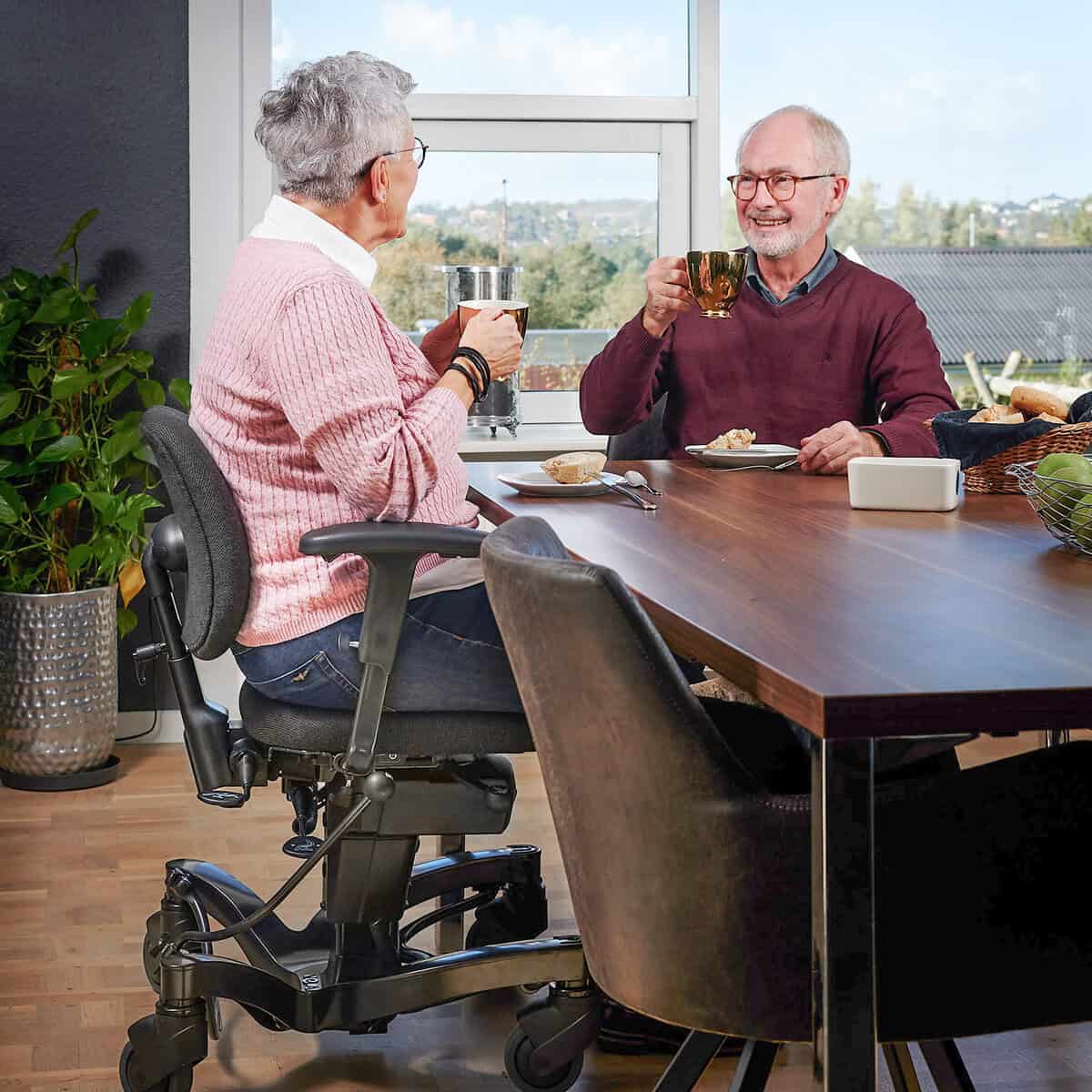
Seniors also benefit from solutions such as the VELA Independence Chair, a medically approved mobility chair designed to enhance safety and freedom while seated. Supportive seating solutions for home facilitate daily activities like cooking, dressing, or transferring, reducing the load on caregivers. By integrating these advanced options—including adaptive AI and user-centered designs—Rose Tree Place supports residents to remain active, engaged, and confident in their daily routines, in line with current industry trends.[1][6][7][9][3][4][5]
Exploring Alternatives to Nursing Homes
Modern alternatives to traditional nursing homes continue to expand as inclusive, technology-rich options become more widely available. Innovations like haptic wearables, portable computing aids, AR glasses, and AI-powered digital accessibility tools provide tailored rehabilitation and meaningful engagement for seniors, supporting cognitive health and new skill acquisition.[3][4][5][6][7]
In addition to VELA Chairs, newer AI-powered mobility aids, haptic feedback devices, sip-and-puff controls, and comprehensive AI assistants are increasingly being adopted in senior care communities. These solutions support tasks from navigation to communication, personal safety, and daily living—reflecting emphasis on user-driven design and positive, real-world results.[1][2][3][4][5][6][7][8][9] Devices like smart glasses and text-to-speech tools for accessibility now support not only education environments but also adult and geriatric care. Seniors using such modern assistive technologies experience greater freedom, safety, and dignity, allowing them to remain in their homes longer and delay institutional care. A focus on inclusive technology and best-practice standards ensures elevated outcomes in both care delivery and resident autonomy.
- ThinkBeyondTheChair – “The Best Assistive Tech Gadgets in 2025: Enhancing Independence” https://thinkbeyondthechair.org/the-best-assistive-tech-gadgets-in-2025-enhancing-independence-through-innovation/
- LetsEnvision – “The Future of Assistive Technology & AI Assistants in 2025” https://www.letsenvision.com/blog/future-assistive-technology
- LevelAccess – “AI and Assistive Tech: Key Advancements in Accessibility” https://www.levelaccess.com/blog/ai-and-assistive-tech-key-advancements-in-accessibility/
- Innocaption – “Top 5 Assistive Technologies Showcased at CSUN 2025” https://www.innocaption.com/recentnews/top-5-assistive-technologies-csun-2025
- First Aid for the Blind – Assistive Technology August 2025 Update, including Meta Ray-Ban Smart Glasses with Live AI https://www.faftb.com/post/assistive-technology-roundup-august-2025-update
- Journal of Visual Impairment & Blindness special issue call on assistive technology innovations (publishing late 2025) https://afb.org/news-publications/publications/jvib/authors/calls-papers/2025-special-issue-technology
- Sen Teachers Training Blog – “Assistive Tech Trends in 2026 Every Special Needs Teacher Should Know” https://www.senteacherstraining.com/blog/2414-Assistive-Tech-Trends-in-2026-Every-Special-Needs-Teacher-Should
- CTA / CES Tech Accessibility page – “Creating a More Accessible World through AI assistants and smart home devices” https://www.ces.tech/topics/accessibility/
- Assistive Technology Industry Association (ATIA) – Industry standards and innovation updates https://www.atia.org
- CES 2026 Highlights: Accessibility Meets Innovation (YouTube podcast on HP keyboard computer, haptic wearables, AR glasses, Braille printers) https://www.youtube.com/watch?v=VEab65v5DG0
- AI Assistive Technology Improves Inclusion in K–12 Environments (EdTech Magazine on AI-enhanced speech devices, predictive text) https://edtechmagazine.com/k12/article/2026/01/ai-assistive-technology-improves-inclusion-k-12-environments-perfcon
- Ten technologies from CES 2026 (AgeInPlaceTech on rehab exercise AI like MORA) https://www.ageinplacetech.com/blog/ten-technologies-ces-2026