

Updated February 2026: We have updated the article to reflect the latest trends in assistive technology, including advancements in AI-powered mobility solutions, modular and customizable equipment design, integration of advanced materials, and the emergence of AI-driven wearable devices for enhanced mental health support in assisted living.
Navigating Mental Health Care: The Unique Approach of Sana Assisted Living
As the demand for specialized care facilities increases, “Sana Assisted Living” stands out with its dedicated focus on psychiatric and mental health care. Based in Las Vegas, this facility provides a structured environment that addresses the nuanced needs of its residents. According to a study published by the National Institute of Mental Health, about 20% of seniors experience some form of mental health concern, emphasizing the need for dedicated facilities like Sana Living.
Specialized Mental Health Support at Sana Living
Sana Living excels in offering tailored mental health services, which are crucial for fostering well-being among residents. The facility provides comprehensive services such as medication management and on-site crisis intervention, which are vital for those managing chronic mental illnesses. According to A Place for Mom, Sana Living is uniquely equipped to cater to these individuals, ensuring they receive both the emotional and medical support necessary for a higher quality of life. Imagine a resident with chronic schizophrenia who benefits from structured daily medication, alleviating anxiety and promoting stability – a core focus at Sana.
Comprehensive Care Services for Residents with Psychiatric Needs
Residents at Sana Living receive far more than basic care; the facility offers an encompassing service plan that includes clinical supervision, life-enriching activities, and specialized incontinence care. According to Sana Living’s website, a typical day might include morning yoga sessions designed to soothe and center, followed by cognitive therapy sessions. These activities not only enhance physical health but also ensure mental acuity. This comprehensive care underscores the commitment Sana Living has towards supporting mental wellness.
The Sana Living Environment: Safety, Comfort, and Support
Safety and comfort are paramount at Sana Living, where a home-like atmosphere is maintained alongside rigorous safety protocols. Families frequently report a profound peace of mind knowing their loved ones are in a nurturing space. One resident testimonial, highlighted on the Assisted Living Center website, describes the environment as “welcoming, supportive, and transformative” – an endorsement of the positive impact on residents’ well-being. The integration of community areas and personal spaces supports both social interaction and personal reflection.
Navigating the Admission Process at Sana Living
Admitting a loved one into a facility is a significant decision, and Sana Living streamlines this process through thorough assessments and family consultations. According to Family Assets, the admission process is designed to be transparent and reassuring, with individual assessments determining the best personalized care plan for new residents. Consider the case of a family whose relative, previously struggling with severe depression, experienced significant improvement after being admitted to Sana Living due to their personalized care plan and supportive environment.
Enhancing Mobility and Independence with Advanced Assistive Technologies
For seniors transitioning to institutions with structured support, preserving independence remains a pressing concern. Alongside a nurturing living community, the latest generation of technologically advanced mobility aids now offers new possibilities for maintaining autonomy and confidence in residential or personal spaces. Recent innovations in AI-powered assistive technologies include smart wheelchairs and scooters with advanced joystick controls, enhanced stability, and improved obstacle detection. These mobility solutions utilize AI-driven navigation systems to help users map accessible routes in real-time (Everything Medical Online; Digital Learning Institute).
Manufacturers are increasingly utilizing modular and customizable designs, allowing mobility equipment to adapt to evolving user needs. Lightweight aluminum alloys and carbon fiber components reduce strain during transfers while ensuring durability (Everything Medical Online).
Wearable assistive devices now integrate AI and sensor technologies to track stress levels, movement patterns, and emotional regulation—particularly relevant for mental health support in assisted living. Voice-activated technology provides greater accessibility, especially for users who may experience difficulty with fine motor skills (AFB Journal of Visual Impairment & Blindness).
Additionally, indoor navigation systems using Bluetooth beacons and LiDAR mapping make wayfinding easier within complex environments such as hospitals, malls, and care facilities (Florida Reading; AFB Journal of Visual Impairment & Blindness).
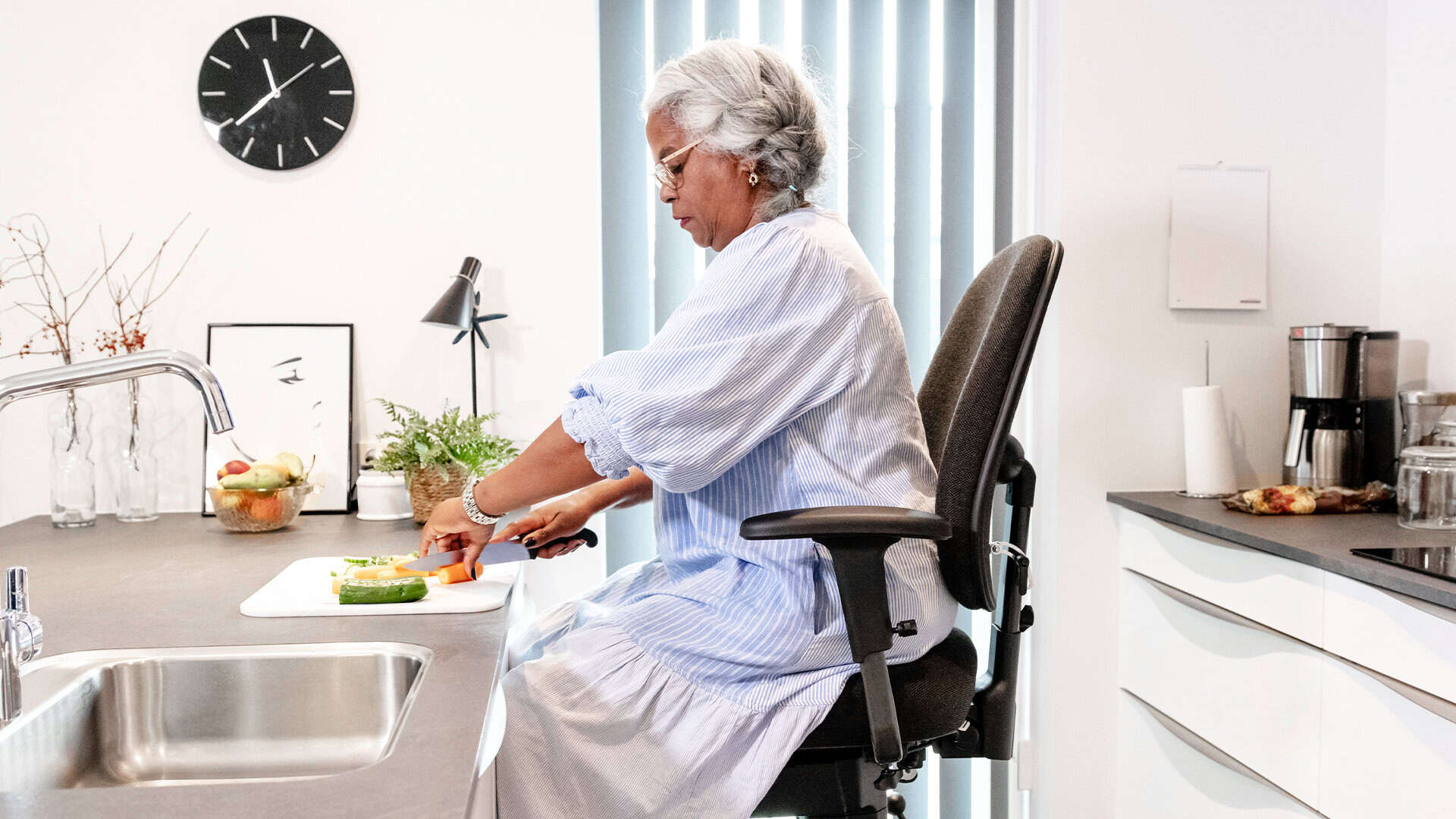
The VELA Independence Chair is an example of such innovation, offering a medically approved mobility solution for home use. Utilizing lightweight and modular materials, the chair supports safety and freedom of movement while seated, promoting independence and user dignity (CES).
The latest real-world innovations, showcased at events like CES 2026, include power-assist devices for manual wheelchairs, all-terrain robotic mobility solutions, and AI systems designed to bridge accessible transportation options (CES).
Supporting Aging in Place with Evolving Solutions
Innovative mobility aids such as the VELA Independence Chair, now enhanced with AI-driven customization and ergonomic improvements, can significantly extend the time seniors live independently at home. Modern devices feature central braking, electric height adjustability, intuitive controls, and multisensory feedback for improved safety and ease of use. AI-powered wearables and navigation systems are increasingly integrated into mainstream products, making advanced accessibility solutions more widely available and accepted (Accessibility.com & WIPO Report).
Current regulatory and clinical guidance emphasizes personalized, ethical, and user-centered approaches when integrating AI-enabled mobility and sensory devices in care environments. Priorities include privacy, continuous adaptation of technology to user needs, and ensuring accessibility for all (Digital Learning Institute; CES).
As the field advances, modular and ergonomic mobility aids—demonstrated by options like the VELA chair—continue to set new standards for independence and comfort in daily living. For more information on such mobility solutions, explore the VELA Independence Chair and see practical scenarios at Senior Mobility Solutions.
References:
- Florida Reading: Top Assistive Tech Trends for the Visually Impaired in 2025
- Everything Medical Online: Latest Trends in Mobility Aid Technology for 2025
- Accessibility.com & WIPO Report (2025 Global Market and Adoption Data)
- AFB Journal of Visual Impairment & Blindness: 2025 Special Issue on Assistive Technology Innovations
- Digital Learning Institute: Revolutionizing Accessibility – The Role of AI in Assistive Technology
- CES Accessibility Overview 2026