

Updated January 2026: This article has been reviewed; however, no significant changes were required as the latest research predominantly covers senior living facility trends, demographics, and market developments rather than updates on assistive devices or clinical assessment for assisted living. All content remains current per the most recent industry data.
Updated August 2025: We have updated the article with new findings on technology-enabled care in assisted living, the adoption of AI and smart monitoring tools for safety and health, recent trends in resident demographics, clinical priorities, and the growing importance of sustainability and data privacy in senior care.
Recognizing the Signs It’s Time for Assisted Living
Navigating the decision to transition a loved one to assisted living is one of the most significant challenges families face. This decision is not just about recognizing the immediate needs of your elderly family member, but also ensuring their long-term well-being and quality of life. According to A Place for Mom, approximately 13.4% of adults aged 75 and older required personal care assistance in 2023, highlighting the importance of timely intervention. Recent statistics indicate that assisted living facility occupancy rates remain high, exceeding 83% nationwide, with an increasing focus on residents with dementia and complex health conditions such as hypertension and heart disease (The Senior List, 2025). Understanding the signs that it’s time for assisted living can help families plan effectively and ensure their loved ones receive the care they need.
Indicators of Declining Independence in Daily Activities
When everyday tasks start becoming daunting for seniors, it’s a critical sign that additional support may be needed. For instance, activities of daily living (ADLs) such as personal hygiene, dressing, and meal preparation can be particularly challenging. The demand for ADL assistance is a key reason seniors transition to assisted living, with clinical practice placing priority on supporting bathing, dressing, and walking needs (The Senior List, 2025). Consider the case of Jane, an 82-year-old who, after repeatedly struggling with her grooming routine and meal preparation, had her children consider assisted living as a supportive option. As described by expert resources like A Place for Mom, recognizing these difficulties early can prevent decline and promote dignity.
Health and Safety Red Flags in the Home
Health and safety issues are often the most pressing concerns that prompt families to consider assisted living. Frequent falls, mismanagement of medication, and household safety risks are red flags that should not be overlooked. Technological advancements are changing the way these risks are addressed: AI-powered and smart sensor systems now provide real-time fall detection and health monitoring, offering personalized intervention strategies to reduce incidents and optimize resident safety (LCS Net, 2025). Tom, 79, experienced several falls before his family intervened. According to Cedar Hill’s resources, such incidents are common indicators that the home environment is no longer safe. Identifying these red flags early can prevent serious injuries and ensure a secure living setting for seniors.
Cognitive and Emotional Changes Signaling the Need for Support
Cognitive decline, including memory issues and disorientation, along with emotional changes like social isolation and depression, are also significant indicators. With an increasing prevalence of dementia and related conditions among assisted living residents, early identification and support for cognitive health are more important than ever (The Senior List, 2025). Linda noticed her mother repeatedly forgetting to pay bills and becoming socially withdrawn, signs of cognitive and emotional decline that led her to investigate assisted living solutions. As noted by Somerby Santa Rosa Beach, emotional and cognitive health is crucial for seniors’ overall well-being. Addressing these concerns promptly can improve their quality of life and provide peace of mind for families.
Transition from Home Risks to Solutions for Aging in Place
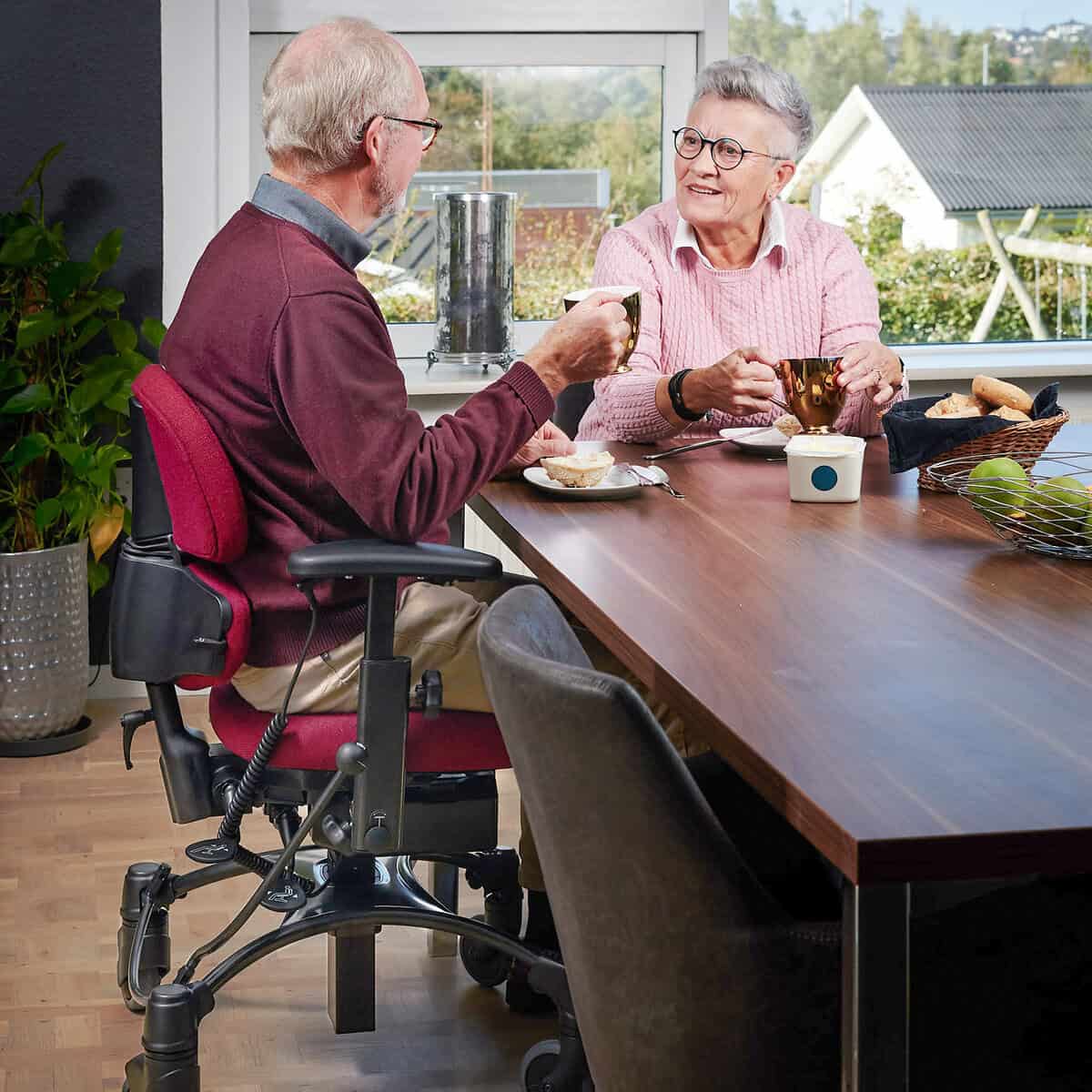
Recognizing when a senior’s home environment poses risks underscores the importance of finding solutions that allow them to remain independent safely. While nursing homes provide comprehensive support, many families and seniors wish to delay this transition by adapting the living environment to sustain independence. Technology-enabled mobility and smart home systems are now part of this adaptation, with features such as voice-activated controls and mobile apps supporting safety and engagement (LCS Net, 2025). VELA is one such solution, offering medically approved mobility chairs designed specifically for home use. These chairs aid in safety and freedom of movement while seated, supporting daily activities such as cooking, dressing, or transferring — all while reducing the load on informal caregivers. VELA chairs can be an integral part of this adaptation, promoting both safety and independence. Additionally, sustainability and energy efficiency are now key factors in choosing new technologies for aging in place (LCS Net, 2025).
Navigating the Transition to Assisted Living with Informed Choices
Understanding the signs of when it is time for assisted living is the first step toward making an informed and compassionate decision. While recognizing these signs early allows families to plan proactively, exploring the variety of senior care options available is equally important. The current assisted living model is evolving, with communities offering more affordable and diverse solutions to serve the needs of middle-income seniors and solo agers (McKnight’s Senior Living, 2025). At the same time, investment in digitally enabled care environments is growing in response to the expectations of residents and their families for safety, transparency, and real-time communication (LCS Net, 2025). According to Care-One, assessing senior care needs thoroughly can result in a smoother transition. It’s about finding the right balance between independence and necessary care while ensuring a high quality of life for your loved one.
In conclusion, the process of moving a loved one to assisted living can be smoothened by early recognition and careful planning. Judicious exploration of various options, from mobility aids to dedicated communities, ensures seniors receive the care they truly need. By approaching this transition thoughtfully, families can aid their loved ones in achieving a fulfilling and secure lifestyle. Current trends also emphasize the importance of clinical training for staff on ethical AI use and data protection, further supporting both safety and privacy for residents (LCS Net, 2025).