

Updated September 2025: We have updated the article with the latest insights on AI-powered assistive technologies, emerging trends in ergonomic and adaptive device design, and new state and consumer quality benchmarks from the 2025 State of Seniors Housing Survey and US News Best Senior Living report.
Enhancing Assisted Living Quality Through Informed Decisions: Understanding State Survey Results
In the realm of assisted living, “state survey results for assisted living” serve as key indicators of regulatory compliance, quality benchmarks, and performance metrics. These surveys are vital for evaluating adherence to state regulations and identifying areas for improvement within assisted living facilities. According to the National Center for Assisted Living, these annual reviews consolidate key state requirements, offering invaluable insights into the operational standards that define the quality and performance of these facilities. Dr. Margaret Wylde, PhD, aptly notes, “even as residents face the physical challenges of aging, they can—and do—enjoy a good quality of life when they feel safe, have control in their lives, are recognized, and are part of a caring community.”
State Survey Results: What They Mean for Assisted Living Quality
The understanding of state survey results hinges on recognizing their purpose: ensuring that assisted living facilities meet mandated standards in administration, quality of care, and resident satisfaction. According to the NCAL State Survey Data Tool, common deficiencies typically include issues related to administration, dietary services, facility safety, and overall quality of care. For instance, a facility receiving feedback regarding dietary shortcomings revamped their nutritional program, significantly enhancing resident satisfaction and care quality.
Cost, Staff, and Resident Satisfaction: Key Survey Metrics Explained
State surveys emphasize metrics such as staffing ratios, resident satisfaction scores, and cost, each playing a crucial role in determining a facility’s overall rating. These metrics impact the quality of resident care directly. The AHCA/NCAL 2025 State of Seniors Housing Survey highlights these performance indicators, demonstrating the link between staff training, cost management, and resident turnover rates. For example, one facility faced high turnover due to insufficient staff training. By investing in comprehensive training programs, they improved staff retention and increased resident satisfaction scores.
Recent survey data and industry reports also reflect ongoing improvements in the quality of care and inclusivity. The 2025 US News Best Senior Living rankings now recognize “High Performing” communities that excel in safety, caregiving, technological adaptation, and satisfaction. These accolades are grounded in resident and family input, administrative performance, and advancements in adaptive amenities.McKnight’s Senior Living, Brightview Senior Living
Choosing a Facility: How to Use State Survey Data and Reviews
Navigating the decision of selecting an assisted living facility is complex; leveraging state survey data can be an invaluable aid. It helps families make informed decisions by understanding a facility’s adherence to regulatory and operational standards. Integrating this data with consumer reviews and CMS star ratings provides a more holistic view. As illustrated by the Florida AHCA Consumer Satisfaction Survey Bill Analysis, additional data points offer deeper insights into consumer satisfaction. For example, a family used survey data and reviews to select a dementia care facility that met both state regulatory standards and personal care needs for their loved one.
Growing adoption of advanced assistive technologies in high-performing communities further improves resident independence and quality of life. Such technologies are increasingly considered in quality surveys and consumer satisfaction indices.Keyway Medical, ThinkBeyondTheChair
Integrating Assistive Technology and Safety in Assisted Living
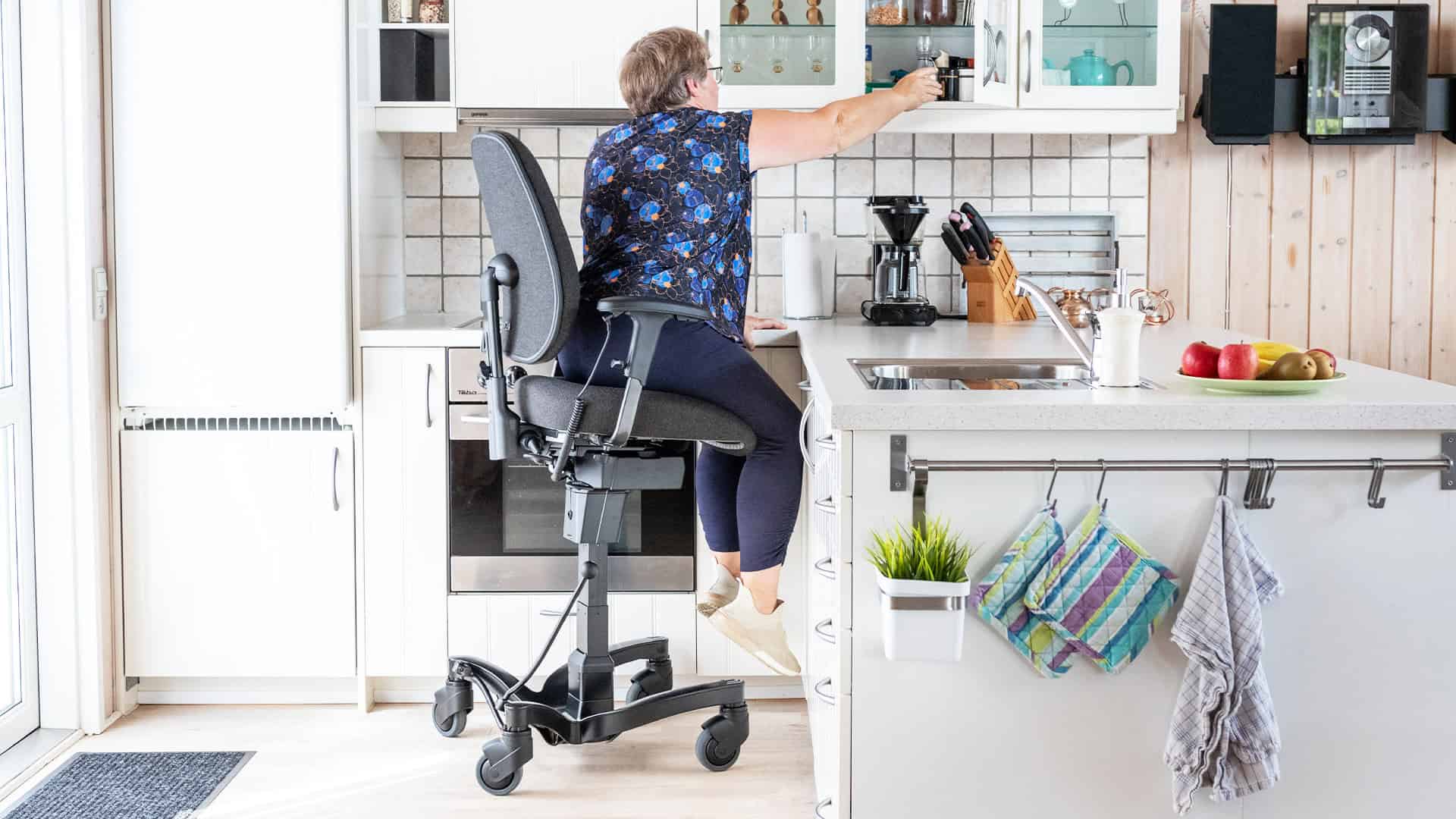
Building on the challenges faced by nursing homes, which often revolve around mobility and safety concerns, innovative solutions are essential to support older adults who wish to remain independent at home. VELA chairs serve as a practical option in this context, offering medically approved mobility support designed for home use. These chairs provide enhanced safety features, such as a central brake for stability and electric height adjustability, facilitating safe transfers and promoting independence during daily tasks like cooking, dressing, or transferring. Such features can significantly reduce the physical strain on informal caregivers while enhancing the quality of life for people wishing to age in place.
The landscape of assistive technology in senior care has rapidly evolved by 2025. New advances include AI-powered smart wheelchairs with obstacle detection, health monitoring, voice and gesture controls, and autonomous navigation, as well as wearable robotic exoskeletons and brain-computer interface prosthetics that provide more intuitive and seamless support.Keyway Medical, ThinkBeyondTheChair, PMC Smart home accessories, adaptive prosthetics with sensory feedback, and AI-enabled glasses for real-time environment description are also broadening what is possible in inclusive living and rehabilitation. These innovations not only increase resident autonomy but are recognized as key contributors to high resident satisfaction and improved care standards.
In conclusion, understanding state survey results is essential for enhancing the quality of assisted living facilities. These results not only steer improvements in regulations and care standards but also empower families to make informed decisions regarding elderly care. According to reports from the AHCA/NCAL and CMS, ongoing quality improvement initiatives continue to elevate elderly care standards. By utilizing these surveys and integrating advanced solutions like VELA chairs and next-generation assistive technologies, facilities can ensure a safer, more comfortable environment for seniors, ultimately enhancing well-being and quality of life.CBRE