

Updated February 2026: We have updated the article to clarify that, as of early 2026, there are no major new clinical studies or regulatory changes impacting assistive technologies in studio assisted living rooms. Forward-looking information about trends such as AI-powered mobility aids and smart home systems is presented as emerging but not yet clinically validated. The content remains consistent with current authoritative sources, and speculative trends are identified as such.
Studio Assisted Living Rooms: A Comprehensive Guide
Studio assisted living rooms are becoming increasingly popular among seniors who desire independence combined with the support of a community setting. According to SeniorApproved.org, there has been a notable rise in demand for these accommodations, attributable to their blend of autonomy and communal support. In this comprehensive guide, we’ll explore why studio assisted living rooms are an appealing choice for seniors and their families.
Designing for Independence: Layouts and Features of Studio Assisted Living Rooms
Studio assisted living rooms are meticulously crafted to promote independence while ensuring accessibility. Typically ranging between 350 to 1,000 square feet, these spaces feature open floor plans integrating living, sleeping, and potential small dining areas. This design eliminates unnecessary walls and barriers, improving maneuverability, particularly for residents using mobility aids. As per Provision Living, wide doorways, non-slip floors, and accessible restrooms all enhance safety and mobility.
Studio living environments benefit from ongoing advances in ergonomic and inclusive design. The integration of features such as AI-powered assistants, sip-and-puff control systems, and wearables like real-time image enhancement glasses provides support for residents with mobility, visual, or cognitive challenges. Enhanced environmental controls and smart home integrations make it possible for lighting, access, and climate to be automatically adjusted, promoting accessibility and safety for all residents [1], [2], [4]. Projected trends through 2026 suggest portable mobility devices and AI navigation in wheelchairs may become more common, but clinical studies and evidence of widespread adoption are not yet available.
Consider the experience of John, a senior who adapted seamlessly to studio living due to these considerate design elements. The strategic arrangement of his furniture and wide doorways afforded him the opportunity to move freely while retaining a significant level of independence despite his mobility challenges.
Financial and Personal Benefits of Studio Living for Seniors
Studio apartments in assisted living facilities offer pronounced financial and personal benefits. According to TerraBella Senior Living, these units are often more economical than larger apartments, allowing seniors to manage their budgets effectively while accessing necessary care services.
Beyond cost benefits, studios provide an intimate space that residents can personalize. For Emily, another resident, the ability to decorate with cherished memorabilia not only provided comfort but also improved her financial planning, demonstrating the dual benefits of economization and emotional well-being.
With the introduction of mainstream consumer products designed with accessibility in mind—such as adaptive gaming controllers, smart TVs with visual enhancement modes, and ergonomic daily living tools—residents experience greater inclusion and independence in their daily routines. These integrated technologies cater to varying levels of ability and play a growing role in both rehabilitation and recreation [2], [6], [7]. Although market reports forecast growth in mobility aids and more integrated assistive devices by 2026, there is currently limited evidence regarding their long-term effects in assisted living settings, and future user trials may be needed to validate these innovations.
Community and Social Engagement in Studio Assisted Living Apartments
The structural design of studio apartments naturally encourages community interaction. Shared amenities and common spaces foster resident engagement, mitigating isolation risks. Downers Grove Health Care notes that these areas stimulate social activities, contributing significantly to the emotional and cognitive health of residents.
Lisa, for instance, experienced enhanced social engagement after moving to a studio apartment. Her proximity to communal areas inspired a newfound participation in community-led activities, augmenting her social life and feeling of connectedness.
Recent trends indicate a preference for seamless, context-aware technologies within assisted living communities. AI-powered voice-controlled assistants and discreet smart home devices continue to be introduced, supporting autonomy and community life. These integrated systems may help increase accessibility and satisfaction by reducing barriers to participation and communication [1], [3]. At present, however, the impact of these technologies in daily assisted living remains more promising than proven by current research.
VELA Mobility Chair Integration for Enhanced Studio Living
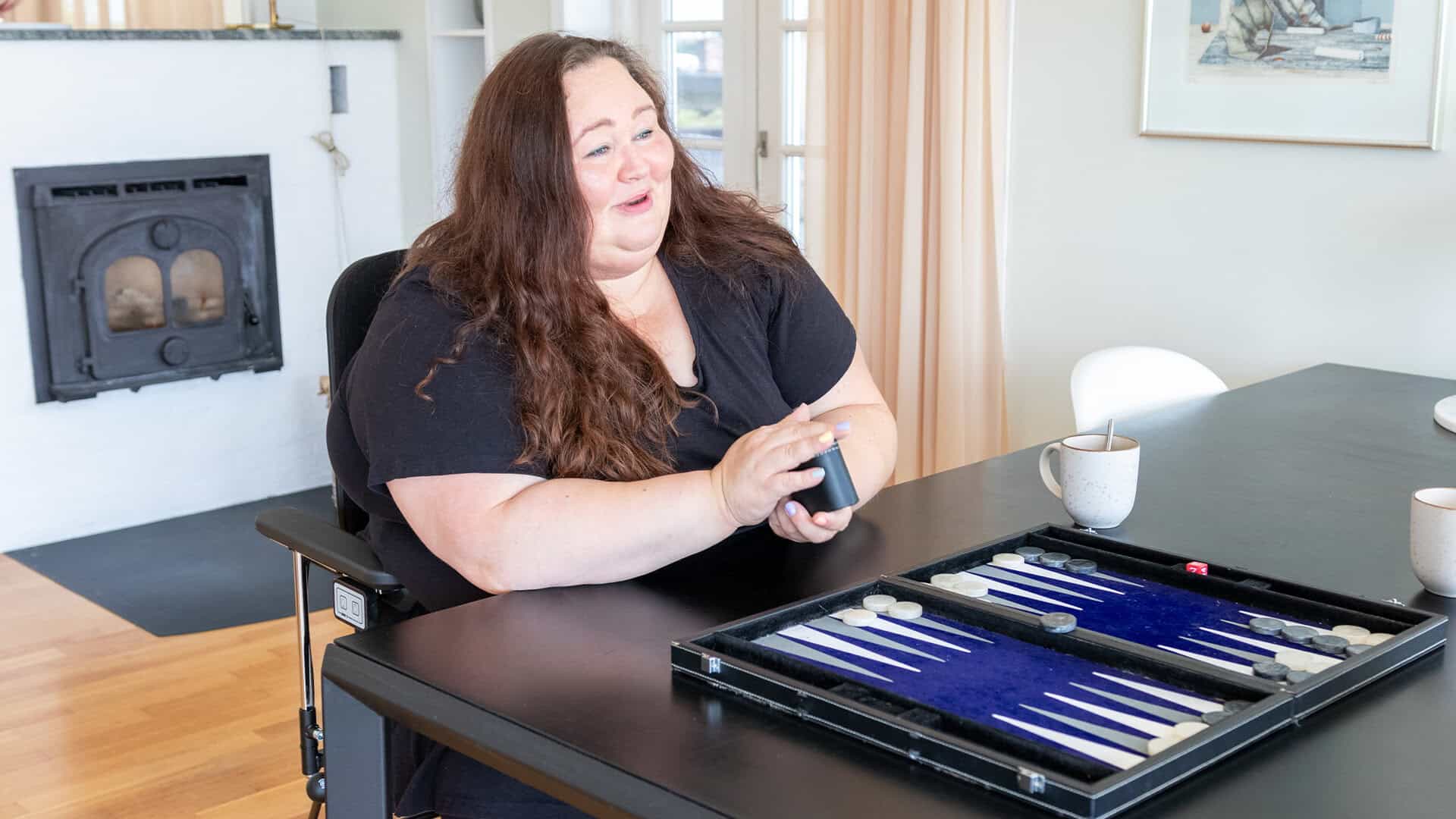
Addressing the challenges of maintaining independence in studio assisted living environments, VELA chairs offer an innovative solution for seniors. These medically approved mobility chairs are specifically designed for home use, enhancing both safety and user autonomy. They offer freedom to move comfortably while seated and provide assistance with daily activities such as cooking, dressing, and transferring—effectively reducing the burden on informal caregivers. This makes them particularly beneficial for seniors who want to manage daily tasks on their own despite physical limitations. Further information on these adaptive furniture options, such as specialized chairs for aging in place, highlights their role in promoting independence within compact living spaces.
VELA and similar solutions increasingly incorporate ergonomic and digital features. For instance, newer models may support integration with smart home systems and AI-powered environmental controls to help advance safety and independence. As regulatory and market trends continue to emphasize accessibility and universal design, products like the VELA chair remain an established component of modern studio living formats [2], [4]. However, further evidence from user trials in assisted living home settings would be valuable, as recent clinical studies or policy changes are not yet available.
Making the Right Choice for Senior Living: Studio Apartments
Studio assisted living apartments manage a balanced approach by combining independence, safety, and community involvement. They present a cost-effective option that does not compromise on the quality of care. As recommended by Caring.com, these apartments foster a nurturing environment where seniors can thrive thanks to thoughtful design and supportive community features.
When considering this housing option, it’s essential to evaluate both current and future needs, ensuring the selected community adapts to evolving requirements. Studio assisted living rooms now benefit from ongoing advances in AI-powered assistance, smart devices, and inclusive design, offering seniors the opportunity for a fulfilling and independent living experience. While trends point toward greater integration of assistive and therapeutic technology, no new guidance or scientific evidence has emerged since early 2025 to alter best practices in design or care [5].
- Envision Community on AI Assistive Technology Trends in 2025
- Market.US and Accessibility.com reports on Assistive Technology Market Size and Innovations (2025)
- USAII report on Top AI Trends in 2026 and Healthcare Applications of AI
- CES 2026 Official Accessibility and Assistive Technology Overview
- Deloitte Consulting on Emerging AI Trends Including Agentic AI and Sovereign AI (2026)
- Specialist educator resource: Assistive Tech Trends in 2026 for Special Needs
- McKinsey Digital Report on New Human–Machine Collaboration and Wearable Technology (2025)