

Updated September 2025: We have updated the article to reflect the latest advancements in AI-driven technologies, wearable assistive devices, virtual reality, robotics, and tele-rehabilitation for TBI care. The article now also highlights new trends toward ergonomic and customizable equipment, multidisciplinary care, and updated clinical and ethical guidelines regarding technology integration in TBI assisted living.
Enhancing Lives Through Specialized TBI Assisted Living
The need for specialized care in traumatic brain injury (TBI) assisted living settings has grown significantly due to the increasing incidence of TBI among adults and the aging population. These facilities are distinguished by their tailored approach to care, addressing complex requirements that go beyond those met by conventional assisted living settings. According to the Veterans Health Administration, the AL-TBI pilot program is designed to offer specialized residential care and rehabilitation, significantly enhancing rehabilitation outcomes and quality of life for veterans with TBI.
What Defines TBI Assisted Living and Who Benefits?
TBI assisted living facilities offer a comprehensive array of services including medical supervision, physical therapy, and cognitive rehabilitation, as outlined by Progressions Rehabilitation. These services are customized to meet the unique needs of each resident. For instance, Sarah, a resident who suffered a mild TBI, benefits from a tailored cognitive rehabilitation program that has helped her regain a significant level of independence and improve her overall quality of life. Admission to these facilities is based on clinical eligibility, ensuring individualized care plans that address each resident’s specific needs.
In recent years, TBI assisted living has increasingly integrated advanced AI-driven technologies and wearable assistive devices, enabling more personalized assessments, continuous monitoring, and adaptive therapy. AI applications now support diagnosis, predictive analytics for rehabilitation outcomes, and real-time data tracking during therapy, all contributing to the creation of individualized care plans that respond dynamically to each resident’s progress and changing needs. Rehabilitation now often incorporates virtual reality (VR) and robotic systems, offering immersive exercises that target improvements in both motor skills and cognitive functions, while supporting emotional well-being[1][6].
Navigating Financial Options for TBI Assisted Living
Accessing TBI assisted living can be financially challenging; however, several options help alleviate this burden. For example, the Minnesota Department of Human Services provides a Traumatic Brain Injury (TBI) Waiver that enables eligible individuals to receive community-based services rather than enter traditional nursing facilities. Medicaid, VA benefits, and state programs provide crucial financial support. Consider the Martinez family, who successfully utilized a TBI waiver to transition their son to a specialized facility, allowing him to receive comprehensive care without financial stress.
Essential Qualities of Top TBI Assisted Living Facilities
Facilities that excel in TBI care are characterized by their commitment to safety, comprehensive rehabilitation services, and highly trained staff. The New York State Codes, Rules and Regulations emphasize the need for facilities to implement care services that adhere to TBI-specific standards. Safety measures are critical to fostering an environment that supports ongoing rehabilitation and community integration. Notably, the Northeast Center for Rehabilitation and Brain Injury showcases these values through high-quality care and recognition for its dedicated staff and innovative programs.
Cutting-edge TBI-assisted living facilities are adopting a multidisciplinary, patient-centered approach that combines traditional therapies with technologies such as AI, robotics, and VR. This approach is now encouraged by updated clinical and regulatory guidelines, which also call for routine outcome assessments, long-term follow-up, and attention to psychosocial aspects[6]. Inclusive and ergonomic design features, including customizable assistive devices, ensure that equipment adapts to a diverse range of user needs, supporting both safety and comfort in daily routines. Ethical considerations—such as data privacy and equitable access to technology—are also a growing focus in facility management and care planning[3].
Empowering TBI Residents with Adaptive Equipment
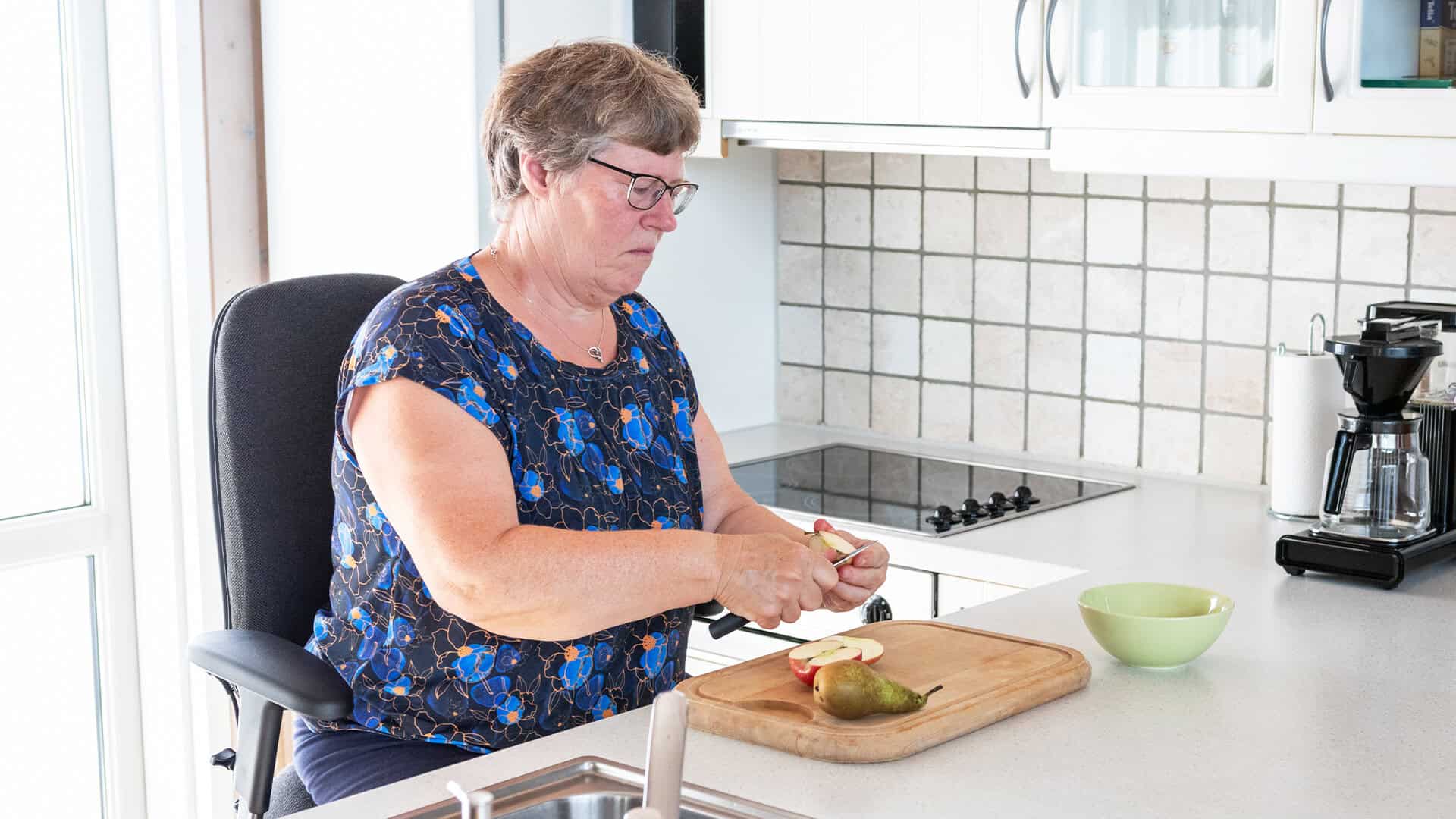
Adaptive equipment plays a vital role in enhancing the independence and safety of TBI residents. A prime example is the VELA chair, which is celebrated for its stability and ergonomic support, helping residents perform daily tasks while minimizing fall risks—an essential feature in TBI care settings. Testimonials from users indicate that VELA chairs significantly improve mobility and quality of life, offering the necessary support for independent living.
The latest assistive solutions include AI-powered exoskeletons, highly adaptive wearable sensors, brain-computer interfaces (BCIs), and smart monitoring systems. These advancements enhance mobility, communication, and personal safety, and increasingly offer customizable, ergonomic features that can be adapted for individual needs[1][3][2]. Despite significant progress, challenges related to device weight, affordability, and complexity remain. Nevertheless, these adaptive and wearable devices—along with tele-rehabilitation programs—have expanded access to remote monitoring and personalized therapy, especially for those in underserved communities[5].
To transition from the traditional challenges of nursing homes, adaptive solutions that allow older adults to remain independent at home are becoming increasingly important. One such solution is the VELA mobility chair, a medically approved device conceived for home use. It enhances safety, offers freedom of movement while seated, and supports daily activities like cooking, dressing, or transferring—all while easing the burden on informal caregivers.
Explore Mobility Solutions for Assisted Living for further insights into enhancing independence for TBI residents.
In conclusion, TBI assisted living is indispensable for providing specialized care that meets the unique needs of TBI patients, substantially improving their rehabilitation outcomes and quality of life. Financial support and adaptive tools, like the VELA chair, ensure that these individuals can maintain dignified, independent lifestyles. As highlighted by Progressions Rehabilitation, recovery from TBI is a lifelong journey requiring continuous care and adaptive plans that evolve to meet the changing needs of residents. The integration of AI, robotics, and advanced wearable technologies further strengthens the capacity for personalized rehabilitation and ongoing independence[7].
Supporting Aging in Place: A Practical Option
Mobility solutions, like the VELA chair, are instrumental in helping people maintain independence longer within their homes, thereby potentially delaying the necessity for a nursing home. Features such as a central brake for added safety, electric height adjustability, and ease of maneuverability while seated address common challenges faced by those with mobility limitations. This functionality allows individuals to safely engage in everyday activities like cooking or cleaning, ensuring dignity, freedom, and energy savings. Though the VELA chair is not the sole solution available, it stands out as a proven, practical choice for enhancing quality of life at home. Senior Mobility Support further illustrates how such innovations underpin independent living by reducing caregiver strain and enhancing personal safety.
References
- PMC Article on AI and TBI Rehabilitation: Overview of AI-enhanced diagnostics, prognosis, and AI-driven rehabilitative technologies including exoskeletons and VR systems [PMC 2025].
- Centre for Neuro Skills on Assistive Technology: Updated assistive communications tools, robotics, and smart home integrations for brain injury [NeuroSkills 2025].
- PMC Article on Assistive Technologies in Neurology: Discussion on BCIs, robotics, and adaptive AI-driven solutions with ethical and usability considerations [PMC Neurology 2025].
- Brain Injury Center Blog on AI-powered Rehabilitation: Insights on AI-enabled personalized therapy plans, real-time monitoring, and predictive analytics [Brain Injury Center 2025].
- Frontiers in Neurology (2025 Review): Comprehensive review of multidisciplinary TBI rehabilitation including AI, VR, robotics, and patient-centered care models [Frontiers Neurol. 2025].
- Kessler Foundation on VR for TBI Rehab: Research highlighting practical VR applications and novel neural engineering tools improving motor and cognitive recovery [Kessler Foundation 2025].