

Updated February 2026: We have updated the article with major advancements in assistive technology unveiled at CES 2026, including AI-powered predictive health monitoring, edge AI for safety, smart wheelchairs with autonomous navigation, and VR-based therapy for dementia. The discussion now includes the latest trends in proactive, personalized care, regulatory shifts promoting inclusive mobility, and the integration of smart home systems to support independence and aging in place.
The Assisted Living Community Bill: Navigating New Legislative Terrain
Navigating the future of assisted living in the United States requires understanding key legislative changes that influence the care and quality of life for seniors. These changes are particularly important as the aging population continues to grow, presenting unique challenges and opportunities for the sector. Recent initiatives, including the “Caring for Seniors Act” (H.R.3000), introduced on May 23, 2025, aim to address these challenges by making senior care more accessible and affordable. According to Congress.gov, the act seeks to mitigate the ongoing long-term care workforce crisis. Furthermore, with over 50% of Medicare beneficiaries now covered by Medicare Advantage, a shift in reimbursement structures is impacting how assisted living facilities operate financially.
Understanding the Caring for Seniors Act (H.R.3000)
The Caring for Seniors Act (H.R.3000) specifically targets critical workforce issues in the long-term care sector through innovative staffing solutions and improved care access. As noted by industry stakeholders, the bill’s provisions are designed to ensure facilities adequately meet the needs of a growing elderly population, fostering environments where personalized and attentive care become standard practice. For example, a senior care facility in Ohio implemented flexible work schedules and enhanced training programs, resulting in better recruitment and retention of qualified staff.
Industry groups such as Argentum have expressed strong support for these proposals, highlighting the need for sustainable staffing structures while advocating for more comprehensive performance data to guide ongoing improvements (Congress.gov).
The ASSISTED in Assisted Living Act: Enhancing Transparency and Quality
The ASSISTED in Assisted Living Act is integral to promoting transparency and quality within assisted living facilities. It proposes the formation of an Assisted Living Advisory Council and the establishment of a voluntary performance reporting system. A success story in Rhode Island involved a facility using a digital dashboard to provide families with real-time performance data, boosting transparency and trust. Organizations such as the National Center for Assisted Living (NCAL) and LeadingAge support these initiatives, emphasizing the importance of open communication with all stakeholders (McKnight’s Senior Living).
Protecting Rural Seniors’ Access to Care: Legislative Efforts
Rural seniors face specific challenges in accessing quality care, addressed by the Protecting Rural Seniors’ Access to Care Act. This legislation seeks to overturn previous staffing rules that imposed significant operational challenges on rural facilities. One Texas-based assisted living community adapted to reversed regulations by employing multidisciplinary staff and forming community partnerships to enhance service comprehensiveness. Insights from Senators Deb Fischer and James Lankford illustrate the urgency of tailoring solutions to meet the unique demands of rural healthcare infrastructure (Fischer Senate News).
Addressing Mobility Challenges with Innovative Solutions
With the evolving landscape of nursing homes and senior living facilities encountering various hurdles, there is a growing emphasis on empowering older adults to maintain independence at home. The field of assistive technology has rapidly advanced, particularly highlighted at CES 2026, where cutting-edge innovations were showcased. Key developments include AI-powered predictive health monitoring, such as smart toilet seats that analyze waste for early disease detection, and edge AI systems for non-intrusive safety features, including auto-shutoff stoves and adaptive lighting to prevent falls (K4Connect; All Seniors Care).
Advanced mobility aids are now at the forefront, with the emergence of smart wheelchairs featuring autonomous navigation, stair-climbing robotics like the XSTO X12, and innovative add-on attachments such as WheelMove for manual wheelchairs (Mobility Management). Technologies like therapeutic VR for dementia care and person-centered AI matching for senior placement are increasingly adopted in memory care facilities, enabling personalized care experiences and reducing caregiver burden through data-driven approaches (All Seniors Care).
Assistive technology is also more seamlessly integrated into the home, with smart home systems—such as voice controls, ambient mobility support sensors, and edge AI devices—enabling independence while preserving privacy and dignity. User adoption trends reflect a strong preference for accessible environments with smart modifications, as 88% of individuals now prefer first-floor accessibility paired with adaptive technology (DosePacker).
Recent advances in ergonomic and inclusive design, including adaptive bikes, sip-and-puff systems for those with severe mobility limits, and AI-enabled spinal bridges now in clinical pilots, demonstrate how legislative actions serve as catalysts for the continued evolution of assistive products (AbilityMT).
Moving Forward: Legislative Impacts and Innovative Care Solutions
As the legislative landscape for assisted living evolves, the focus remains on ensuring affordability and accessibility alongside quality care delivery. Recommendations from authoritative bodies, such as CLA Connect, emphasize aligning senior care practices with emerging policies. With federal and state regulations adapting, facilities and families alike must remain informed and proactive in navigating these changes effectively.
Alongside legislative action, stakeholders in the assisted living sector should embrace the integration of agentic and invisible AI technologies, which now underpin many modern mobility and care solutions. These AI-driven systems—including caregiver assistance tools that ease staffing burdens—coordinate complex care tasks and enable holistic, person-centered rehabilitation while supporting resident independence. The shift from reactive to proactive care is achieved through data-driven strategies, ambient monitoring, and seamless device integration that prioritize community, dignity, and privacy (K4Connect; All Seniors Care; Mobility Management). Collaboration among legislators, care providers, and community members will be essential in securing a sustainable and inclusive future for assisted living.
Supporting Aging in Place: A Practical Option
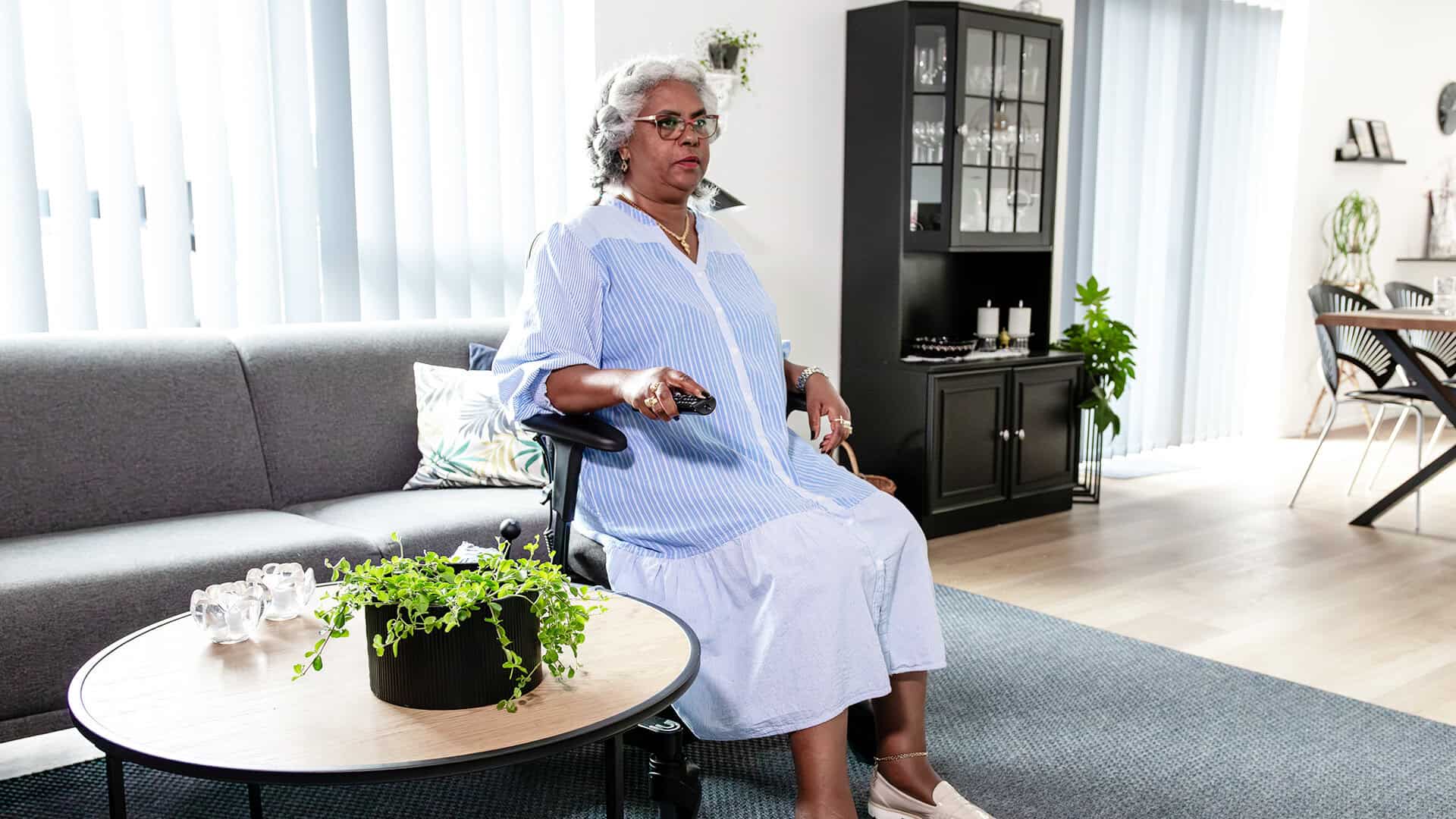
Exploring alternatives to nursing homes, like VELA chairs, endorses a practical solution that supports aging in place. These chairs assist seniors in maintaining independence by promoting safety and mobility. Specific features such as a central brake for enhanced safety, electric height adjustability for easy transfers, and the ability to move effortlessly while seated are vital. They not only provide comfort but also preserve dignity and freedom, significantly reducing the strain on caregivers. By enabling seniors to perform daily activities independently, VELA chairs can help delay the need for nursing home care, offering a feasible and proven approach to aging at home.
It is important to also recognize the role of newer technologies—including wearable health monitors, AI assistants, immersive VR therapy, adaptive robotics, and edge AI safety systems—in further supporting aging in place and independent living. The array of mobility solutions for seniors now includes accessible smart home integrations, personalized AI, and ergonomic tools, allowing individuals to customize support for their unique needs and lifestyles (SEN Teachers Training Blog; DosePacker).
- Updated sources and further reading: