

Updated February 2026: We have updated the article with recent innovations in assistive technology for seniors in assisted living, including new mobility aids, AI-powered systems, real-time navigation tools, and advanced solutions for independence and safety.
Understanding Assisted Living in Lexington: Costs, Services, and Regulations
For families considering assisted living options in Lexington, SC, it’s crucial to understand the nuances of costs, services, and regulations. The landscape of assisted living is vast; as of 2020, the United States hosted around 30,600 assisted living communities serving over 800,000 residents, with 52% of these residents aged 85 or older, according to CDC. In general, assisted living facilities, such as those in Lexington, aren’t covered by Medicare. Most services require private payment, although Medicaid or long-term care insurance may offer financial assistance in some cases, as noted by Medicare.gov.
In Lexington, SC, assisted living facilities offer a balance of affordability and comprehensive care, with costs typically ranging from $3,895 to over $5,000 per month. Services often include personal care, memory care, and active lifestyle programs, which are all subject to standards set by the South Carolina Department of Health and Environmental Control. These standards ensure safety and well-being through appropriate staffing and adherence to health codes.
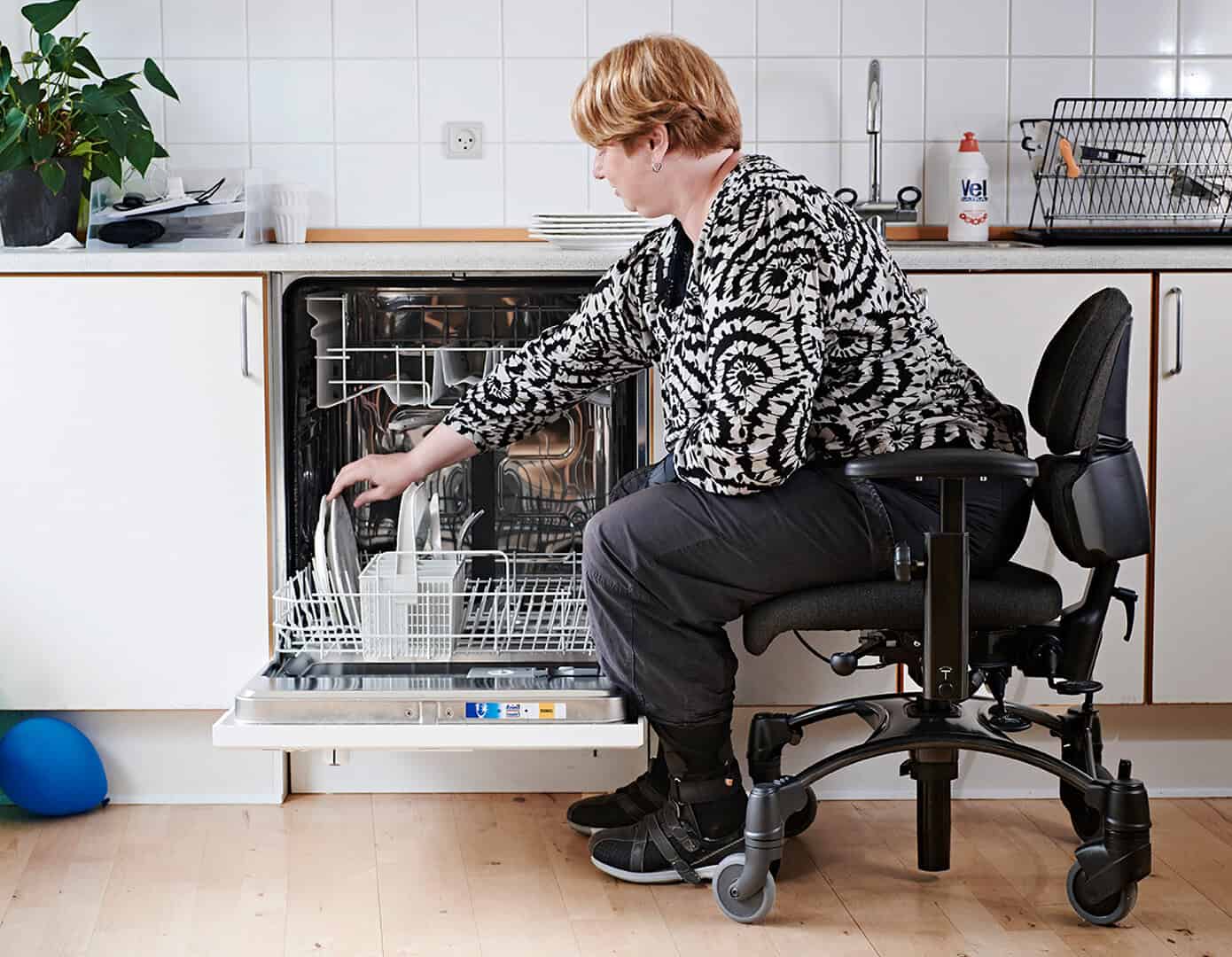
Lexington residents can also benefit from specialized care programs tailored to individual needs. For instance, seniors with reduced mobility can access resources like the VELA chair, a medically approved mobility chair designed for home use that enhances safety and promotes freedom of movement while seated. This innovative chair supports daily activities like cooking, dressing, or transferring, helping to alleviate the load on informal caregivers. With features like ergonomic seating and height adjustment, VELA provides a practical solution to address mobility challenges and foster independence.
Comparing the Lexington Area’s Top Assisted Living Communities
In the Lexington area, several assisted living communities stand out for their quality services and resident satisfaction. For example, Wellmore of Lexington, known for its hybrid wellness and healthcare model, often garners high praise, boasting an average rating of 4.71 stars from families and residents, according to Wellmore’s website. Oakleaf Village emphasizes a vibrant lifestyle and home-like atmosphere, earning an average rating of 4.04 stars (Oakleaf Village). Testimonials and case studies from families highlight thriving experiences enhanced by community engagement and personalized care, leading to positive outcomes and improved quality of life.
What to Expect: Amenities, Care Levels, and Resident Experiences
Selecting an assisted living community involves evaluating the amenities, care levels, and resultant resident experiences. Many Lexington communities provide diverse amenities, ranging from various dining options to health monitoring systems. As noted by A Place for Mom, facilities in the area encourage interaction through programs like pet therapy and offer multilingual staff support to meet diverse needs.
Different levels of care ensure personalized attention, whether in standard assisted living environments or specialized memory care units. Residents often share how amenities like customizable meal plans and communal activities significantly enhance their daily lives.
Questions to Ask When Touring a Lexington Assisted Living Facility
When visiting potential facilities, being prepared with a list of critical questions can ensure a thorough understanding of each location’s offerings. It’s important to ask about safety measures, staff qualifications, and resident care plans. The National Institute on Aging advises focusing on cleanliness, dietary options, and resident engagement during tours. Safety is often a top priority for families, and anecdotes from tours often reveal how choosing the right community can positively impact loved ones’ lives.
Advances in Assistive Technology for Senior Independence
Recent advances in assistive technologies are rapidly transforming assisted living communities. New mobility innovations include the WheelMove power assist system, offering manual wheelchair users an extended range per charge and rapid installation, and XSTO’s all-terrain robotics devices, which automatically adapt for use on stairs and obstacles [1]. The MaaS-Bridge AI system, recently recognized for innovation, creates accessible connections between autonomous vehicles and pedestrian paths, improving accessibility for wheelchair users, seniors, and visually impaired individuals [1].
In assistive vision and navigation, .lumen Glasses for the Blind integrate sophisticated computer vision and autonomous driving technology to guide users safely with tactile feedback rather than internet-based cues [4]. At the same time, AI integration in traditional assistive devices is providing real-time personalization, such as predictive text, voice recognition, and dynamic captioning for individuals with sensory or cognitive challenges [2] [7]. Screen readers and image description tools are now also utilizing AI to further support blind and low-vision users [5].
Wearable devices, smart glasses, and new robotic solutions are gaining widespread adoption because they allow seniors greater independence in daily navigation and complex environments. These technologies, now more accessible than ever, contribute to improved confidence and well-being. Virtual and augmented reality are expanding their roles in rehabilitative training and activity preparation within assisted living settings.
Inclusive, user-centered design is crucial in developing these new tools, ensuring that people with disabilities participate in creation and testing to optimize accessibility and intuitive use. Assistive technologies for cognitive and motor function continue to evolve, ranging from sip-and-puff controls to advanced text-to-speech communication, thus enabling broader participation in social and daily activities [4].
Industry initiatives, like those led by the Assistive Technology Industry Association (ATIA), are furthering standards for device safety, interoperability, and effectiveness, ensuring trusted adoption in assisted living environments [6].
Enhancing Independence with VELA Mobility Chairs
VELA chairs exemplify a commitment to resident independence within assisted living communities. These design innovations offer ergonomic seating and height adjustment features essential for residents with mobility challenges, enhancing safety and reducing fall risks.
Choosing the Right Assisted Living Option in Lexington
Choosing the right assisted living arrangement involves understanding the range of available care options and the communities’ commitments to resident well-being. According to the National Institute on Aging, it’s crucial that these arrangements align with individual health needs, personal preferences, and financial capabilities. By prioritizing facilities offering tailored care, robust amenities, and innovative mobility solutions, families can confidently select the best environment for their loved ones, ensuring quality of life and peace of mind.
Staying Independent at Home with Support
In considering alternatives to nursing homes, the ability to remain independent at home is increasingly supported by advanced mobility solutions like the VELA Chair. These chairs are designed to enhance the safety and well-being of seniors, offering features like a central brake system and electric height adjustability for safer transfers and everyday activities. By reducing physical strain and the risk of falls, these chairs allow for greater independence, delaying the necessity for nursing home care. The freedom and dignity provided through easy, seated movements empower seniors to partake in household tasks such as cooking or relaxing comfortably. For more insights into how these mobility solutions foster independence, explore Mobility Solutions for Independence and Senior Mobility Chairs to see how the right chair can make a meaningful difference in an individual’s daily life.