

Updated February 2026: We have updated the article to reflect the latest advancements in smart integration within mobility aids, AI-powered technology for fall detection and health monitoring, voice-activated devices, sensor-equipped home modifications, and expanded telehealth services for seniors. Current trends on the increased adoption of AI, enhanced caregiver support, and new authoritative sources have been added.
Crafting a peaceful and supportive environment for seniors
Finding tranquility in assisted living is a top priority for many seniors and their families. Tranquility Assisted Living facilities blend personal support with a peaceful, home-like setting to enhance residents’ quality of life. Assisted living communities, where over 800,000 Americans reside, offer personal care and health services in a residential environment. According to Medicare.gov, these communities are designed to provide balance between independence and essential care.
What is tranquility assisted living?
Tranquility in assisted living balances personal support, daily living assistance, and a comfortable setting tailored to residents’ needs. Facilities create individualized care plans, promoting resident independence and easing mild cognitive impairments. In 2023, The Gerontologist highlighted the effectiveness of this approach. A resident at Tranquility Assisted Living Home in Rosedale, MD, appreciated the caring staff’s impact in fostering a family-like atmosphere—critical for residents’ overall satisfaction, as noted by the Journal of the American Geriatrics Society.
In recent years, assisted living environments have made significant progress by adopting smart technologies and AI-powered solutions. Devices with artificial intelligence now offer real-time health monitoring, adaptive support, and voice-activated controls to manage lighting, temperature, and security, leading to both increased safety and resident autonomy (Healthcare Business Today; Comfort Life). Wearables, such as smartwatches with fall detection or specialized glasses for the visually impaired, have now become common features in senior care settings (Think Beyond the Chair; Rochester Business Journal). Since 2025, mobility aids increasingly feature smart integration, such as walkers and wheelchairs equipped with fall detection, GPS tracking, and AI reminders, while home environments benefit from sensor-equipped grab bars and smart lighting for safer, independent living (University of Florida Institute on Aging; AARP Tech Trends Series).
There has also been rapid adoption of voice-activated AI technologies for device control and medication management, as well as the expanded use of AI-powered health monitoring through wearables. These solutions help predict risk factors, particularly falls—which remain a leading concern since over 50% of senior falls occur at home—while also reducing the burden on caregivers (The Landscape of Assistive Technology (AT) and Older Adults).
Amenities, care models, and resident life in tranquility facilities
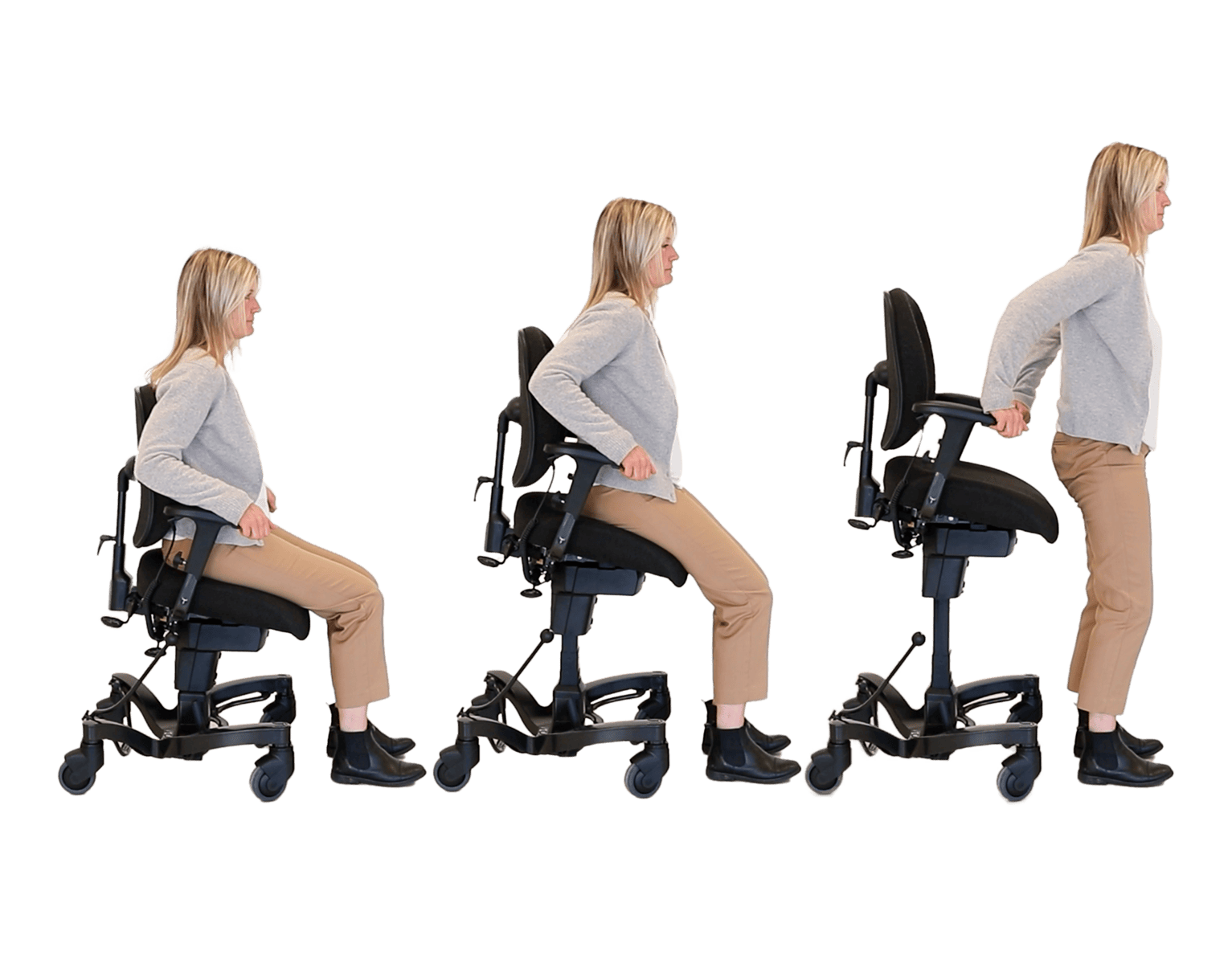
Tranquility facilities offer amenities and care models focusing on senior wellness, integrating social, cultural, and physical activities. Memory care units and 24/7 on-site staff ensure vigilant oversight. Residents partake in activities like art classes, chair yoga, and enjoy chef-prepared meals at locations such as Tranquillity at Fredericktowne. Practical safety and comfort measures include the integration of VELA chairs, offering practical mobility solutions for seniors.
The latest design trends place greater emphasis on resident-centered and wellness-focused environments (Rheinlander Architects). Facilities implement dynamic lighting systems that mimic natural daylight patterns, which can improve sleep, mood, and cognitive function for residents. Accessible outdoor spaces, gardens, and seamless indoor-outdoor access encourage engagement with nature. Modern interior layouts prioritize autonomy and emotional well-being over traditional institutional models (Comfort Life; SeniorLivingFacilities.com).
Implementation of these supportive technologies is accompanied by the rapid expansion of telehealth services for seniors, extended through January 2026, to enable remote consultations and medication management (AARP Tech Trends Series). Home modifications such as sensor-equipped grab bars and adaptive lighting also contribute to reduced falls and enhanced independence for residents (University of Florida Institute on Aging).
Beyond physical health, holistic wellness programs now integrate nutrition, fitness, and social opportunities to combat isolation and support mental well-being (SeniorLivingFacilities.com). Residents benefit from increased interaction, group activities, and access to tech-enabled resources that foster a sense of community.
Ensuring safety and compliance in tranquility assisted living
Safety and regulatory compliance are vital in assisted living. State regulations like those in Maryland mandate comprehensive staff training and uphold resident rights. The Maryland Department of Health emphasizes the importance of staff-to-resident ratios in ensuring responsive care and satisfaction. A report from the CDC reinforces the necessity of safe environments. At Tranquility at the Lakes, user reviews highlight the importance of a safe and modern setting—essential criteria in selecting a suitable facility, corroborating the Maryland Department of Health’s guidelines.
With the growing use of AI and smart technology, operational and clinical efficiency in assisted living has improved. Caregivers can now monitor health trends, predict potential issues (such as falls or infections), and streamline daily workflows through AI-driven analytics (Rochester Business Journal). Recent trends show that adoption of AI-powered technologies among adults aged 50 and older has nearly doubled, fueled by expanded collaborations between aging services and assistive technology programs to improve access as the 65+ population rises. Ongoing challenges include addressing privacy concerns, ensuring safe data use, and providing comprehensive training for staff and caregivers (AARP Tech Trends Series; The Landscape of Assistive Technology (AT) and Older Adults).
Understanding costs and payment options in tranquility assisted living
Cost considerations are crucial when choosing assisted living. These facilities typically offer comprehensive services at varying price points. Tranquility Assisted Living Home, for instance, charges around $3,500/month, which reflects a balance between affordability and quality care. Facilities accommodate private-pay and Medicaid-eligible individuals, aligning with the diverse socio-economic backgrounds of senior residents (source: Medicare.gov).
The demand for sustainable, tech-enabled communities is shaping cost and value in senior living environments. Eco-friendly designs, efficient lighting, and connected devices often result in both improved day-to-day experiences and operational savings for facilities (Comfort Life; SeniorLivingFacilities.com).
Selecting the appropriate tranquility-assisted living facility is pivotal in balancing personalized care and safety. Essential considerations include licensure, staffing ratios, resident feedback, adoption of modern assistive technologies, and compliance with privacy and safety standards. Resources like the Maryland Department of Health and technology advisors can guide this decision-making process. When these factors are addressed, tranquility in assisted living becomes more than a concept—it transforms into a gratifying reality for seniors and their families.
References
- Healthcare Business Today
- Rheinlander Architects
- Think Beyond the Chair
- Comfort Life
- Rochester Business Journal
- SeniorLivingFacilities.com
- Medicare.gov
- The Gerontologist
- Journal of the American Geriatrics Society
- CDC
- University of Florida Institute on Aging
- AARP Tech Trends Series
- The Landscape of Assistive Technology (AT) and Older Adults