

Updated September 2025: We have updated the article to reflect new advancements in AI-powered predictive analytics, smart home integration, and telehealth within assisted living, as well as the latest trends in ergonomic, customizable assistive devices and holistic wellness approaches for seniors. Recent regulatory changes and rapid technology growth in the assistive market are also highlighted.
Navigating Your Options with Tribute Assisted Living
Finding the right care for a loved one is a crucial and often daunting task. Understanding the options at Tribute Assisted Living, which spans a broad network of communities across the U.S., can clarify this process. According to the CDC National Center for Health Statistics, there are approximately 28,900 residential care communities in the U.S. serving over 818,800 residents, mostly aged 85 and older. A significant proportion of these residents face challenges like Alzheimer’s or other dementias, highlighting the essential role these communities play in elder care.
Understanding Tribute Assisted Living
Tribute Assisted Living offers extensive services tailored to various needs across its facilities in Texas, Maryland, and Virginia. Tribute communities have adopted the latest in AI-powered predictive analytics, smart home automation, and wearable health technology, which enhance safety, upgrade personalized care plans, and foster independence for residents. At Tribute Senior Living in Prosper, TX, residents receive care plans that now reflect real-time data about mobility, well-being, and health risk events—technologies especially beneficial for those with Alzheimer’s or dementia. These customized plans ensure each resident receives care that aligns with their specific requirements and preferences (Tribute Senior Living; ButterflyMX, 2025; Health Dimensions Group).
Levels of Care: From Assisted Living to Memory Care
Understanding the differences between assisted living, memory care, and home care is critical for informed decision-making. Assisted living communities provide support for daily activities, whereas memory care units offer specialized cognitive support. Enhanced environments now use smart access controls, automated building and environmental systems, and wearable monitoring, ensuring greater resident comfort and security. For instance, a resident might transition from home care to memory care within a Tribute community to access tailored dementia support, augmented by technology that can proactively signal staff in response to changing cognitive or physical status. This approach further enhances quality of life by addressing cognitive needs in real time (Medicare’s Nursing Home Compare tool; Standards Sunrise Foundation).
Staff Training and Safety Standards in Tribute Facilities
Staff at Tribute facilities undergo rigorous training, aligned with the principles of the National Institute for Dementia Education, ensuring high-quality care. Ongoing education now includes training in the use of digital health devices, telehealth platforms, predictive analytics, and smart facility management systems. Tribute meets stringent safety and medical standards essential for situations like fall prevention and emergency preparedness, supported by AI-driven monitoring and rapid data-driven response. For example, a well-trained team at a Texas facility can adeptly manage emergencies, emphasizing the importance of robust staff education, up-to-date technology adoption, and adherence to state regulations (Texas Health and Human Services; Health Dimensions Group).
Financial Planning and Cost Considerations
The cost of living in a Tribute Assisted Living facility ranges from $2,400 to $6,640 per month, based on location and services. In addition to traditional funding strategies, families should consider the integration of telehealth and remote monitoring services, now often covered by insurance due to regulatory changes mandating telehealth parity. This can provide additional savings and improve access for residents, particularly those with ongoing medical needs. Families often need to incorporate financial planning strategies, such as leveraging long-term care insurance and VA benefits, to manage these expenses. A practical example would be a family using a combination of a retirement plan, insurance, and technology-enabled care solutions to afford the costs, showcasing realistic financial strategies (A Place for Mom; WA Cares Fund).
Enhancing Independence: Adaptive Equipment for Daily Living
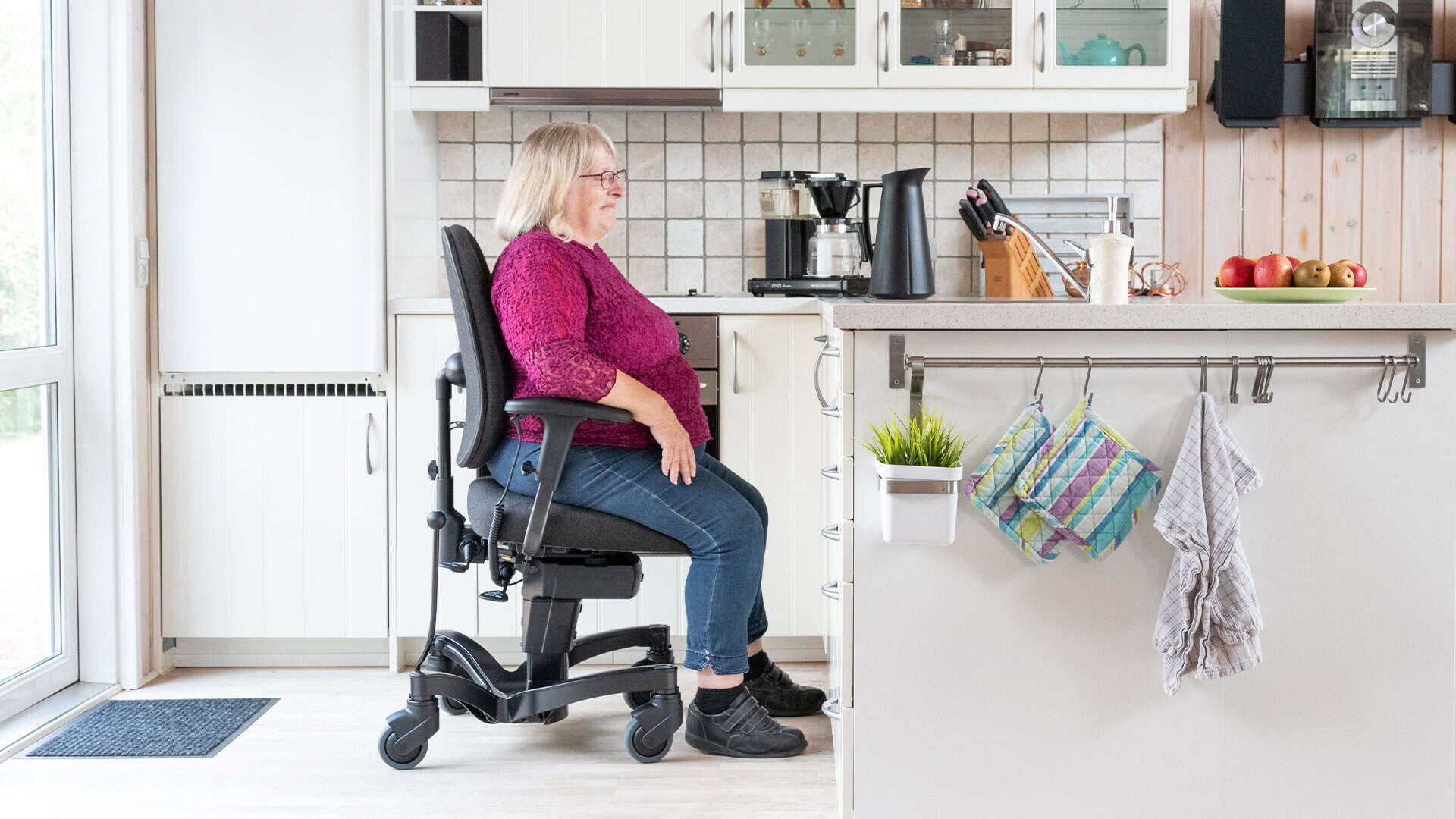
As older adults and their families navigate the complexities of choosing between assisted living options and remaining at home, maximizing independence becomes a pivotal consideration. The assistive technology market now features rapidly evolving innovations, including AI-integrated smart wheelchairs, adaptive prosthetics, and devices with eye-tracking and voice recognition, supporting a wide range of mobility and cognitive needs. Ergonomic, inclusive, and customizable products—like adjustable wheelchairs or AI-powered smart glasses—support dignity and ease of use for a diverse older adult population. An example of such a solution is the VELA chair, a medically approved mobility device designed specifically for at-home use. It enhances safety and freedom of movement while seated, supporting daily activities like cooking, dressing, or transferring, and lessening the burden on informal caregivers. This tool exemplifies how mobility solutions, now more than ever, empower seniors to effectively manage their lives at home, even as technology continues to evolve (Market.us Media; Cognitive Market Research; Next Market Strategic Consulting).
Navigating the complex landscape of senior living options can be challenging. However, with a clear understanding of the tailored care and ample resources—now increasingly supported by AI, IoT, and ergonomic design—offered by Tribute Assisted Living, families can make informed, compassionate decisions. By prioritizing professional staff training, evaluating financial strategies, and incorporating user-adaptive mobility aids, residents and their families can find solace in a community dedicated to comprehensive care, safety, and holistic well-being. According to the Journal of the American Geriatrics Society, such integrated care models enhance the quality of life and reduce hospitalizations, making Tribute Assisted Living an appealing and sensible choice for many families (Health Dimensions Group).
Supporting Aging in Place: A Practical Option
Staying independent at home is a cherished goal for many seniors, and solutions like the VELA Chair make this aspiration more attainable. In the current landscape, technology-driven products—integrating physical, cognitive, and safety supports—are key to enabling “aging in place.” By addressing safety and mobility concerns, VELA Chairs allow seniors to enjoy the freedom of movement and energy-saving ease in daily tasks such as cooking and cleaning. Features like a central brake ensure safety, while electric height adjustability offers comfort and convenience. The ability to move smoothly while seated helps prevent accidents and mitigates the stress on caregivers—delaying the potential need for institutional care. These chairs, designed with ergonomic and adaptable features, demonstrate how practical and innovative solutions can maintain dignity and freedom in the comfort of one’s own home, optimizing quality of life while honoring independence (tools for seniors living at home). Ongoing evolution in assistive technology means that solutions like the VELA Chair remain noteworthy options for those committed to aging in place effectively, despite ongoing challenges in usability and support for those with severe disabilities (ButterflyMX, 2025; Market.us Media).