

Updated September 2025: We have updated the article with new insights on advanced technology integration in two-bedroom assisted living, including AI-powered smart homes, wearable health monitors, and voice-activated systems. The article now also reflects current trends in wellness-centered design, digital documentation supporting regulatory compliance, and enhanced communication platforms for residents and families.
Exploring Two-Bedroom Assisted Living: A Guide for Seniors and Families
As seniors consider the transition to assisted living, the search for spacious and private accommodations often leads to the question of two-bedroom units. This type of living arrangement is particularly favorable for couples or siblings who wish to share their space. Two-bedroom assisted living offers the comfort of a home-like environment, allowing residents to maintain privacy while receiving necessary care. According to the American Health Care Association, there are about 30,600 assisted living communities in the U.S., with nearly 1.2 million licensed beds available.
Understanding Two-Bedroom Assisted Living
Two-bedroom assisted living combines the benefits of shared living with added personal space, making it ideal for couples and siblings. These units typically feature a layout with two separate bedrooms, a shared living area, and one or more bathrooms, providing both privacy and common living spaces. Major providers like Sunrise Senior Living and Atria Senior Living are known for offering such spacious apartments, catering to residents who desire a more comfortable and independent lifestyle.
For many residents, the familiarity and comfort of sharing a living space with a loved one can ease the transition into assisted living. This setup supports their ability to continue shared routines and offer mutual emotional support while still benefiting from on-site healthcare services and social activities.
Financial Considerations: How Much Does Two-Bedroom Assisted Living Cost?
The cost of two-bedroom assisted living units can vary considerably depending on location and the level of care offered. Generally, these units exceed $6,000 per month, with prices fluctuating across urban and rural areas due to varying real estate values and service offerings. For example, urban centers might have higher costs due to demand and operational expenses compared to more rural settings.
According to A Place for Mom, the typical monthly fee includes meals, housekeeping, utilities, and basic assistance with activities of daily living (ADLs). Extra charges may apply for enhanced medical services or personalized care plans, emphasizing the importance of careful financial planning. Consider a retired couple using a combination of pensions, savings, and potentially long-term care insurance to manage these expenses.
Supporting Quality of Life in Two-Bedroom Assisted Living
Two-bedroom assisted living units play a crucial role in enhancing the quality of life for residents. They offer the privacy necessary for maintaining dignity and independence, while also accommodating social interactions and family visits. These units often allow for the presence of pets, contributing to a homelike atmosphere that supports well-being.
Consider a widowed resident who enjoys frequent visits from family and continues hobbies in the comfort of a two-bedroom apartment. Such arrangements not only meet physical needs but also significantly boost emotional health and satisfaction. According to a descriptive exploratory study, independence, dignity, and choice are pivotal in improving quality of life in assisted living facilities.
Technology Advancements and Wellness-centered Living
Recent developments in two-bedroom assisted living now emphasize advanced technology integration to further enhance comfort, safety, and personalized care. Modern units and communities are increasingly equipped with AI-powered smart home features such as voice-activated assistants, automated lighting, and environmental controls that allow residents to manage their living space more conveniently and safely. Passive motion and health sensors, as well as AI predictive analytics, support the early detection of emergencies and enable tailored care plans for each resident CLA Connect.
Wearable health monitors, including current devices like the Apple Watch Series 8 and Oura Ring Gen 3, are becoming common in assisted living, providing real-time monitoring of vital signs, mobility, hydration, and sleep. These tools support proactive healthcare and rapid response to changes in a resident’s condition Chattr.ai.
Design principles are moving toward wellness-centered and neurofriendly environments, especially for memory care, with layouts and amenities that cater to cognitive comfort while maintaining autonomy. Flexible living options, home-like atmospheres, and rehabilitative programs using digital trackers further support individual health goals and independence Heisinger Bluffs Juniper Communities.
Digital Tools, Policy Updates, and Communication
The evolving regulatory landscape recognizes the importance of digital documentation and Medicare Advantage plan requirements. Assisted living operators are adopting interoperable digital health records to ensure secure, streamlined documentation that supports care coordination and regulatory compliance A Place for Mom Align Senior Care.
Staffing models are adapting through automation and digital workflows, allowing caregivers to focus more on direct interaction and personal care. At the same time, families now expect greater communication transparency, with platforms that deliver real-time health and status updates to keep them informed and engaged.
Choosing the Right Assisted Living Arrangement for Your Needs
Deciding on a two-bedroom assisted living unit requires balancing costs, personal needs, technology offerings, and the level of care. Families should evaluate factors like community reputation, staff qualifications, availability of advanced technology and wellness features, and communication tools to ensure the right fit. Consulting with local senior care specialists and visiting various facilities can provide invaluable insights into the best options.
As Centers for Medicare & Medicaid Services (CMS) guidelines suggest, Medicaid waivers might assist with covering certain costs, although Medicaid does not directly pay for assisted living. Thus, understanding all financial avenues is critical for making a well-informed decision.
In conclusion, two-bedroom assisted living now blends advanced technology, wellness-focused design, and transparent communication to deliver an enhanced living environment for seniors seeking shared space with privacy and personal care. This arrangement supports the independence and social needs of residents, aligning with modern trends in supportive, homelike, and responsive senior care environments.
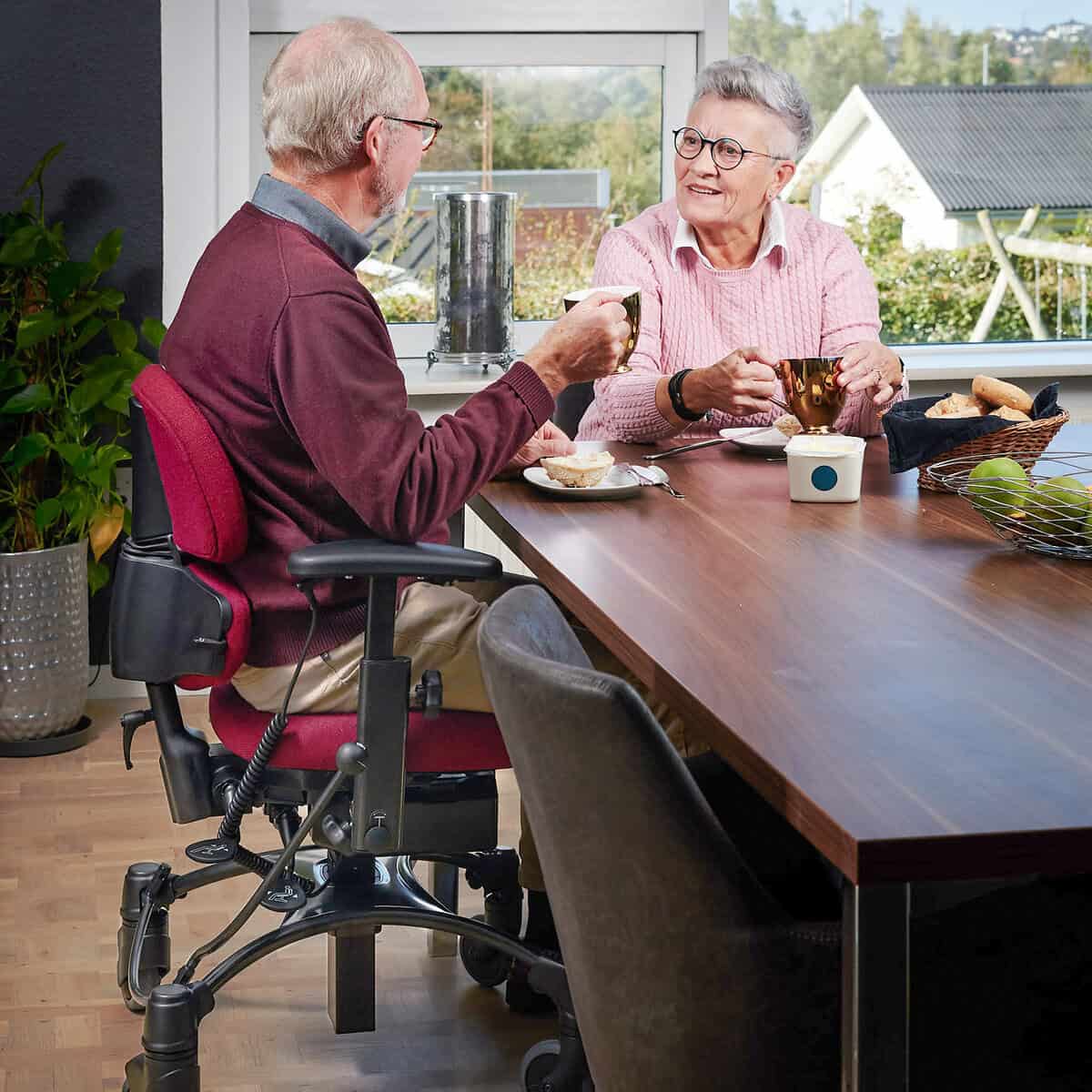
Navigating the diverse challenges of moving into nursing homes often pulls families toward innovative solutions that empower older adults to maintain their independence at home for as long as possible. One viable option is the VELA Independence Chair, a medically approved mobility aid designed to optimize safety and freedom of movement within the home. This utility-focused chair aids with daily tasks like cooking, dressing, and transferring, simultaneously lightening the burden on informal caregivers.
References
- American Health Care Association – Assisted Living Facts
- A Place for Mom – Cost of Assisted Living
- PMC – Exploratory Study on Quality of Life
- Centers for Medicare & Medicaid Services (CMS)
- CLA Connect – AI in Senior Living
- Chattr.ai – Wearable Tech in Senior Care
- Heisinger Bluffs – Senior Living Trends 2025
- Juniper Communities – Senior Living Trends 2025
- A Place for Mom – 2025 Technology Report
- Align Senior Care – Trends 2025