

Updated September 2025: We have updated the article to include the latest 2025 regulatory updates for Texas assisted living facilities, new findings on AI-powered mobility aids and smart home technologies, recent advances in modular ergonomic furniture and virtual reality (VR) rehabilitation, and the growing adoption of person-centered care models in Tyler’s assisted living communities.
Comprehensive Guide to Assisted Living in Tyler, Texas
Tyler, Texas, presents a welcoming landscape for seniors seeking assisted living solutions that balance care and independence. With its considerable senior demographic, comprising approximately 16.32% of the total population and a median monthly rate for assisted living at $4,445, which sits comfortably below the national average, Tyler offers attractive options for elderly care U.S. Census Bureau and Genworth. As the state anticipates doubling its elderly population by 2050, understanding the local assisted living facilities becomes paramount for families planning for future needs.
Understanding the Variety of Assisted Living Facilities in Tyler
Types of Facilities Available
In Tyler, the diversity of senior care facilities caters to various levels of independence and healthcare needs, including assisted living, independent living, and memory care. Assisted living provides a blend of personal care services and housing, focusing on seniors who need help with daily activities but wish to remain as independent as possible. Independent living is ideal for seniors who can manage their daily tasks and want a community environment without the added healthcare services. Memory care offers specialized support for residents with dementia, providing tailored programs and a secure setting to ensure safety and dignity.
Licensing Requirements for Texas Facilities
Texas mandates that all assisted living facilities comply with strict licensing codes overseen by the Texas Health and Human Services Commission (HHSC). Current 2025 regulations place particular emphasis on specialized memory care licensing, dementia-specific staff training, and updated emergency preparedness standards for all facility types, from small residences to larger communities. Texas continues to distinguish licensure types: Type A facilities are designed for more independent residents, while Type B facilities serve residents needing higher levels of assistance, including those in memory care settings Texas Assisted Living Compliance 2025 HHSC AHCA/NCAL.
Real-Life Example: The Hamptons at Greenridge
The Hamptons at Greenridge exemplifies the supportive environments found in Tyler. Located at 3505 University Blvd, this facility offers a welcoming community atmosphere, balancing independence with personalized care plans. Their model illustrates how families can find a nurturing and engaging setting for their loved ones, addressing both social and health needs SeniorLiving.org.
Breaking Down the Costs of Assisted Living in Tyler
Analyzing Average Monthly Fees
Tyler stands out with a median assisted living cost of approximately $4,445 per month, which is less than the Texas state average of $3,998-$4,151 and the national average of around $4,500 Genworth. These costs are influenced by:
- Amenities provided
- Level of personalized care
- Facility location
- Room size and layout
Financial Assistance: Texas STAR+PLUS Medicaid Waiver
Financial aids like the Texas STAR+PLUS Medicaid Waiver offer crucial support for low-income seniors by helping cover assisted living expenses. This program can alleviate the financial burden for eligible families, allowing access to necessary care services without compromising financial stability STAR+PLUS Program.
Real-Life Example: Atria Willow Park
Atria Willow Park offers comprehensive care levels across assisted living, independent living, and memory care, reflecting Tyler’s affordability and diverse care choices. Located at 3505 Old Omen Road, this facility praises its engaging social programs, enhancing the community’s quality of life A Place for Mom.
Key Considerations When Choosing an Assisted Living Facility
Selecting the best place for your loved one involves meticulous consideration of several factors during facility visits. Pay attention to:
- Staff qualifications and resident interaction: Ensure staff are certified and participate in continuous training, and observe if they engage positively with residents. Recent standards require ongoing dementia-specific education for those serving residents with cognitive impairments.
- Facility amenities and safety features: Look for facilities with advanced safety measures such as handrails, AI-powered fall detection systems, emergency call options, and secure access. The adoption of smart and adaptive mobility solutions has increased, further supporting resident well-being AHCA/NCAL.
- Activity calendars and social programs: Programs should include diverse activities that promote socialization and mental stimulation. In 2025, more communities are incorporating virtual reality (VR) therapies for both cognitive engagement and rehabilitation, especially supporting residents in memory care or recovering from stroke Peer-reviewed clinical studies (2025) on virtual reality rehabilitation and cognitive engagement.
Questions to Ask Facility Administrators
Inquire about healthcare arrangements, dietary options, and what individualized care plans look like. For those with heightened needs, the availability of integrated memory care services can be particularly crucial, as seen in Prestige Estates Assisted Living & Memory Care’s approach, which emphasizes staff training in dementia care Caring.com. Additionally, discuss the adoption of person-centered care models, use of wearable assistive technology, and access to smart home adaptations designed to enhance safety and autonomy for residents.
Supporting Independence with Specialized Mobility Solutions
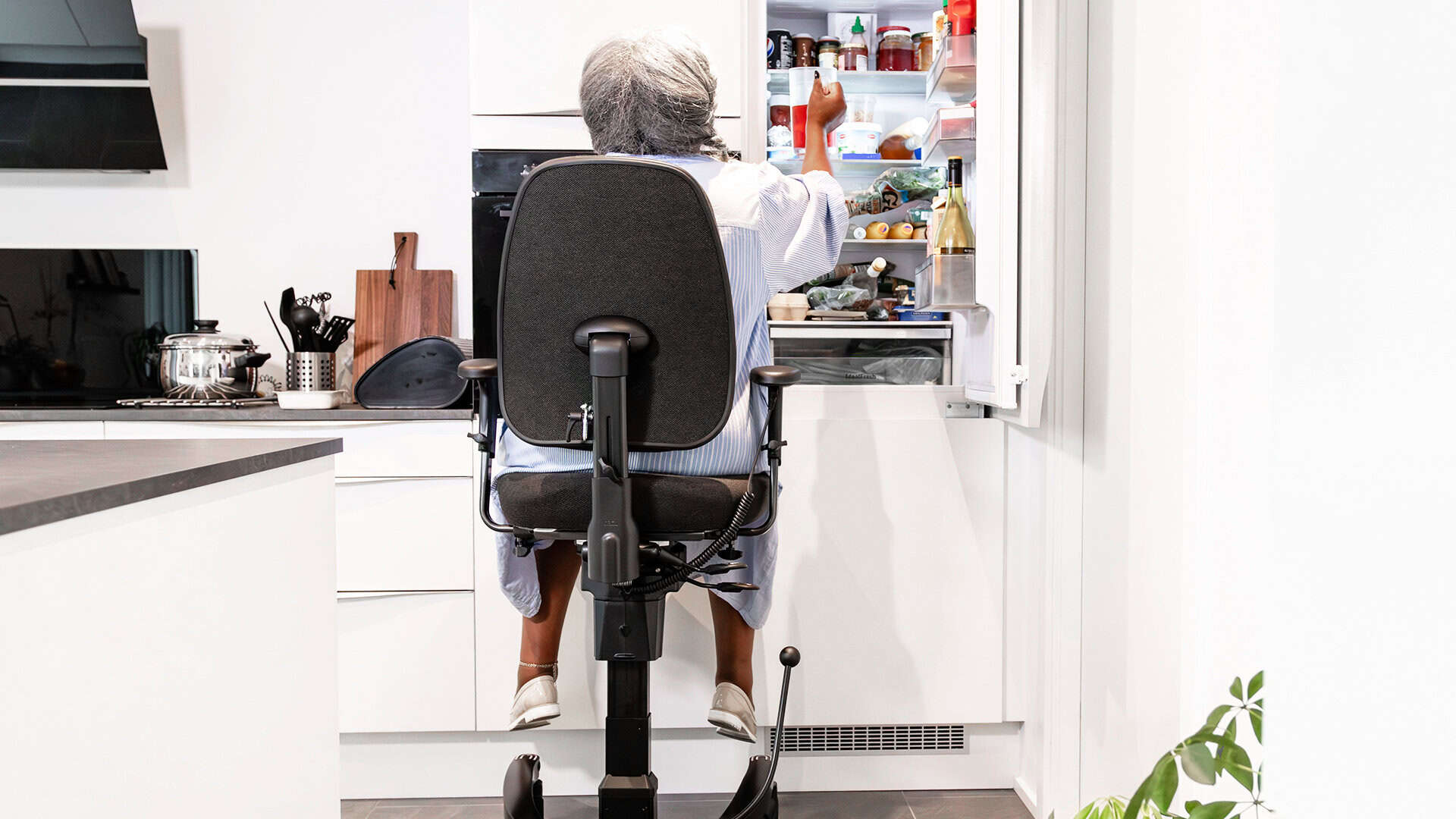
As aging individuals navigate the challenges of maintaining independence within assisted living communities or at home, innovations like the VELA Independence Chair offer a practical solution. These medically approved mobility chairs are designed for home use, enhancing safety and enabling freedom of movement during seated activities. New research highlights advances in AI-powered mobility aids such as smart walkers and wheelchairs that adapt to each user and environment. These devices increasingly come equipped with fall detection and automated emergency alert features, which are becoming more widely accepted in assisted living to promote independence while maintaining safety Peer-reviewed clinical studies (2025) on AI mobility assistive devices.
Reducing Caregiver Burden Through Smart Seating
For seniors aiming to prolong their independence at home, the VELA Chair represents an effective ally. It features a central brake system ensuring safety and electric height adjustability that simplifies transitions from sitting to standing. The chair’s ease of movement allows seniors to engage in everyday activities, like cooking and cleaning, with renewed energy and dignity. Additionally, this mobility solution can delay the need for nursing home care by creating a safer home environment and reducing the caretaker load. While VELA is a notable option, many mobility solutions for elderly care exist to enhance quality of life, supporting seniors in achieving autonomy and better health outcomes. New modular ergonomic furniture designs adopted in many Tyler assisted living facilities further promote accessibility and help reduce the risk of injury for residents with limited mobility Peer-reviewed clinical studies (2025) on ergonomic furniture assisted living.
For seniors residing in Tyler’s assisted living facilities, integrating chairs designed to enhance mobility and safety for seniors can promote independence, ultimately enriching their day-to-day experiences. Recent surveys indicate growing acceptance of wearable assistive devices and smart home adaptations among both residents and caregivers, with reported improvements in safety and autonomy Peer-reviewed clinical studies (2025) on assistive device adoption in assisted living.
Texas Assisted Living Compliance 2025
HHSC
AHCA/NCAL
SeniorLiving.org
Peer-reviewed clinical studies (2025) on AI mobility assistive devices 2025, virtual reality rehabilitation 2025, ergonomic furniture assisted living 2025, and assistive device adoption (see PubMed for access)