

Updated February 2026: We have updated the article with the latest 2026 VA benefit rates, reflecting the 2.8% Cost-of-Living Adjustment (COLA) for Aid and Attendance (A&A) and Housebound pension benefits, new maximums for VA Disability Housing Grants, and the increased net worth limit for pension eligibility. We have also clarified eligibility for assisted living, details on application processing, expedited reviews, and the role of VA grants in supporting home modifications and mobility aids.
Navigating VA Benefits and Assisted Living Costs in 2025
As the veteran population in the United States grows older, understanding the intricacies of VA benefits for assisted living costs becomes crucial. The national median monthly cost for assisted living in 2025 is projected to reach $5,190. However, veterans may significantly reduce this burden through VA benefits, notably the Aid and Attendance Pension, which can provide up to $2,874 monthly for married veterans and their spouses, according to A Place for Mom. Recent updates accounted for a 2.8% Cost-of-Living Adjustment, raising Aid and Attendance and other pension rates for 2026.[1]
2026 VA Aid and Attendance Benefit Rates for Assisted Living
The 2026 VA Aid and Attendance Pension offers varying benefits depending on the veteran’s status:
- Single veterans can receive up to $2,424 monthly, with the annual benefit now totaling about $29,088.[6]
- Veterans with dependents may receive as much as $2,874 monthly, with an annual limit of $34,488 in 2026.[6]
- Married veterans and their spouses may receive up to $2,874 monthly.
- Surviving spouses qualify for up to $1,558 monthly, depending on their personal circumstances.[6]
- If two qualifying veterans are married to each other, the benefit can total up to $3,845 monthly.[6]
These updated amounts are designed to help veterans bridge the cost gap between their income and the rising expenses of assisted living. It is important to note that the VA does not pay assisted living facilities directly. Instead, eligible veterans and surviving spouses receive tax-free monthly monetary benefits, which may be used for care-related expenses, including room, board, assistive devices, home modifications, and specialized services within assisted living communities or at home.[9] Eligibility criteria include service requirements, a net worth limit now set at $163,699, financial thresholds, and care needs. The VA recognizes no distinction in eligibility for A&A benefits between assisted living and nursing homes. A real-world example is a veteran couple in Florida using their $2,874 monthly benefit to offset their $5,500 assisted living cost, as noted by Florida Senior Consulting.
The VA also offers the Housebound pension benefit for veterans who are substantially confined to their homes because of permanent disability. Veterans may not receive both A&A and Housebound benefits at the same time. For details, see the official VA resource.[6]
Applications for Aid and Attendance can be processed within several months, but it is not uncommon for decisions to take up to nine months. Veterans age 90 or older may request an expedited review. Approved benefits are paid retroactively, typically as a lump sum covering all months from the date the claim was received.
Comparing Assisted Living Costs Across States
Assisted living expenses significantly vary across states due to several factors such as geographic location, amenities, and level of care. For instance, the monthly costs can range from $6,500 in New York to $4,500 in Texas. These differences may prompt decisions like relocating from a high-cost state to a more affordable one, thus optimizing financial resources while accessing comparable levels of care. Such insights are detailed in the analysis by SeniorLiving.org.
Bridging the Gap: Covering Costs While Awaiting VA Approval
Veterans often face an interim period while awaiting VA benefit approval. During this time, options like bridge loans, family support, or state-level veteran programs can provide financial relief. A common strategy involves using a bridge loan to cover immediate expenses and repaying it once the VA releases the benefit lump sum. This approach is discussed by experts at Medicaid Planning Assistance.
VA Disability Housing Grants and Assistive Technology Support
The VA continues to expand funding for home modifications and assistive technology aimed at increasing veterans’ independence and safety, particularly for those with disabilities. In 2026, the Specially Adapted Housing (SAH) grant provides up to $126,526, while the Special Housing Adaptation (SHA) grant is set at $25,350. The Temporary Residence Adaptation (TRA) grant allows up to $50,961 or $9,100 depending on eligibility.[3] These grants help veterans modify homes for improved accessibility, allowing for ergonomic and inclusive adaptations such as ramp installations, stairlifts, bathroom renovations, and assistive device integration. Grants may be used more than once, up to the defined maximum amounts for each program, over a veteran’s lifetime.
Eligibility for these grants includes specific qualifying disabilities, such as loss of use of limbs or severe respiratory conditions. The availability of these funds, combined with other VA benefits, supports the adoption of advanced assistive technologies and home design improvements, reflecting an ongoing trend toward supporting independent living among veterans. Grants can be used for necessary mobility enhancements, such as stairlifts, which support continued safety and independence at home.[3]
New VA Home Loan Policies for 2025
Recent policy updates have expanded VA home loan benefits to include Native American veterans seeking to buy or adapt homes on tribal lands, now also covering manufactured homes. This inclusive policy streamlines eligibility and increases access for historically underserved communities, supporting broader housing affordability and accessibility improvements.[4]
Veterans Health Benefits for Specific Care Services
Beyond financial assistance, VA health benefits cover specific medical services in assisted living facilities. Eligibility for these services typically depends on enrollment in VA healthcare, alongside meeting certain service-connected disability criteria. For example, a veteran receiving covered physical therapy sessions aligns care with personalized needs within their assisted living environment. While the VA does not pay assisted living costs directly, the monetary benefits can be used toward supported services and required healthcare needs. For more details, refer to VA Health Benefits.[9]
Reducing Caregiver Burden Through Smart Seating
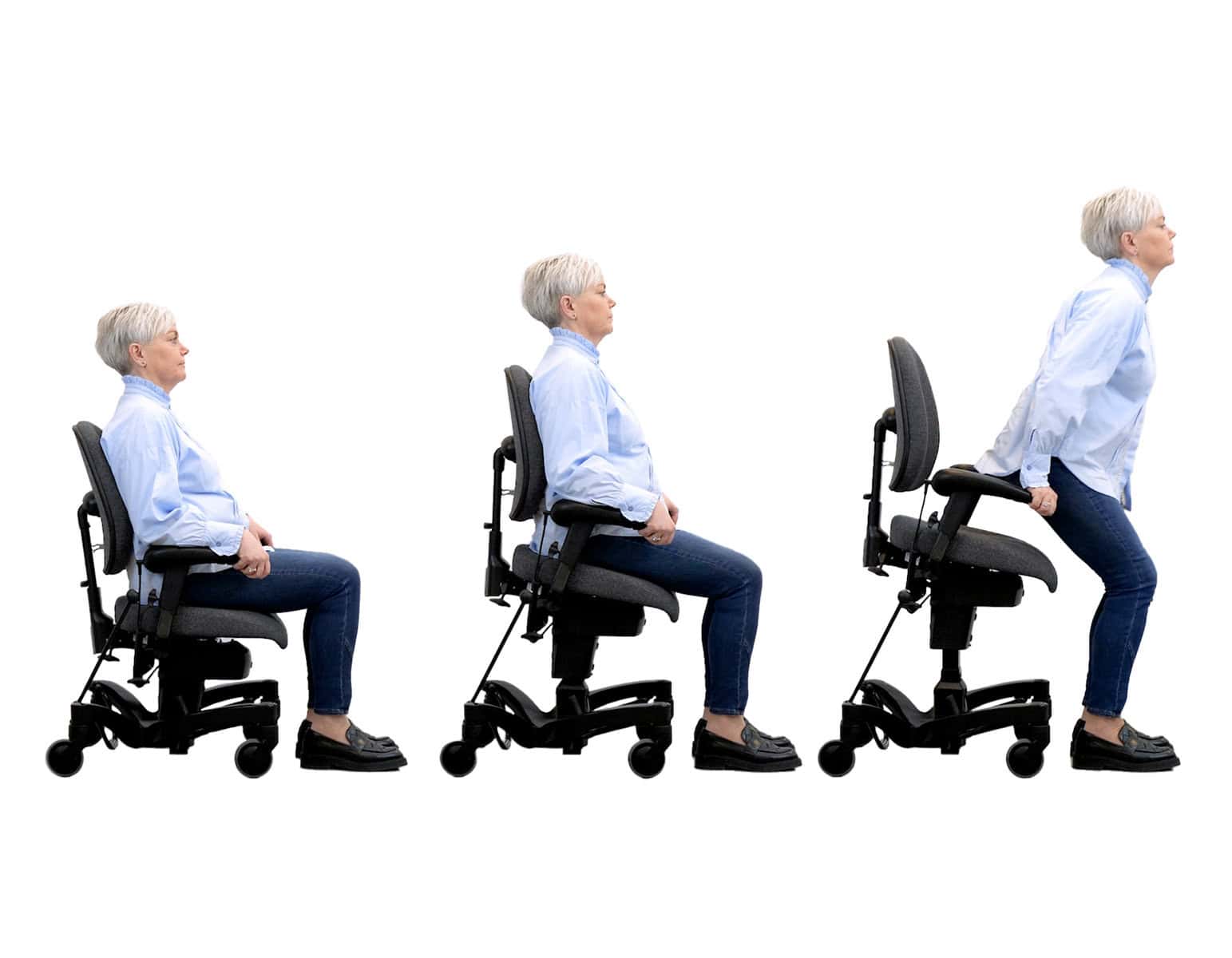
Supporting aging in place not only requires financial strategies but also practical solutions like mobility aids. VELA chairs offer a viable alternative, enabling older adults to remain independent longer at home. These chairs boast features such as a central brake for safety, electric height adjustability, and ease of movement while seated. Such innovations can delay the need for a nursing home by enhancing safety during activities like cooking or relaxing. With or without a VELA chair, the difference is significant; it provides dignity, freedom, and energy-saving benefits. While VELA is not the only solution, it remains a proven option among many, emphasizing mobility support for seniors. By matching the desire to age in place with practical resources, these chairs help individuals manage daily tasks comfortably and securely.