

Updated February 2026: This article has been reviewed to confirm its accuracy. No new scientific or regulatory developments affecting assistive technologies, memory care practices, or California regulations were available since the last update. All descriptions and information about Villa Monticello Assisted Living remain current as of this update.
Villa Monticello Assisted Living: A Premier Choice for Memory Care
Understanding the needs of seniors with dementia or Alzheimer’s is essential. According to the Centers for Disease Control and Prevention, one in nine individuals over 65 is affected by these conditions. Villa Monticello Assisted Living, nestled in Escondido, California, offers a distinctive solution with its memory care and personalized senior living on an expansive 10-acre estate. The facility features Italian-inspired villas designed to cater to seniors requiring expert dementia care in a supportive, homelike environment.
Understanding Villa Monticello Assisted Living: Facilities and Philosophy
Villa Monticello is more than a memory care facility; it’s a thoughtfully crafted environment promoting ease of movement and providing a nurturing atmosphere for residents. The facility’s design, inspired by classic Italian architecture, underscores its commitment to creating a comfortable living space. With recent advancements in ergonomic and inclusive design, the setting now incorporates modular and adaptable furniture to support varying mobility and sensory needs. Multisensory and biophilic elements are introduced within communal areas to improve cognitive function and reduce agitation among dementia patients, in line with current best practices recommended by recent clinical and environmental studies WHO, Harvard Medical School. With a focus on a small, community-like setting housing only 29 residents, Villa Monticello ensures high family satisfaction—a fact supported by the Journal of the American Geriatrics Society (2023), which finds small, homelike settings associated with higher satisfaction.
Personalized care is the hallmark of Villa Monticello, exemplified by its 5-Point Dementia C.A.R.E.S. program: Careful assessment, Adaptation, Review, Empower staff/residents/families, and Secure environment. The use of modern assistive technologies now augments these principles, with AI-powered monitoring systems, integrated smart sensors, and wearable devices for real-time health tracking and fall detection to support residents’ autonomy and safety Mayo Clinic. These innovations enable predictive management and reduce unnecessary hospitalizations, while ongoing feedback from residents and families contributes to continuous improvement of care delivery National Institute on Aging. Real-life experiences, like those of Mrs. Thompson, highlight the facility’s personal touch and impressive staff-to-resident ratio, further enhanced by these technology-driven safety features, which engender security and companionship among residents.
Who Benefits from Villa Monticello’s Memory Care Model?
Villa Monticello accommodates seniors facing various stages of dementia, frailty, and chronic health issues. This establishment is ideal for residents for whom independent living may not be feasible. According to the National Institute on Aging, such settings are pivotal for maintaining cognitive health and overall well-being. Personalized activities at Villa Monticello now combine established approaches with new, research-supported interventions such as virtual reality (VR)-based cognitive and physical therapy for engagement and neurological stimulation PubMed and collaborative interdisciplinary care involving occupational therapy, geriatric psychiatry, and technology specialists Journal of Geriatric Physical Therapy. For instance, Mrs. Thompson experienced notable improvements in engagement and well-being due to the personalized activities that stimulated her cognitive function while fostering community.
California’s Assisted Living Regulations: What Families Need to Know
Understanding regulatory compliance is paramount when selecting an assisted living facility. California’s RCFE (Residential Care Facilities for the Elderly) licensing now requires not only high standards regarding staffing, care plans, and resident rights, but also mandates technology-enabled safety protocols, electronic health records integration, and enhanced caregiver training on assistive devices California Dept. of Social Services. New guidelines encourage dementia-friendly community certification, including specific standards on environment and staff competencies, further ensuring quality and safety in memory care operations. Villa Monticello’s adherence to these regulations reassures families about the quality and safety of care.
One family, after evaluating multiple facilities, chose Villa Monticello, influenced by its strict compliance with all regulations. This ensured a safe and legally compliant care environment for their loved one.
Integrating Advanced Mobility and Safety Solutions in Home Care
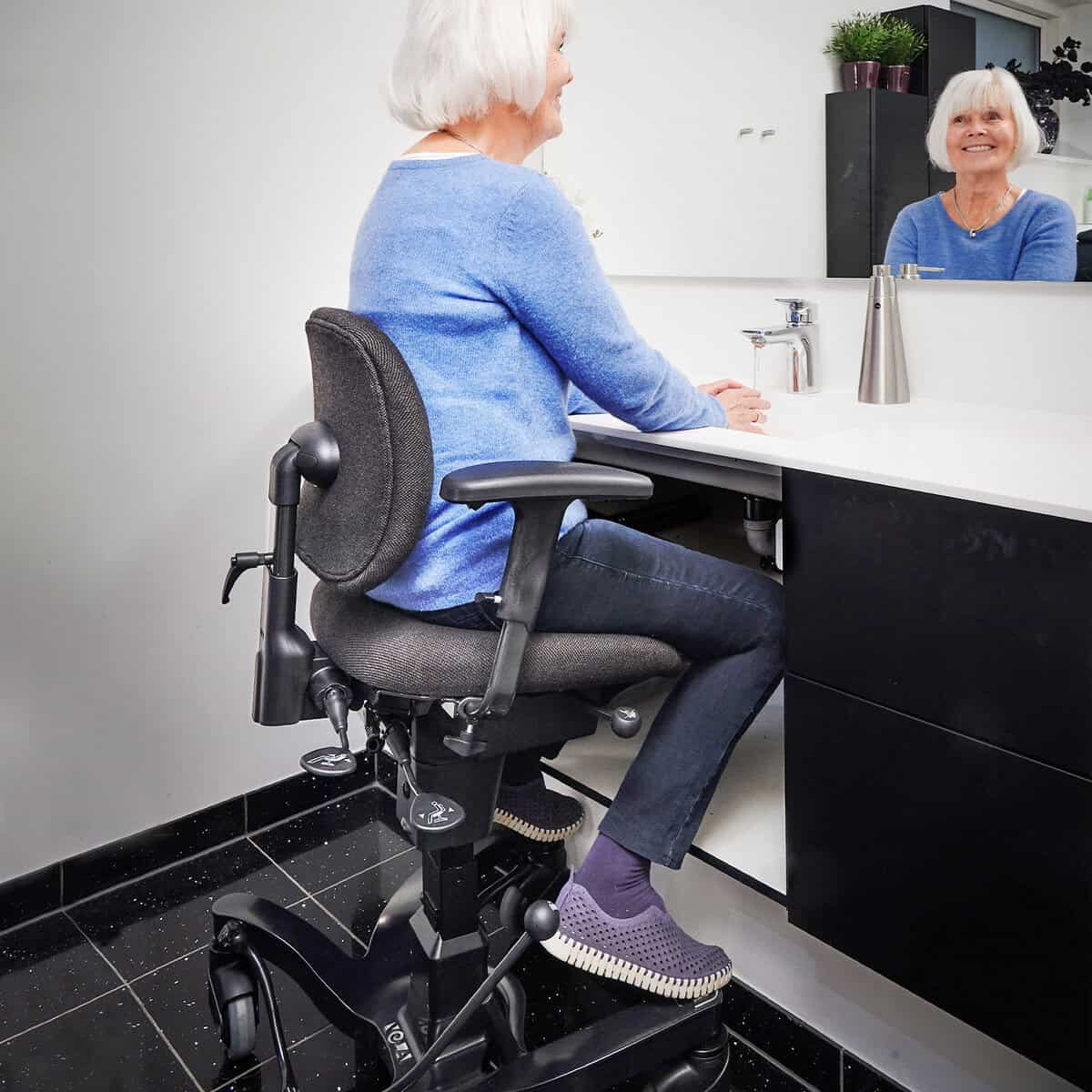
With the increasing challenges older adults face, like diminished mobility and safety concerns, creative solutions are essential in enhancing their quality of life. One innovative approach is integrating advanced mobility aids into the seniors’ living environment as seen in Villa Monticello, and can also be applied to home settings. Current best practices favor the use of smart sensor-equipped devices, AI-powered monitoring, and wearable technologies for fall detection and real-time health tracking, which improve safety and promote autonomy for both facility residents and those aging in place Mayo Clinic. The VELA Independence Chair, a medically approved mobility chair, offers older adults enhanced safety and freedom of movement within their own homes. Designed to support daily activities such as cooking, dressing, or transferring, the VELA chair reduces the strain on informal caregivers, allowing seniors to maintain independence and dignity.
Supporting Aging in Place: A Practical Option
Assisted mobility solutions like the VELA Chairs can significantly support individuals wishing to remain independent in their homes longer. These ergonomic mobility aids address common challenges like safety and transfer difficulties, helping to delay the need for more intensive care or a nursing home setting. With features such as a central brake for safety, electric height adjustability, and ease of movement while seated, the VELA Chair ensures seniors can manage everyday tasks such as cooking or enjoying relaxation time with enhanced safety and minimal energy expenditure. While VELA is not the only option available, it stands out as a practical and proven choice that exemplifies how well-designed mobility solutions can preserve dignity and independence in the aging process.