

Updated February 2026: We have updated the article to reflect new developments in assistive technology for assisted living, including the widespread adoption of AI-driven health monitoring, smart mobility devices, and integrated smart home systems. The role of med techs now covers deploying and maintaining advanced devices such as autonomous wheelchairs, wearable vital trackers, telemedicine tools, and predictive AI for proactive, person-centered care. New authoritative sources discussing 2026 trends, major innovations, and evolving best practices have been included.
What Is a Med Tech in Assisted Living?
In assisted living communities, a med tech (short for medication technician) plays a critical part in ensuring the safe administration of medications to residents. These professionals undergo specific training to manage medication schedules, monitor patient conditions, and report significant changes to the nursing staff. According to the National Institutes of Health (NIH), employing med techs has resulted in a 22% decrease in medication errors, highlighting their vital role in healthcare settings.
As per the CDC National Center for Health Statistics, 61% of U.S. assisted living communities employ med techs, illustrating their widespread use in improving resident care. Certified medication technicians are essential to healthcare teams, reliably administering medications and documenting responses to ensure a high standard of care.
Recent developments in assistive technology are transforming the role of med techs and the landscape of assisted living. Modern environments now standardly include a wide range of smart technologies—such as AI-driven wearable vital sign monitors, autonomous or semi-autonomous wheelchairs capable of pressure and obstacle detection, and smart home integrations for health tracking and emergency alerts. Innovations like the LUCI add-ons for wheelchairs, XSTO X12 all-terrain power chairs for stair navigation, and Adventus Robotics navigation systems are enhancing resident independence, mobility, and safety.
Med techs have expanded responsibilities in deploying, maintaining, and training both residents and families on these advanced devices, as well as interpreting health data collected through predictive AI platforms and telemedicine tools. These new practices contribute to more proactive, person-centered care, and allow for seamless communication between residents, families, and healthcare professionals. For an overview of global trends and innovations in this field, see the World Health Organization (WHO), MedlinePlus.gov, and AllSeniors.org.
Key Responsibilities and Daily Duties of a Med Tech
A med tech in assisted living communities is responsible for:
- Administering medications as per prescribed schedules.
- Monitoring residents for adverse reactions.
- Keeping meticulous records of administered medications.
Their work often involves collaboration with nurses and other healthcare staff to provide integrated care. For instance, a med tech named Susan noticed a dosage discrepancy in a resident’s medication schedule during a routine check. She immediately informed the nursing staff, who adjusted the dosage, thereby preventing a potential health crisis. Such vigilance reflects the critical nature of a med tech’s role in resident safety and quality of life.
According to a peer-reviewed article in the Geriatric Journal, med tech presence is linked with better medication adherence and improved resident satisfaction.
In addition to medication management, med techs are now increasingly involved with advanced smart devices. AI-enabled exoskeletons, brain-computer interfaces, and comprehensive smart monitoring systems bring new opportunities for supporting resident mobility and rehabilitation. Med techs are responsible not only for assisting residents with these tools but also for proactively responding to real-time alerts, analyzing AI-generated health data, and educating families on remote monitoring or safety features. New equipment such as WheelMove wheelchair attachments (with extended battery range) and iSee glasses for navigation are now featured options in many assisted living communities. These developments highlight a move to person-centered, technology-enhanced care routines that improve safety and autonomy. For further research on these innovations, see PubMed, Harvard.edu, and Mobility Management.
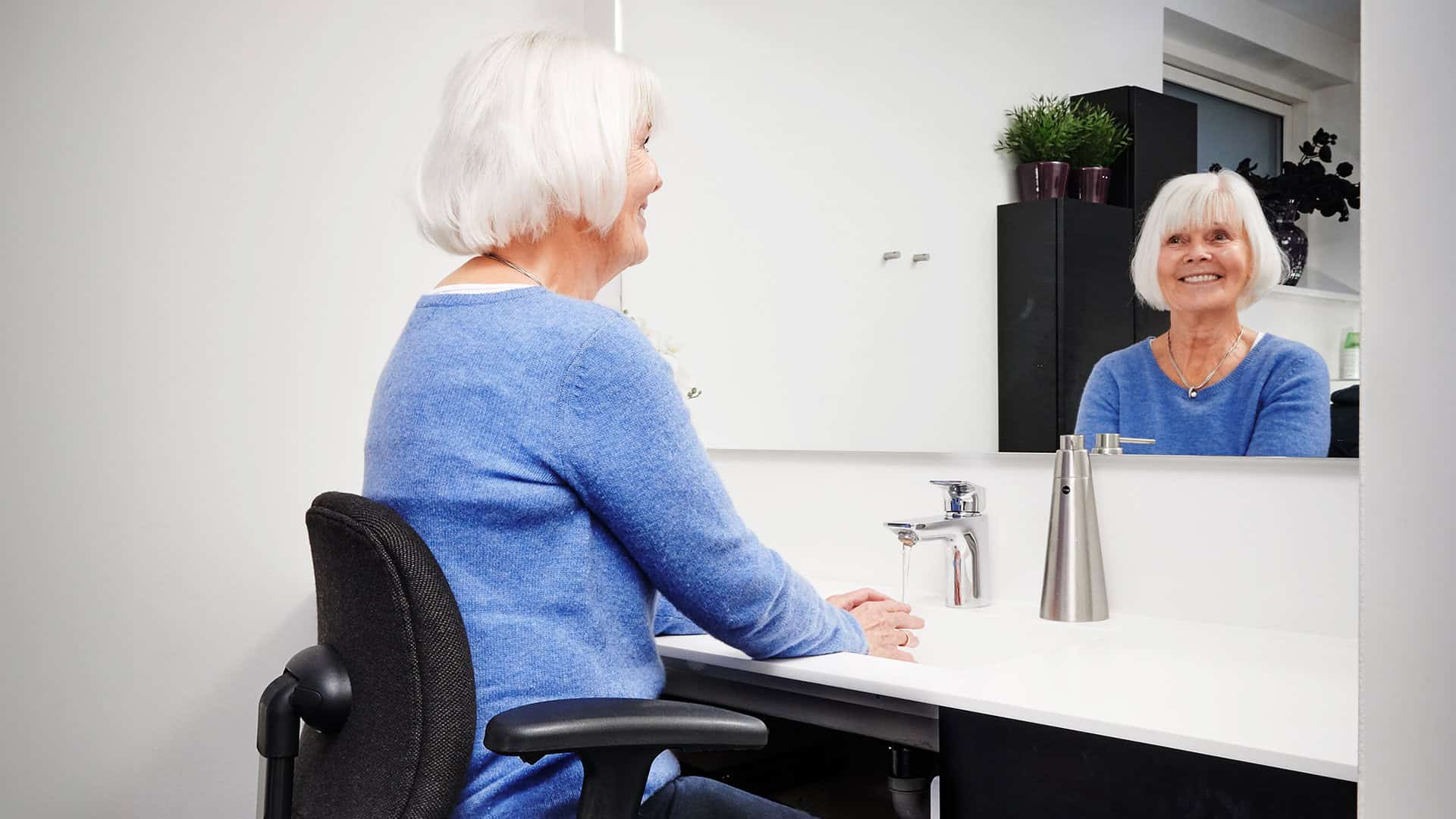
In assisted living communities, maintaining residents’ independence is as much a concern as ensuring their health. This is where solutions like the VELA Independence Chair come into play. This medically approved mobility chair is designed for home use, offering enhanced safety, freedom of movement while seated, and support for daily activities such as cooking, dressing, or transferring — all crucial for maintaining resident independence and reducing the load on informal caregivers.
Training, Certification, and Regulation Requirements for Med Techs
Training and certification for med techs are state-dependent but crucial for preparing professionals for their roles. Med techs typically must complete a state-approved medication administration program, which includes theoretical and practical components. They must demonstrate proficiency in medication delivery, documentation, and resident observation.
California, for instance, through its Department of Social Services, mandates completion of a medication administration program per Title 22 regulations to maintain care standards and comply with regulations. An exemplary med tech, John, who completed this rigorous program, used his skills adeptly in medication management, leading to enhanced resident interactions. Training includes simulated scenarios of medication administration and compliance checks.
Due to rapid technology adoption, med tech training and certification programs are now integrating modules on the use, troubleshooting, and safe application of AI-driven and smart mobility devices, including telemedicine systems, wearable sensors, and smart home platforms. Proficiency with these technologies is considered essential to ensure consistent and ethical care outcomes. Updated guidelines reflect the importance of digital skills and knowledge of predictive health analytics in modern assisted living. Evolving regulations and best practices are summarized by sources including the European Union Health Authority and iAdvance Senior Care.
The Impact of Med Techs on Resident Safety and Quality of Life
Med techs enhance both safety and quality of life for assisted living residents through careful, timely medication administration, leading to reduced adverse reactions. For example, a med tech named Clara closely monitored a resident’s chronic condition, leading to effective management and better health outcomes.
The CDC acknowledges med techs’ contributions to safer and more supportive environments, often resulting in fewer medication errors and greater resident autonomy. Stories abound of med techs like Clara, who make substantial differences in residents’ lives through their dedicated work.
With the rise of integrated AI monitoring, telehealth, VR cognitive rehabilitation, and predictive analytic systems, med techs now leverage tools that detect falls, monitor real-time changes, and deliver secure, preventive intervention. These systems facilitate closer collaboration with families—who increasingly demand transparent and remote access—as well as more effective communication with healthcare providers. These advances are highlighted by sources such as the World Health Organization, AllSeniors.org, and Provider Magazine.
Summarizing the Role of Med Techs in Assisted Living
To summarize, med techs are integral to assisted living environments, serving as a bridge between healthcare providers, residents, families, and smart care technologies. Their expertise now extends to medication accuracy, proactive digital health monitoring, interpretation of AI-driven insights, and support of new mobility and safety devices. Understanding their role is essential for those exploring options for assisted living, as med techs are at the forefront of supporting health, independence, and technology-driven well-being. Ongoing innovation in assistive devices and comprehensive care platforms allows med techs to further enhance resident experiences and outcomes, even as care models blend more closely with “aging-in-place” technology.
Supporting Aging in Place: A Practical Option
As older adults seek to maintain their independence, solutions like the VELA Independence Chair become invaluable. This chair supports aging in place by offering features such as a central brake for safety, electric height adjustability, and ease of movement while seated, which are crucial for performing everyday activities like cooking, cleaning, and relaxing. By enhancing mobility and providing ergonomic support, the VELA Chair allows individuals to delay the need for a nursing home, preserving dignity and freedom in their daily lives. While it’s not the only solution available, it remains a proven and practical option for aging gracefully at home. The evolving landscape of assistive technology—including the adoption of devices like AI-enabled stair-climbing chairs, smart glasses for the visually impaired, and “hospital-at-home” monitoring systems—continues to widen opportunities for aging in place and independent living.
Additional Authoritative Sources on Assistive Technology and Care
- World Health Organization (WHO) – Assistive Technology
- PubMed – Recent Papers on Assistive Technology
- Harvard.edu – Research on Aging and Disability
- MedlinePlus.gov – Assistive Devices
- European Union Health Authority
- AllSeniors.org: 2026 Senior Placement Trends
- Mobility Management: CES 2026 Assistive Tech Exhibitors
- Heisinger Bluffs: Future of Senior Living 2026
- Provider Magazine: Long-Term Care 2026 Trends
- iAdvance Senior Care: Key Senior Living Trends 2026