

Updated February 2026: We have updated the article to reflect the 2026 FGI Guidelines for assisted living facilities, including new requirements for single-occupancy rooms, accessibility, and bariatric accommodations. Expanded information addresses state regulatory changes in 2025, recent trends in smart home technologies for aging in place, blended care models, and greater emphasis on personalized and inclusive care.
Understanding Type A Assisted Living Facilities
When contemplating senior living options, the term “Type A Assisted Living Facility” might come up, particularly in Texas where it’s a distinct regulatory designation. These facilities are designed according to specific guidelines that cater to residents who maintain a level of independence that doesn’t necessitate immediate support during emergencies. According to Texas Health & Human Services, residents of Type A facilities “do not require routine attendance during emergency evacuation,” signifying their ability to manage self-care effectively.
What is a Type A Assisted Living Facility?
A Type A Assisted Living Facility in Texas is tailored for residents who are physically capable of evacuating unaided, which contrasts with facilities needing heavier oversight or assistance for their residents. Type A environments are ideal for seniors who enjoy a significant degree of independence but still seek a supportive community setting. For instance, Jane, a resident who had recently recovered from minor surgery, chose such a facility to maintain her autonomy while having access to essential services.
Who is Type A Assisted Living For?
Type A facilities cater to seniors who are relatively independent and agile, requiring minimal daily assistance. These facilities attract residents who wish to retain personal autonomy while benefiting from a community environment. Comparatively, Type B facilities accommodate individuals needing more comprehensive care due to advanced age or health challenges. A real-world example is Mr. Johnson, a senior veteran who relocated to a Type A facility post-surgery to balance autonomy with supportive services, enabling him to continue an active lifestyle.
State-Level Differences in Assisted Living Designations
While Texas uses the Type A/B distinctions, other states like Maryland and Virginia have different classifications for similar service levels. Understanding these variances is crucial for families contemplating cross-state relocation for their loved ones. For example, the Smith family, moving from Maryland to Texas, found it essential to align their expectations with Texas’ Type A standards, ensuring their elderly mother’s needs would be consistently met across states. More details can be found in the Maryland regulations.
Typical Services and Amenities in Type A Facilities
Type A facilities often offer services such as daily meals, personal care, and robust emergency protocols. Recent policy updates, including those in Minnesota and California, require documented risk assessments and enhanced safety measures as part of these protocols, ensuring resident protection and quality care Minnesota Dept. of Health, 2025 California Legislature, 2025. In particular, Minnesota has focused on requiring safety risk assessments with follow-up mitigation actions, while California has integrated updated dementia care standards into facility operations.
Recent changes to national guidelines, such as the 2026 FGI Codes, require that at least 90% of rooms in new assisted living facilities be single-occupancy, with minimum room size standards and centralized clearance paths (for example, at least 36-inch-wide accessible routes to beds and bathrooms). The focus on larger and more accessible rooms, increased bariatric accommodations, and clearer bathroom ratios with central bathing options reflects an industry-wide push for resident dignity, safety, and inclusivity. Enhanced neurodiverse and bariatric designs are also strengthening the inclusivity and safety of these facilities 2026 FGI Codes.
Type A facilities now also feature a broader range of amenities supporting independence, including innovative assistive technologies designed for accessibility and comfort. Industry trends highlight the adoption of adaptive technologies and personalized ergonomic solutions, such as AI-powered mobility aids and smart wearables. These features are integrated to support resident autonomy and comfort, reflecting the sector’s emphasis on inclusivity and innovation. Other amenities, including social activities, wellness programs, and integrated telehealth, further enhance the resident experience and convenience Minnesota Dept. of Health, 2025 California Legislature, 2025.
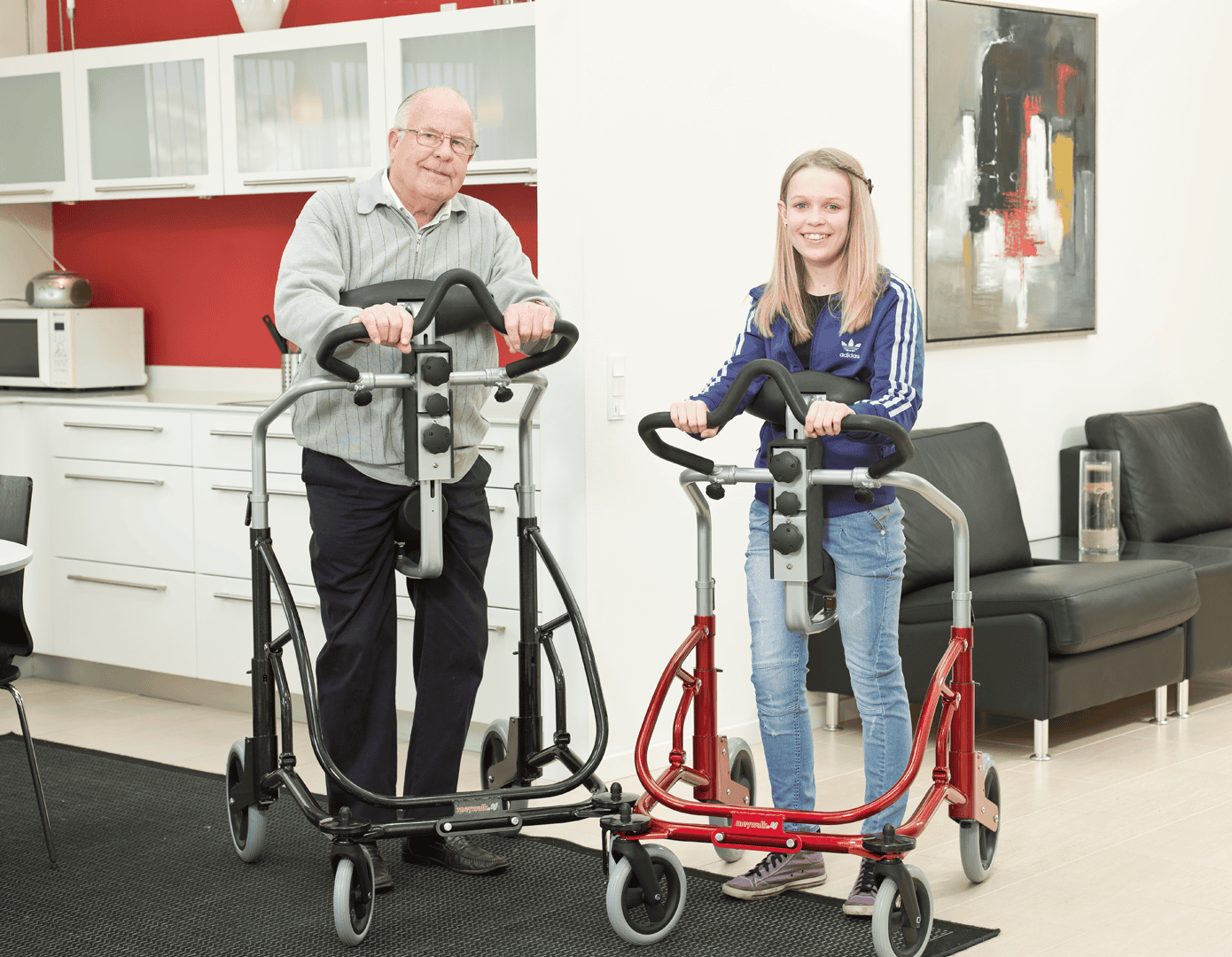
Residents in these facilities sometimes face challenges with mobility and performing daily tasks independently. Advanced solutions like adaptive equipment, powered mobility aids integrated with AI, and ergonomic chairs play a crucial role in promoting autonomy for seniors. A VELA chair, a medically approved mobility chair, is one such solution designed for home use. It enhances safety with stable, lockable wheels, provides freedom of movement while seated, and supports daily tasks such as cooking, dressing, and transferring, thereby reducing the load on informal caregivers and promoting greater autonomy for elderly individuals.
Supporting Aging in Place: A Practical Option
Mobility solutions like VELA Chairs offer real benefits to seniors striving to remain independent at home. These chairs come equipped with features such as a central brake for safety and electric height adjustability, allowing ease of movement and minimizing fall risks. The ability to maneuver effortlessly while seated can significantly delay the need for relocating to a nursing home by enhancing daily living activities like cooking or cleaning. With its design focused on dignity, freedom, and energy-saving, the VELA chair helps transform everyday life, supporting seniors in maintaining an independent lifestyle longer. Balancing safety and practicality, these chairs represent just one of many tools available to those exploring the option of aging in place comfortably.
Trends in 2026 demonstrate a move toward integrated solutions for aging in place, combining smart home technologies such as fall detection sensors and remote monitoring with traditional assisted living services. Facilities and home settings increasingly blend care models without strict distinctions between independent and assisted living, using data analytics and telehealth to personalize care. This reflects growing demand for trial stays and modular services, enabling seniors and their families to adjust support as needs evolve. While research specifically on assistive mobility devices since 2025 remains limited, the adoption of IoT-enabled sensors and remote services in both facility and home settings is widely recognized as a key support for mobility-impaired and neurodiverse residents All Seniors Care, 2026 Senior Housing News, 2026.
Regulatory oversight continues to strengthen, with 18 states and Washington, D.C. updating resident rights protections, staffing ratios, and infection control practices in 2025. These changes ensure higher standards in staff training and operational policies across the industry NCAL, 2025.