

Updated February 2026: We have updated the article to include the latest advances in AI-powered mobility aids, smart wheelchair add-ons, and regulatory changes such as room occupancy limits relevant to Type B assisted living facilities. The update highlights CES 2026 innovations, the expansion of advanced assistive technologies for residents with reduced mobility, and new standards for safety and emergency preparedness.
Evaluating Your Options for Comprehensive Senior Care: What is a Type B Assisted Living Facility?
Understanding the specifics of assisted living facilities is crucial for families seeking the best care options for their loved ones. Type B assisted living facilities, particularly prominent in Texas, cater to residents who need assistance beyond the capabilities of Type A facilities. According to the Texas Health and Human Services Commission, Type B facilities are tailored to individuals who require help with daily activities, overnight supervision, and assistance during emergencies due to complex medical needs. These facilities are vital for individuals with mobility impairments or cognitive challenges, especially as the elderly population with such needs continues to grow.
Understanding Assisted Living Facility Types: What Distinguishes Type B?
Type B facilities stand out for their ability to provide a higher level of care compared to Type A facilities. While Type A residents are generally independent and capable of evacuating without assistance, Type B residents often have chronic conditions that require skilled nursing and overnight care. The Texas Administrative Code further defines these distinctions, focusing on resident independence and required level of care. For example, residents with dementia greatly benefit from the specialized supervision and supportive environment of a Type B facility, thus improving their quality of life considerably.
Medical and Support Services Provided in Type B Facilities
Type B facilities are equipped with a range of medical support and services to meet the needs of their residents. These include skilled nursing, memory care, physical and occupational therapies, and 24/7 staff availability to assist with emergencies. As emphasized by Caring.com, overnight staff presence and specialized emergency evacuation procedures are vital components of these facilities. For instance, a resident with mobility issues might receive tailored physical therapy, critical to maintaining their mobility and independence.
Recent advancements have expanded the spectrum of assistive technologies now used in Type B facilities. The latest innovations include AI-powered mobility aids and smart wheelchair add-ons. AI-powered wheelchairs now offer autonomous navigation, real-time obstacle detection, and health monitoring with pressure and posture sensors, as exemplified by LUCI sensor systems. Add-on wheelchair propulsion devices like the soon-to-launch WheelMove provide up to 25 km of autonomous range, supporting residents who are not fully ambulatory. Smart applications allow seamless chair control and integration with building accessibility systems. All-terrain AI-powered wheelchairs with stair-climbing capability, such as those introduced by XSTO, are now being adopted to enhance independence and safety for residents navigating varied facility environments.Mobility Management Keyway Medical
Facilities are also increasingly integrating advanced environmental sensors, such as SEERU, to support safe pedestrian navigation for individuals with mobility impairments inside and outside buildings. V2X (vehicle-to-everything) interfaces like MaaS-Bridge connect mobility aids to local traffic infrastructure, further protecting residents when transitioning between indoor and outdoor facility spaces.Mobility Management
Ergonomic improvements in device design play a vital role in reducing fatigue and the risk of complications for less mobile residents. New sensor-equipped systems now monitor posture and pressure points to help prevent pressure injuries and optimize comfort. Collectively, these advancements contribute greatly to resident safety, autonomy, and rehabilitation outcomes in Type B settings.
Regulatory Standards and Safety Requirements for Type B Facilities
Type B facilities adhere to stringent construction and operational standards to ensure the safety and accessibility of care for residents with greater needs. According to the Texas Administrative Code, these standards include specific safety features, resident room requirements, and provisions for emergency preparedness. Such regulations are designed to maintain a safe living environment, crucial for individuals with chronic conditions. For instance, a Type B facility might adjust its layout to facilitate wheelchair mobility for those facing mobility challenges, ensuring that residents can move easily and safely within the facility.
Regulatory developments after May 2025 further impact facility operations. New mandates, such as those enacted in Connecticut and influential for jurisdictions with similar standards, require no more than two beds per room in nursing homes and rest homes effective July 1, 2026. This regulatory change, classified as a Class B violation if not followed, affects facility design and resident placement, particularly for infection control and emergency evacuation—both critical concerns for Type B assisted living.Connecticut Public Act No. 24-141 These evolving standards support optimal staffing levels for night-time aid to less-mobile residents and further reinforce safety protocols.
Recommendations now spotlight inclusive tech trends, such as zero-turn-radius and AI-driven navigation wheelchairs, to promote autonomy for those with reduced mobility. The adoption of continuous health monitoring and adaptive technologies is expected to extend into personalized, AI-driven care planning. Importantly, while these technologies elevate safety and efficiency, regulations emphasize that their integration should not overshadow person-centered care or privacy. Collaboration among healthcare professionals, technology providers, and facility administrators remains central to optimizing Type B safety and care standards.Mobility Management Connecticut Public Act No. 24-141
Comparing Costs and Care Levels: Type A vs. Type B Assisted Living
The financial aspect of choosing between Type A and Type B facilities is significant. Type B facilities generally incur higher costs due to the intensive care and higher staff-to-resident ratios required. The Texas Health and Human Services provides insights on these differences, highlighting that while Type A residents might pay less, Type B residents benefit from more comprehensive care. For example, at facilities like Spring Hills Senior Living, the average monthly costs for Type B care reflect the advanced medical support and specialized services provided, ensuring residents receive the care they need.
Market developments indicate that the mobility aids sector is projected to account for more than a third of the assistive technology share through 2026. The integration of advanced mobility devices, AI-powered systems, and personalized rehabilitation tools in Type B facilities may influence ongoing cost structure and care planning as technology adoption accelerates to meet resident needs.Market.us
Exploring Alternatives to Nursing Homes
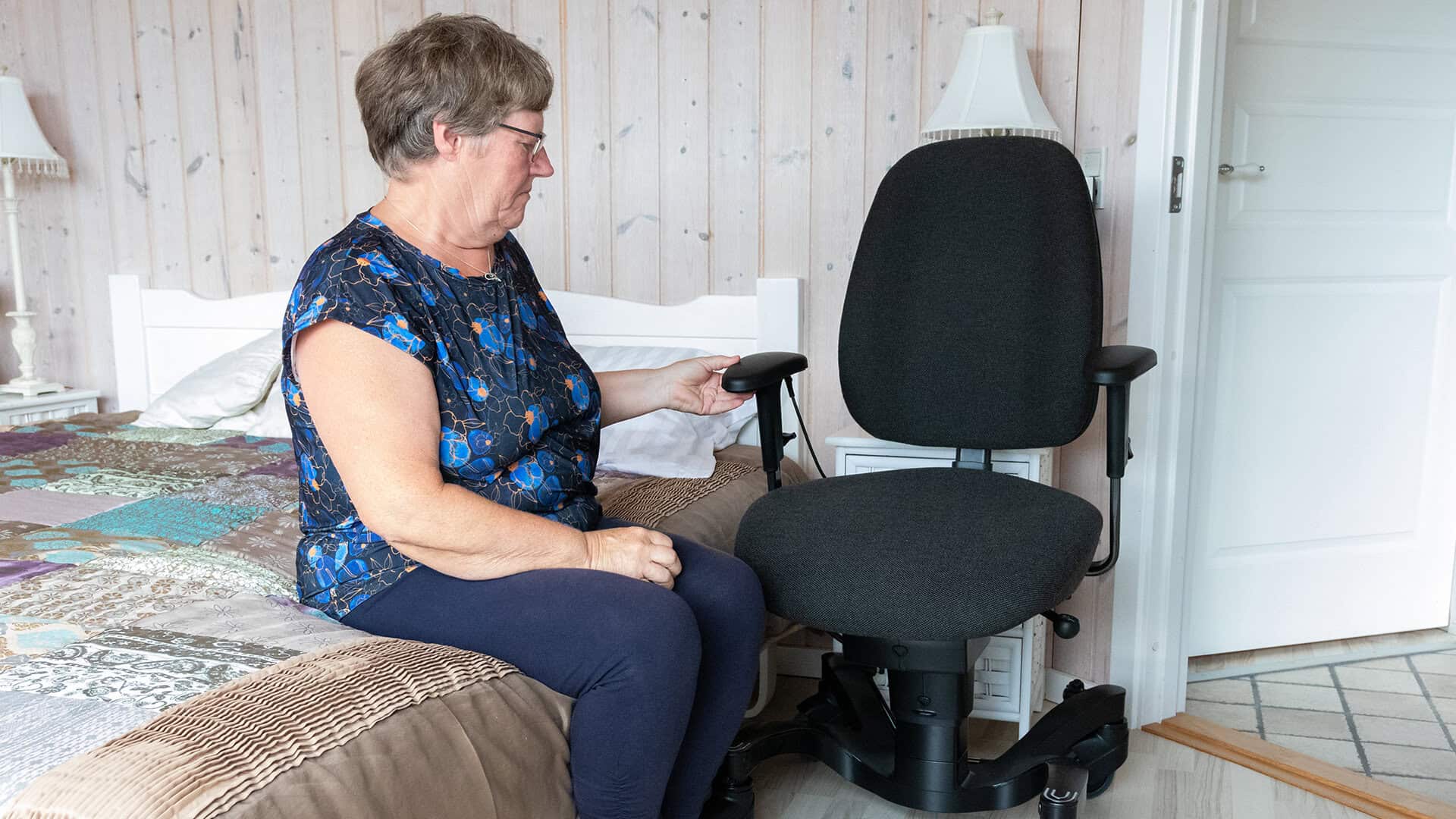
Remaining independent at home is a goal for many as they age, and innovations like the VELA Independence Chair help facilitate this aspiration. These chairs are specifically designed for elderly independence, offering features such as a central brake for safety, electric height adjustability, and ease of movement while seated. Such features significantly enhance daily living by allowing individuals to safely engage in activities like cooking or cleaning without needing constant assistance. The comfort and security of the VELA chair can also delay the necessity for nursing home placement by providing an adjustable support system that accommodates changing mobility needs. While VELA chairs are a viable option for many, it’s crucial to tailor solutions to each person’s unique circumstances, balancing independence with safety and dignity.
- Connecticut Public Act No. 24-141 (2024, effective 2026)
- CES 2026 Assistive Tech Exhibitors (Mobility Management)
- Assistive Technology Statistics (Market.us, 2025)
- Keyway Medical, 2025
- ThinkBeyondTheChair.org, 2025
- PubMed, 2025
- Connecticut Department of Health, 2025
- AHCA National Center for Assisted Living, 2025
- PR Newswire, 2025
- WHO, 2025