

Updated October 2025: We have updated the article with the latest information on advancements in AI-powered assistive devices, brain-computer interface prosthetics, smart mobility aids, recent regulatory changes to skilled nursing quality reporting, and current expert perspectives on technology integration in assisted living and skilled nursing environments.
What is the Difference Between Assisted Living and Skilled Nursing?
This question is crucial for families and seniors making significant long-term care decisions. With the senior population growing, understanding these distinct care models is vital. According to the National Institute on Aging, an increasing number of seniors transition from independent living to either assisted living or skilled nursing environments.
Comparing Care Levels: Assisted Living vs. Skilled Nursing
Understanding the nuances between assisted living and skilled nursing helps make informed choices. Assisted living provides support for daily activities such as bathing, dressing, and medication management, allowing residents to maintain independence with minimal medical intervention. Recent advancements in assistive technology, including AI-powered mobility aids and smart environmental controls, are increasingly integrated into assisted living, further supporting resident autonomy and safety.[2], [4], [8]
In contrast, skilled nursing facilities cater to seniors with complex medical needs requiring constant attention from health professionals. These facilities are equipped for comprehensive medical procedures, including wound care and respiratory therapy. Increasingly, skilled nursing environments adopt advanced assistive technologies like brain-computer interface prosthetics and robotic exoskeletons to enhance mobility and rehabilitation outcomes. For example, Mrs. Thompson, who moved from assisted living to skilled nursing after knee replacement surgery, exemplifies the essential transition for optimal recovery. More detailed insights can be found at Senior Living.[1], [3], [6]
Daily Life and Environment: Homey Settings vs. Clinical Care
The environment significantly impacts seniors’ experiences, underscoring differences between assisted living and skilled nursing. Assisted living facilities resemble residential communities with apartments, emphasizing social interaction and recreational activities, ideal for seniors valuing community involvement. Incorporation of smart mobility devices and adaptive technologies is enhancing resident engagement and access to these amenities.[8]
Conversely, skilled nursing facilities feature a clinical, hospital-like setting necessary for intensive medical care. These environments now increasingly utilize intelligent health-monitoring systems and ergonomic rehabilitation devices to promote patient safety and effective recovery. Imagine Mr. Harris, who thrived in assisted living’s social activities but required skilled nursing following surgery to ensure a structured, medically supervised environment. For further comparison, visit Eden Senior Health Care.[9]
Financial Insights: Weighing Costs and Coverage
Evaluating the financial aspects of these care options is crucial. Assisted living is typically more affordable than skilled nursing due to the care level differences. For instance, the average monthly cost of assisted living is lower compared to skilled nursing facilities, which require higher staffing levels for comprehensive medical care.
Payment mechanisms also differ significantly. Skilled nursing might be covered by Medicare for particular situations, while assisted living often relies on private funding or long-term care insurance. Regulatory context remains important, as Medicaid and Medicare coverage nuances continue to shape eligibility and financing options for both settings.[5] Families face tough decisions when comparing Medicare benefits with private pay options. For an in-depth look at costs, see Creative Solutions in Healthcare.
Who’s Taking Care? Staff Qualifications and Regulations
Staff qualifications in both settings are tightly regulated to ensure high-quality care. In assisted living, staff are trained to support daily activities in a residential environment. Conversely, skilled nursing requires highly trained medical teams capable of administering intricate care and utilizing advanced technology to facilitate improved rehabilitation and resident safety.
Recent updates from the Centers for Medicare & Medicaid Services (CMS) have modified nursing home quality reporting and star ratings as of July 2025, placing increased emphasis on care quality and transparency for skilled nursing facilities.[13] In Connecticut, for example, stringent state regulations ensure assisted living facility directors and staff meet specific educational and experiential standards, providing consistent care quality. Learn more from My Field Audits.
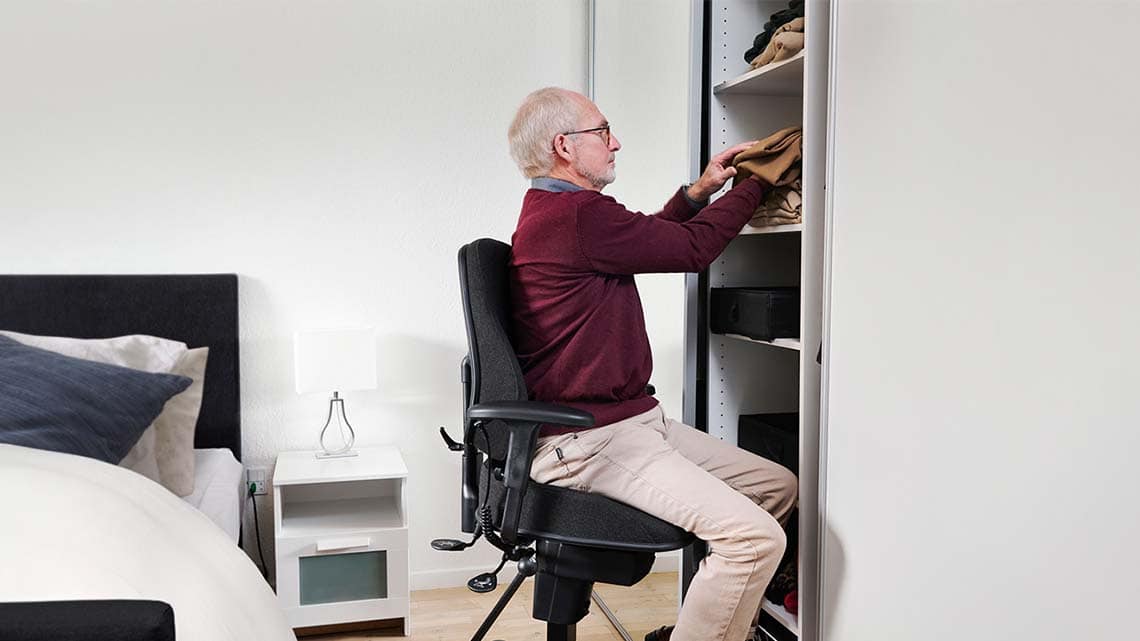
When families consider solutions that help older adults remain independent in their homes, they might explore supportive options like the VELA Independence Chair. This medically approved mobility chair is designed for home use, providing enhanced safety and freedom of movement while seated. It supports daily activities such as cooking, dressing, or transferring, significantly reducing the load on informal caregivers.
Transitioning Care Levels and Conclusion
Choosing between assisted living and skilled nursing involves evaluating the individual’s care needs and personal preferences. While assisted living fosters independence in a community-like setting, skilled nursing offers vital comprehensive care. Current trends emphasize integrating advanced assistive technologies to enhance autonomy, safety, and rehabilitation in both settings.[10] Understanding these differences helps families make informed decisions and alter care plans as needed, like transitioning from short-term skilled nursing back to assisted living.
Consulting healthcare providers when selecting the appropriate care environment is vital. For further guidance, see resources from Senior Services of America. By considering all factors, from medical needs to financial constraints, families can make decisions that best suit their loved ones’ well-being and lifestyle preferences.
Supporting Aging in Place: A Practical Option
For seniors, maintaining independence at home can contribute significantly to their quality of life. Products like the VELA Independence Chair provide practical mobility solutions that can extend the period a senior lives at home. Today’s innovations, including AI-powered wheelchairs, smart canes, and autonomous navigation technologies, further support aging in place by boosting user autonomy, safety, and comfort.[2] This chair features vital aspects such as a central brake for safety and electric height adjustability, ensuring ease of movement when seated. The enhanced safety features and effortless transfer assistance mean seniors can handle daily activities, like cooking or cleaning, with less strain and greater security. Such a tool not only supports dignity and autonomy but also acts as a boon for informal caregivers, reducing their burden. By facilitating ease of use for everyday tasks, VELA offers a proven, practical choice to support aging in place, though it’s essential to explore various solutions to find the best fit for each individual’s needs.