

Updated February 2026: We have updated the article to reflect 2025–2026 regulatory developments, including expanded staff training requirements and increased training standards for administrators in assisted living and nursing homes. Content regarding staff education, quality assurance, and a shifting regulatory focus toward transparency and higher care standards has been revised. No new assistive technology innovations or clinical practice updates have been added, as no such research was available for this period.
Updated October 2025: We have updated the article with new findings on technological advancements in assistive devices and rehabilitation, recent CMS regulatory updates for nursing homes, the integration of AI and sensor-based tools in both care settings, trends towards on-site and technology-assisted therapy, and strengthened requirements around staffing, medication management, health equity, and electronic disease reporting.
Understanding the differences between nursing homes and assisted living: a comprehensive guide
Choosing the appropriate care for an aging loved one is a significant decision that many families face. According to the National Institute on Aging, approximately 70% of Americans over the age of 65 will require long-term care at some point in their lives. Understanding the nuances between nursing homes and assisted living facilities becomes crucial. This article delves into the key differences between these two care settings, exploring care levels, services, costs, and ideal candidates for each option.
Comparing assisted living and nursing homes: key differences
Assisted living facilities are designed for individuals who are relatively independent but require assistance with activities of daily living (ADLs) such as bathing, dressing, and medication management. They focus on providing a supportive community environment while offering necessary support, featuring less medical supervision compared to nursing homes. According to A Place for Mom, nursing homes offer 24-hour medical care and are suitable for individuals with complex health needs who require constant medical supervision, including residents with severe cognitive impairments such as advanced dementia.
- An active senior, Jane, resides in assisted living and participates in social and recreational activities while receiving help with daily tasks like medication reminders.
- John, suffering from advanced dementia, resides in a nursing home where he receives round-the-clock medical care and supervision, crucial for his condition.
Services and amenities in assisted living vs. nursing homes
The services and amenities offered in these settings highlight further distinctions. Assisted living communities often boast diverse social activities and a vibrant community atmosphere, offering residents opportunities to engage, socialize, and stay active. They also provide meals, housekeeping, and transportation services. Recent developments reveal that assisted living facilities are increasingly providing access to medical and rehabilitation services, including on-site skilled nursing, therapy, and specialized care programs for residents who have transitioned from higher acuity care or who manage chronic conditions. There is also a notable trend toward the adoption of therapeutic technology in assisted living, such as AI-powered mobility aids, smart home integrations, and sensor-based rehabilitation devices tailored to the needs of individual residents, promoting independence and adaptability. Nursing homes continue to focus on providing intensive medical and rehabilitative care, including physical therapy and specialized nursing support, with recent regulations strengthening requirements related to staff qualifications, psychotropic medication oversight, and comprehensive quality assurance focused on health equity. Technology adoption in both settings is becoming standard, including tele-rehabilitation, sensor-based monitoring systems, and customizable ergonomic assistive devices, bridging gaps between medical care and independence.
Village Walk Senior Living, Arbor Company, Health Dimensions Group 2025 Report, Healthline 2025 Comparison, NCAL 2025 Assisted Living Regulatory Report
- Emma thrives in assisted living, enjoying daily communal meals and participating in group exercises and arts and crafts activities.
- In a nursing home, Robert benefits from tailored medical rehabilitation services that aid his recovery post-surgery, as noted by the National Institute on Aging.
Cost and payment options: navigating financial decisions
The financial implications of choosing between assisted living and nursing homes are substantial. Assisted living tends to be more affordable, with a national median cost of $4,500 per month, often funded through personal savings, long-term care insurance, or family contributions. Conversely, nursing homes can be significantly more expensive, with costs climbing to $8,500 or more per month for a semi-private room. Many low-income seniors rely on Medicaid to cover these expenses, according to Medicare.gov. Regulatory updates from the Centers for Medicare & Medicaid Services (CMS), effective March 2025, are increasing oversight and transparency of costs, staffing levels, and care quality in nursing homes through enhanced Care Compare reporting, stricter staffing compliance, required health equity initiatives in quality assurance, and expanded medication management review. New CMS mandates also require nursing homes to electronically report respiratory illness data via the CDC NHSN system as of January 2025, supporting greater safety and outbreak management.
CMS Revision Brief, CMS Care Compare Update, CMS NHSN Reporting Final Rule 2025, Healthline 2025 Comparison, NCAL 2025 Assisted Living Regulatory Report
- Margaret, a middle-income senior, opted for assisted living, which aligns with her financial resources and provides the level of support she requires.
- Conversely, Tom, with limited financial means, utilizes Medicaid to afford necessary nursing home care due to his chronic health conditions.
Choosing the right care: ideal candidates for each option
Deciding between assisted living and nursing home care should be guided by health needs, independence levels, and family preferences. Assisted living is ideal for seniors like Sarah, who have minor mobility issues but desire a vibrant social life with some assistance. With the expansion of on-site and personalized technological therapies, assisted living can now better accommodate those with moderate rehabilitation or chronic condition management needs through integrated therapy services and adaptive devices. In contrast, nursing homes best serve those like Peter, whose severe health concerns require comprehensive medical care and supervision, especially under enhanced CMS guidelines that raise requirements for admissions, resident rights, staffing, medication oversight, health equity, and regular electronic illness reporting. These regulatory changes, along with the increased focus on direct care staff training and new administrator education requirements seen in 2025, directly impact care quality and resident safety.
CMS LTC Surveyor Guidance, CMS Surveyor Guidance 2025, Healthline 2025 Comparison, NCAL 2025 Assisted Living Regulatory Report
- Sarah enjoys her independence in assisted living, staying socially active and receiving mild support for her mobility limitations.
- Peter requires the structured environment of a nursing home to manage his complex medical conditions safely.
Safety & fall prevention: protecting seniors from injury
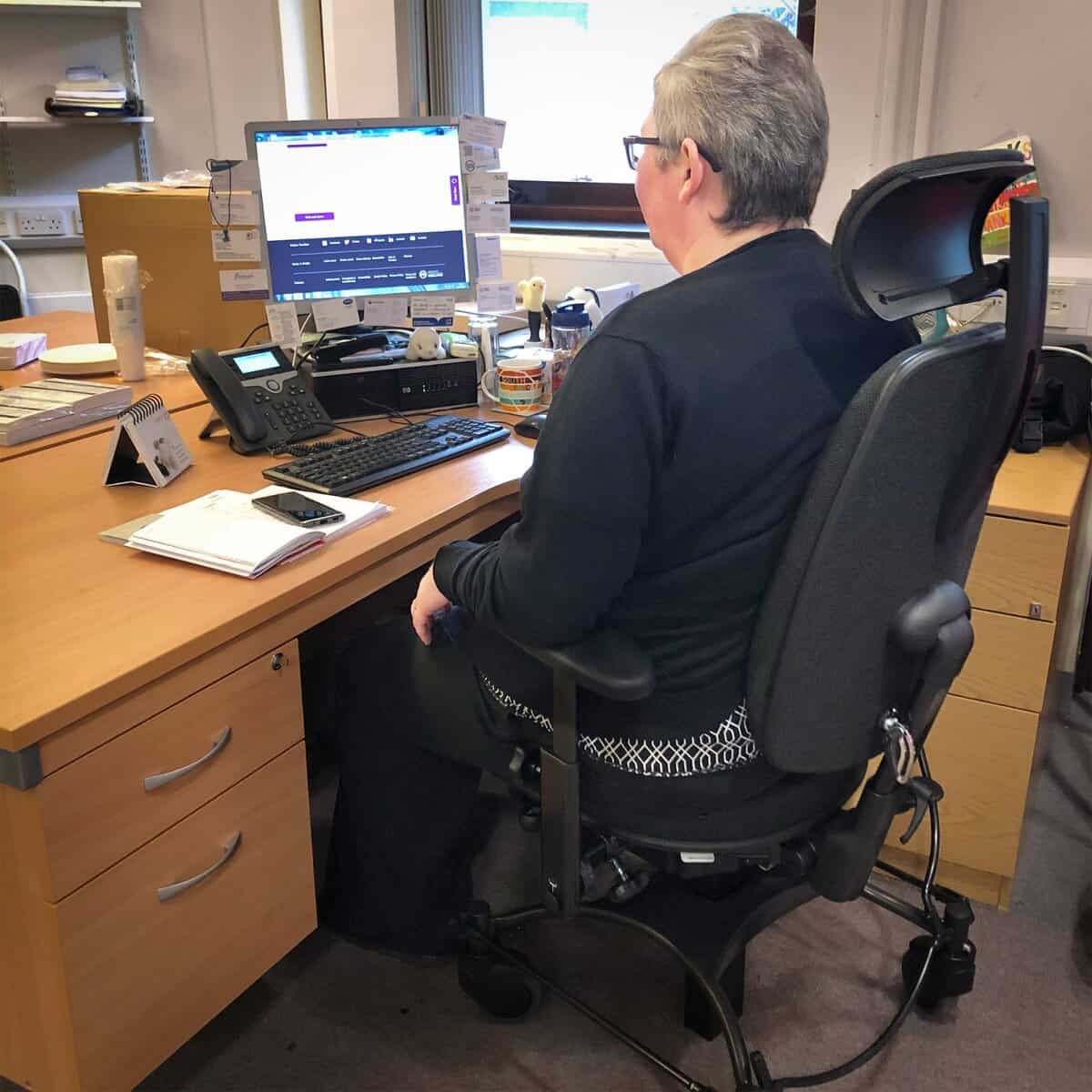
While nursing homes offer comprehensive medical care, transitioning to a more supportive environment at home can still be an option for many seniors. Such a transition involves considering solutions that foster independence while ensuring safety. One such solution is VELA chairs—medically approved mobility chairs designed for home use. These chairs provide enhanced safety and freedom of movement while seated, supporting daily activities like cooking, dressing, or transferring. Importantly, they reduce the physical demands on informal caregivers, fostering a balanced environment of independence and support. The increasing prevalence of ergonomic, sensor-based, and AI-supported mobility aids subsequently supports rehabilitation and personal adaptation for seniors both at home and within care facilities.
Recent geriatrics and assistive technology research literature, 2025
Supporting aging in place: a practical option
Modern mobility solutions like VELA Chairs offer a viable alternative for seniors aiming to remain at home rather than transitioning to a nursing home prematurely. Their unique features include central braking for stability, electric height adjustability for easy reaching, and the ability to move while seated. These capabilities are crucial for maintaining safety and energy, helping with various daily tasks such as cooking and relaxing comfortably. A life with a VELA Chair supports dignity and freedom, enabling older adults to navigate their home environment effectively. Though VELA isn’t the only solution, it stands as a practical and tested choice to help seniors live independently in their own homes. Mobility aids for seniors can further expand insights into maintaining independence at home.