

Updated February 2026: We have updated the article to highlight emerging innovations in assistive technology, including AI-powered mobility devices, brain-computer interfaces, smart accessibility systems, and recent CES 2026 trends relevant to both assisted living and skilled nursing environments. Previous regulatory updates and clinical perspectives remain unchanged, as no new policy or expert guidance was available in the latest research.
Updated October 2025: We have updated the article with new information on recent advancements in assistive technology, such as smart wheelchairs, wearable exoskeletons, and adaptive devices that improve mobility and independence in both assisted living and skilled nursing environments. Additionally, we have included updated perspectives on regulatory changes and quality of care metrics for nursing home facilities.
A Comprehensive Guide to Understanding the Differences Between Skilled Nursing and Assisted Living
Navigating the world of senior care can be challenging, particularly when trying to discern the differences between skilled nursing and assisted living. Making the right choice for an elderly loved one involves understanding these care options, their costs, and the services provided. According to National Institute on Aging, knowing the distinctions is essential for informed decision-making. Recent developments in assistive technology and care practices are also transforming these environments, enabling greater independence and personalized support for seniors[1].
What’s the Difference Between Skilled Nursing and Assisted Living?
The primary distinction between skilled nursing and assisted living lies in the level and type of care offered. Assisted living facilities are designed to promote independence while providing assistance with daily activities, such as dressing and meal preparation. They are ideal for individuals with mild cognitive impairment who benefit from social engagement and a certain degree of autonomy. In contrast, skilled nursing facilities are for those requiring intensive medical care, such as post-stroke rehabilitation or advanced dementia management. According to Senior Services of America, these homes’ clinical environments and specialized staff are critical differences.
While these core distinctions remain, the integration of advanced assistive technology—such as AI-powered mobility solutions and wearable rehabilitation devices—now enables more personalized monitoring, tailored therapy, and enhanced autonomy, even in higher-care settings. The ongoing emergence of AI-powered smart mobility devices, brain-computer interfaces, autonomous wheelchairs with lidar navigation, and adaptive bikes showcased at CES 2026 further support a person-centered and efficient approach to care in both assisted living and skilled nursing[2],[4],[1],[7].
Who Should Choose Assisted Living: Typical Resident Profiles
Assisted living is an appropriate choice for seniors facing mobility challenges or early stages of dementia yet desiring to maintain their independence. In these settings, residents often participate in community activities and enjoy the company of peers. Real-life scenarios include group exercise classes, communal dining, or engaging in hobbies within a supportive environment. The National Institute on Aging notes that these facilities emphasize socialization and community living.
Recent advancements such as smart mobility devices, AI-powered communication aids, and wearable tech now provide residents of assisted living greater opportunities for independent activity and communication. Devices like AI-powered wheelchairs, the MaaS-Bridge accessible transportation system, and smart glasses including AI and wearable sensors can personalize mobility, improve safety, and facilitate digital engagement for people with disabilities[2],[4],[6].
When Is Skilled Nursing the Right Choice?
Seniors with complex medical needs might find skilled nursing facilities more suitable. Conditions like advanced dementia, recovery from surgery, or chronic diseases requiring ongoing medical supervision often necessitate this level of care. The clinical setup offers around-the-clock health monitoring by trained medical professionals. In situations where intensive healthcare is needed—where the resident’s safety is paramount—skilled nursing becomes the superior option. SeniorLiving.org provides further insights into these environments.
Innovations in rehabilitation and monitoring technology—such as brain-controlled prosthetic devices, AI-driven health monitoring systems, wearable exoskeletons, intelligent nurse call adapters, and fall prevention sensor kits—are increasingly integrated into skilled nursing settings. These assistive tools make rehabilitation more adaptive, support safe mobility, and facilitate remote care management, helping patients engage in therapy and daily routines with greater autonomy[4],[8].
Key Differences in Care, Staffing, and Environment
Staffing and environment differences are significant: assisted living staff focus on aiding with daily tasks, whereas skilled nursing staff includes medical professionals managing complex healthcare needs. The physical settings also differ; assisted living centers often feature residential-like environments to foster a homely feeling, whereas skilled nursing facilities resemble medical facilities, akin to hospitals. More details are available from Senior Services of America.
The rise of smart devices and AI tools in both environments is changing staffing roles and resident experiences. AI-powered speech recognition, health monitoring, communication aids, and the integration of smart accessibility systems such as iSee assistive glasses enhance care staff capabilities by streamlining monitoring and allowing residents to maintain higher levels of independence. This ongoing technological integration is reflected in evolving care protocols[1].
Enhancing Independence in Assisted Living: Equipment and Mobility Solutions
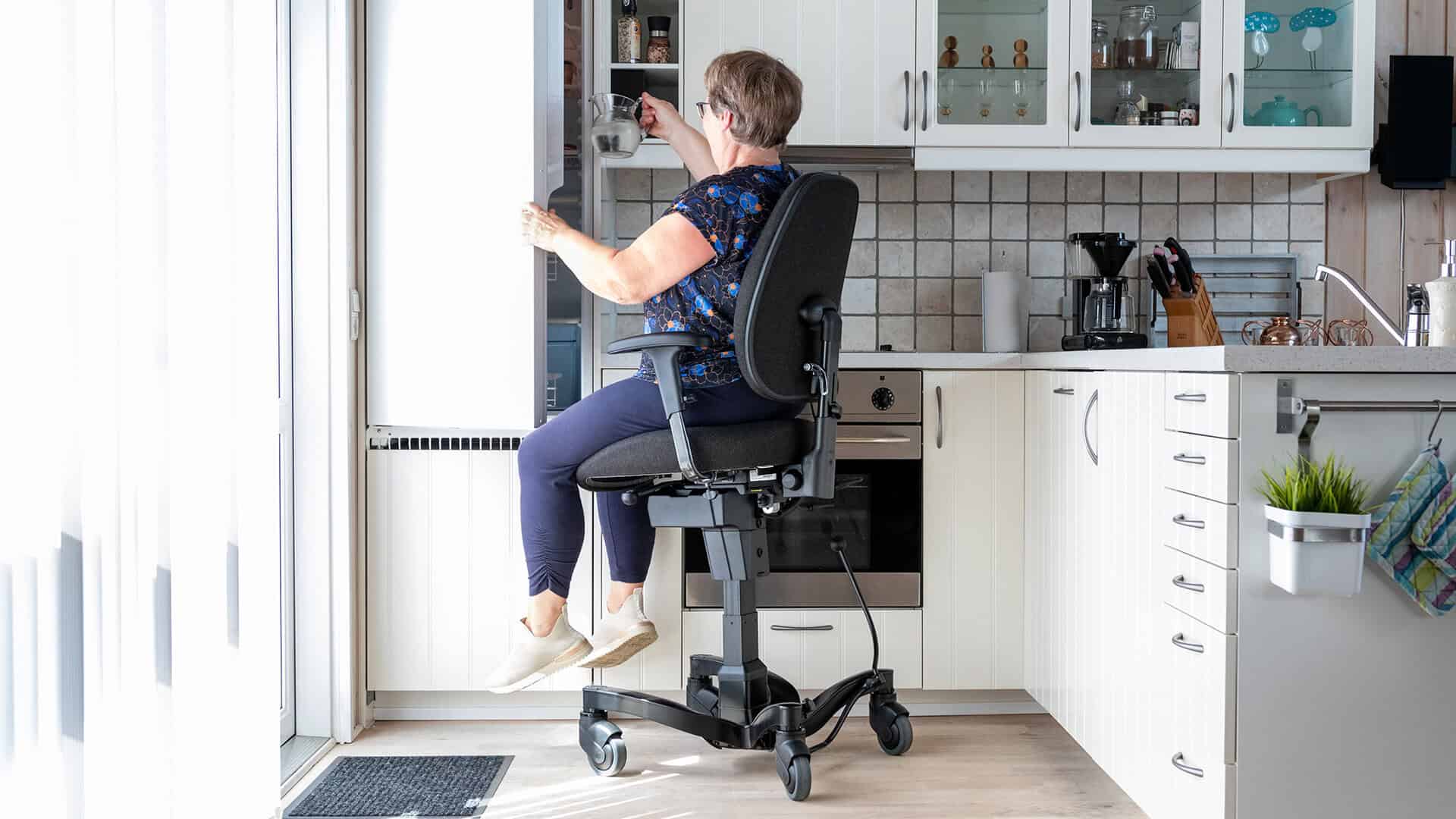
A critical aspect of supporting seniors in maintaining their independence, whether in assisted living or at home, lies in the availability of effective mobility aids. For older adults who wish to remain in their own environments, solutions like the VELA Independence Chair present a valuable option. The VELA chair is a medically approved mobility chair that enhances safety and freedom of movement while seated. It supports daily activities such as cooking, dressing, or transferring, while also lessening the strain placed on informal caregivers. By providing a sense of security and ease during daily routines, the VELA chair can extend a senior’s capacity to live independently.
Alongside specialized mobility chairs, recent 2026 advances in assistive technology include AI-powered wheelchairs with GPS and collision avoidance, autonomous wheelchairs with lidar navigation, brain-computer interfaces for paralysis, voice-controlled health monitoring systems, and adaptive exoskeletons. These capabilities are being accelerated by ongoing technology trends showcased at CES 2026. Together, these technologies extend independence and safety while providing remote customization, real-time feedback, and improved rehabilitation outcomes for users in both assisted living and skilled nursing settings[2],[4],[8].
Supporting Aging in Place: A Practical Option
For seniors committed to aging in place, the VELA Independence Chair offers a means to uphold dignity, freedom, and safety within their own homes. The chair’s features, such as a central brake for secure positioning, electric height adjustability, and smooth movement while seated, tackle common challenges like mobility, energy conservation, and safe transfers. These elements help delay the need for a transition to a nursing home by empowering seniors to manage everyday tasks, from cooking to cleaning, more comfortably. While the VELA chair is one practical solution, exploring various mobility aids allows for personalized adaptations that suit individual needs, helping preserve independence and reducing caregiver burdens. For seniors, maintaining autonomy means prolonging the enjoyable aspects of life at home.
With the latest advances in assistive technology—including AI-driven accessibility tools, smart rehabilitation devices, adaptive mobility solutions, and award-winning innovations like MaaS-Bridge and iSee smart glasses—aging in place and care facility living continue to be enhanced in 2026. These developments contribute to improved quality of life, communication, and autonomy for seniors in all settings[6],[4],[7].
- Cedar Hill Continuing Care Community, Vermont – Assisted Living vs Skilled Nursing (2025)
- Everything Medical Online – Latest Trends in Mobility Aid Technology, including AI-powered smart wheelchairs (2025)
- Think Beyond The Chair – Top assistive tech gadgets like AI smart glasses and brain-controlled prosthetics (2025)
- Robobionics – Overview of assistive tech startups innovating AI and wearable disability solutions (2025-2030 outlook)
- SeniorLiving.org – Care differences, resident independence, and medical intensity considerations (recent update 2025)
- PMC (PubMed Central) – Survey of assistive technology integration trends in mobility and rehab robotics (2025)
- WHO.int – Global trends in assistive technology and accessibility (2025)
- CMS Updates – Regulation, quality metrics, and performance ratings for nursing homes (2025)