

Updated October 2025: We have updated the article with important new regulatory changes for assisted living and memory care facilities, clarified rules concerning family financial liability, and included recent best practices on staff training, infection control, and the integration of ergonomic and assistive technologies.
Navigating liability in assisted living facilities
“Who is ultimately responsible for everything that happens in an assisted living facility?” This pivotal question often concerns residents and their families as they navigate the complexities of senior care. With an aging population, the demand for these facilities continues to grow. According to the U.S. Department of Health and Human Services, over 800,000 Americans reside in assisted living facilities, highlighting the importance of understanding these responsibilities to ensure the safety and well-being of loved ones.
Understanding legal responsibility in assisted living facilities
A facility’s legal duty of care is critical to its operations. This entails creating a safe environment and preventing harm to residents. In Texas, for example, the Health and Safety Code Chapter 247 mandates facilities deliver high-quality care. Nationwide, the implications of this duty manifest through numerous real-life cases where facilities faced legal action for failing to uphold care standards, leading to resident harm. Such instances underscore the significant legal and ethical responsibilities these institutions bear—a failure resulting in liability could have severe consequences.
Importantly, regulations and oversight are evolving, and the landscape of assisted living facility requirements has seen notable changes as of mid-2025. Current oversight remains a state-led function, with each state determining regulatory frequency, staffing ratios, training, and inspection practices. Recent updates in 29% of states from mid-2023 to mid-2024 reflect an ongoing effort to increase safety, quality of care, and reporting transparency for families and regulatory bodies.[1] Additionally, infection control protocols, dementia care education, and electronic visit verification are gaining traction as mandatory compliance measures in many jurisdictions.[12]
Role of facility administration and staff in resident care
Facility administration plays a pivotal role in day-to-day operations and bears primary responsibility for resident welfare. This includes implementing rigorous hiring processes, ensuring comprehensive staff training, and maintaining a safe environment. Unfortunately, issues like inadequate staffing can lead to lawsuits due to insufficient care. For instance, a lack of staff might result in delayed assistance for residents, increasing the risk of falls or other injuries. As noted by Senior Justice, negligence in any of these aspects can lead to substantial liability.
In several states—most notably Arizona—new regulations for memory care licensing (effective July 1, 2025) require facilities providing this care level to obtain a specialized subclass of licensure. This legislative shift includes mandatory staff training (a minimum of 8 hours specific to memory care), ongoing bi-annual medical certification confirming resident appropriateness for memory care, and the provision of environmental safety features such as secure signage and elopement prevention systems. The goal is to enhance both staff competence and resident safety in line with regulatory demands.[2][6][8][10]
Financial responsibilities and liabilities
In assisted living contexts, understanding the distinction between care and financial liability is crucial. Many contracts involve a “responsible party,” which can extend financial liability to family members who sign them. This can lead to disputes over costs not covered by resident payments, adding complexity to financial arrangements, as depicted by A Place for Mom. Clarity in these agreements is essential to prevent misunderstandings.
However, newly issued federal and state guidance as of April 2025 explicitly clarifies that family members who sign as the “responsible party” in assisted living or nursing home contracts cannot be held personally liable for facility debts. This update ensures that operational and financial responsibility for the resident’s care, and any outstanding payments, legally remains with the facility itself rather than the family, regardless of contract language or facility requests for payment.[3]
Insurance and risk management strategies
To mitigate risks, many facilities maintain comprehensive insurance portfolios, including professional liability and commercial insurance. These coverages are crucial, as they not only fulfill the facility’s legal obligations but also protect against financial repercussions from incidents like staff errors in care. In certain situations, insurance has safeguarded facilities from significant financial loss, ensuring continuity of care amidst challenges.
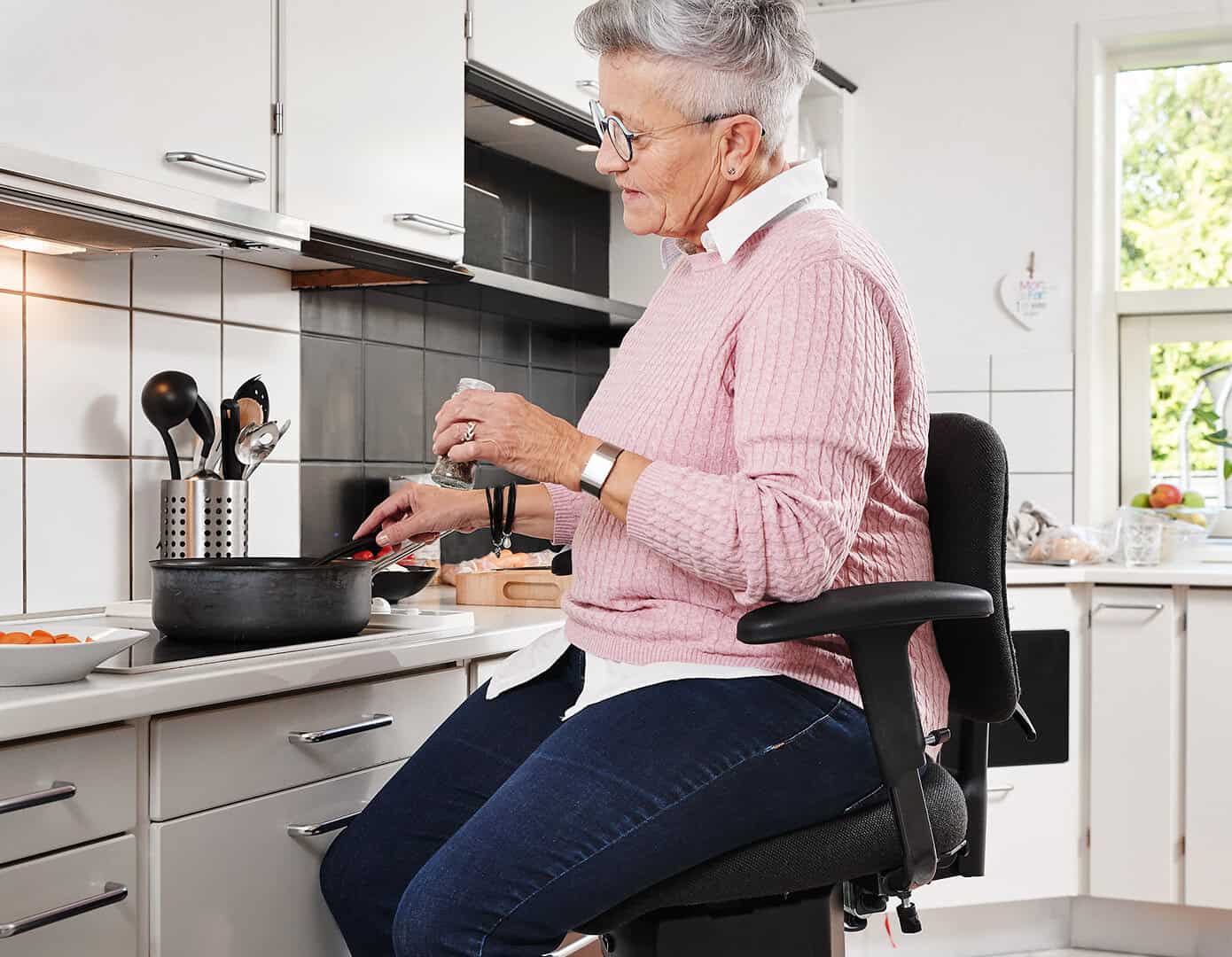
As facilities grapple with these responsibilities, adapting strategies that include mobility aids like the VELA Independence Chair presents a progressive solution. The VELA is a medically approved mobility chair designed for home use, enhancing safety, freedom of movement while seated, and supporting daily activities such as cooking, dressing, or transferring—all while reducing the caregiving load on family members. By ensuring mobility and independence, VELA chairs represent a beneficial alternative to managing risks commonly faced in nursing environments.
The importance of mobility solutions
Facility staff are integral to ensuring resident safety, which includes employing mobility aids to prevent falls—a common incident causing severe injuries in senior care environments. By integrating advanced solutions like VELA mobility chairs, which enhance resident autonomy and minimize fall risks, facilities can better uphold their duty of care. Implementing such aids signifies a proactive approach to minimizing potential liabilities, ensuring safer living conditions.
As more seniors seek to maintain independence outside traditional care facilities, mobility solutions like the VELA Chair offer a practical alternative that can delay the need for assisted living. These chairs incorporate features such as a central brake for enhancement in safety, electric height adjustability for easy transfers, and ease of movement, which are crucial in everyday activities like cooking or cleaning. Life with a VELA Chair is enriched by the autonomy and safety it provides, allowing seniors to perform daily tasks with dignity and energy conservation. While VELA is not the only option available, it is a proven, practical solution that supports a dignified, more independent living arrangement at home, nurturing values of freedom and personal safety.
References
- Seniorsite.org – 2025 assisted living facility requirements guide
- Arizona Legislature – HB 2764 establishing memory care licensure subclass and enforcement
- Nursing home liability guidelines restricting family financial responsibility
- Arizona Department of Health Services & ADHS updates on assisted living regulations
- Arizona Department of Health Services & ADHS updates on memory care
- Snell & Wilmer LLP – Arizona’s memory care service rule changes
- Davis Miles Law Firm overview of new memory care legislation in Arizona
- CareAcademy overview of new rules for assisted living facilities