

Updated February 2026: We have updated the article to reflect the latest developments at Willamette View, including the pending foundation merger and asset transfer, new Heron Heights cottage expansions with modern ergonomic amenities, interior renovations, and improved campus accessibility, as well as refreshed descriptions of inclusive design features in senior living environments.
Updated October 2025: We have updated the article with the latest developments in AI-powered assistive technologies, sensor-integrated mobility aids, advances in smart home and environmental controls, universal design enhancements, expanded rehabilitation options including VR/AR and tele-rehab, and new regulatory and coverage policies for senior mobility support.
Willamette View Assisted Living: A Comprehensive Choice for Portland Seniors
When exploring assisted living options in the Portland area, Willamette View Assisted Living consistently stands out as a premier selection. It’s not just the picturesque location that distinguishes it but also its unwavering dedication to delivering tailored comprehensive care to meet the diverse and evolving needs of the senior population. Notably, Oregon’s senior demographic is projected to increase by 105% by 2050. Willamette View is proactively prepared to meet this demand with its broad array of offerings. According to official sources from Willamette View, they offer 140 distinct floor plans, ensuring every resident finds a residence that aligns with their individual preferences.
Discovering the Perfect Living Space at Willamette View
Willamette View provides an exceptional variety of living arrangements, from cozy one-bedroom apartments to expansive three-bedroom residences, each crafted for elegance and utility. Design features such as 9-foot ceilings and private balconies amplify the living experience by offering both comfort and autonomy. Community expansion has continued with the introduction and completion of the first phase of Heron Heights cottages in Fall 2025, with a second phase underway in 2026. These new residences feature modern ergonomic amenities including open floor plans, covered patios, energy-efficient appliances, and direct access to walking paths, all enhancing accessibility and inclusive design for residents. Residents often share positive experiences about finding their ideal living spaces. For example, John, a senior resident with mobility challenges, found a floor plan that featured wider doorways and open areas, facilitating easy mobility with his walking aids.
The ability for seamless transitions is a cornerstone at Willamette View. Couples moving from independent to assisted living can stay within the same community, maintaining continuity and familiarity—a valued aspect by many. For a comprehensive overview, visit their independent living page.
Holistic Care Services for Every Resident’s Needs
Care at Willamette View is distinguished by its personalized approach rather than a one-size-fits-all method. The facility offers extensive services, such as continuous 24/7 staff support and individualized care plans that transcend basic needs to genuinely enhance the quality of life. Residents benefit from updated approaches that now incorporate frequent technology assessments and evaluations, ensuring that all adaptive technology needs are recognized and addressed in line with the latest Oregon Health Authority requirements. The care team leverages new clinical guidelines to provide on-site therapies focusing on recovery and rehabilitation, supported by multi-disciplinary teams and remote monitoring solutions. The most recent care update includes integration of advanced assistive devices such as AI-powered gait trainers, wearable exoskeletons with embedded sensors, and real-time health monitoring. These technologies personalize physical therapy and assist in balance, strength, and fall prevention efforts far beyond what was previously available with conventional mobility aids. In addition, smart home features including adaptive lighting, voice-activated assistance, and customizable environmental controls are becoming standard in updated living spaces, improving autonomy for residents with disabilities.
Consider Mary, a resident recovering from surgery. She took advantage of in-patient therapies offered on-site without the stress of departing from her community, thanks to the integrated health services at Willamette View. Recent advances now offer residents options such as tele-rehabilitation and real-time health monitoring to further support recovery and independence.
This smooth transition to higher care levels is highly commendable, as detailed on their assisted living page.
Engaging Community Life and Unmatched Amenities
The vibrant life at Willamette View is complemented by an array of amenities and communal activities. Residents enjoy access to multiple dining venues, such as the White Oak Grill, and participate in fitness and recreational activities like swimming in the indoor pool or unlocking their creative potential in the arts studio.
Community events and social opportunities bring the community to life, fostering social connections and mental well-being. Emma, a resident, expressed how attending arts classes and dining with friends at these venues has brought a newfound joy and engagement to her daily life. Resident feedback is increasingly supportive of innovations that allow for privacy, autonomy, and seamless technology integration. The newest rehabilitation approaches now include virtual reality (VR) and augmented reality (AR) therapies, which promote cognitive and motor function, and can be delivered directly in assisted living settings or via tele-rehabilitation platforms. Facility-wide improvements have also included renovation of supportive living interiors and the introduction of improved functional signage and wayfinding on campus, making it easier for all residents, including those with mobility or cognitive challenges, to navigate shared and private spaces. For more resident stories, visit Willamette View.
Innovative Solutions for Independent Living
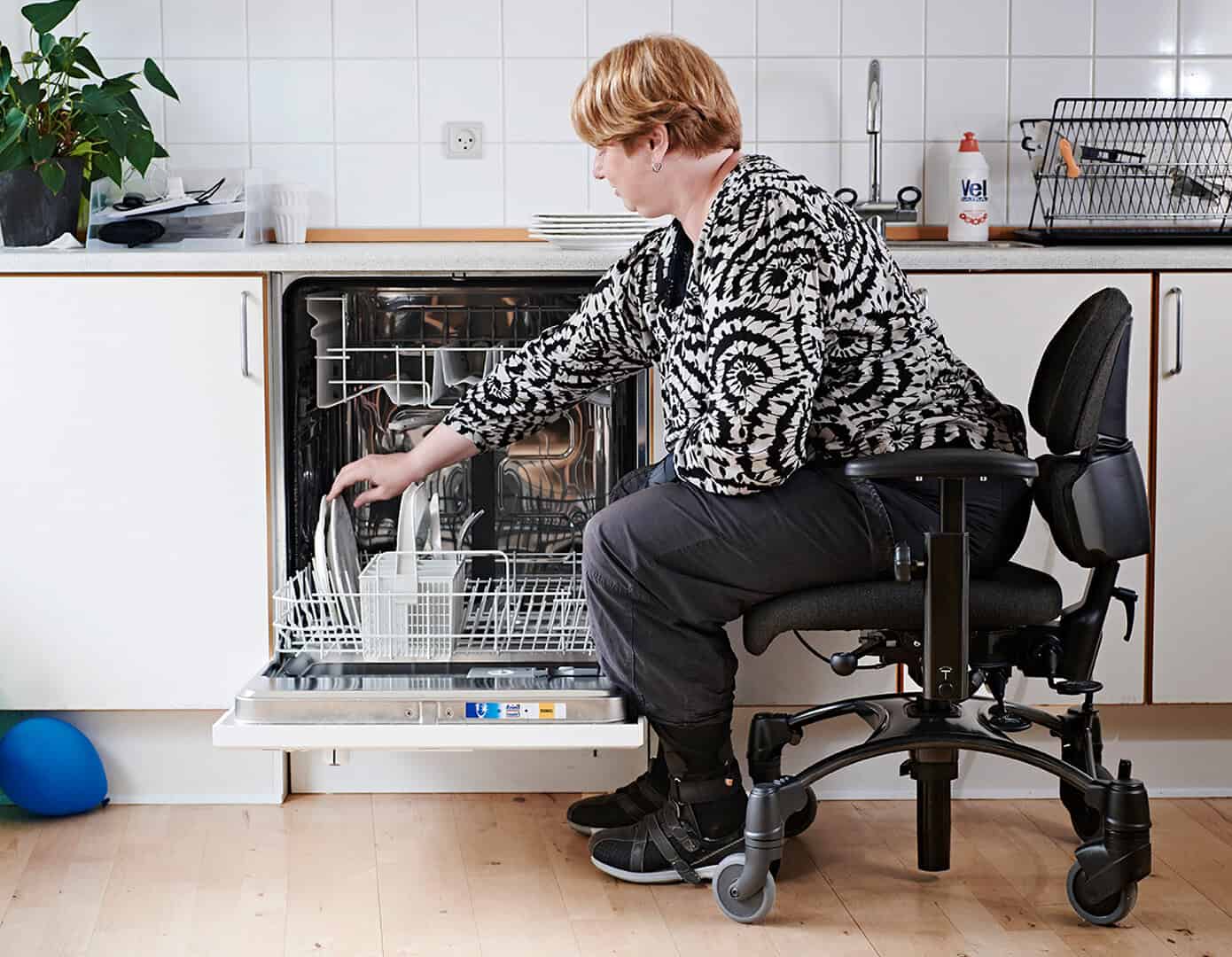
Navigating the complexities of aging often requires innovative solutions that empower individuals to maintain their independence. Modern care strategies at Willamette View now emphasize the use of adaptive ergonomic devices and modular assistive technologies that can be customized as needs change over time. The community actively monitors advances in AI-driven care, wearable sensors that track gait and detect falls, and home-friendly mobility supports. VELA chairs serve as a practical solution by offering medically approved mobility support that bridges this gap. Designed for home use, VELA chairs enhance safety and freedom of movement while seated, supporting daily tasks like cooking, dressing, or transferring, and reducing the caregiving load for family members. By investing in such mobility aids, seniors can continue enjoying life in familiar surroundings.
Staying Independent at Home with Support
VELA Chairs exemplify how innovative mobility solutions can keep individuals independent longer in their homes. These chairs, with features like a central brake for safety and electric height adjustability, address common mobility issues, enhancing safety, energy efficiency, and ease of movement. Integrated with the newest trends in assistive technology—including AI-enabled wearable sensors and remote monitoring—these solutions deliver real-time feedback that helps improve mobility and reduce the risk of hospitalization. For instance, simple tasks such as cooking or cleaning become more manageable, extending the period seniors can reside independently. Further, the intuitive design aids in smooth transfers and posture maintenance, which can delay the need for institutional care. While VELA is not the only option, it represents a trusted, practical choice that champions dignity and freedom for seniors wishing to age comfortably in place. Integrating such mobility aids for seniors enhances their daily living experience significantly.
Sources:
- Willamette View Terrace (Seniorly) – Updated Jan 24, 2026
- Latest News | Willamette View Foundation (asset transfer announcement)
- Willamette View Community Expansion Update (Aug 27, 2025)
- Improved Accessibility Signage (Ankrom Moisan Architects)
- PubMed studies (2025–2026) on AI-enabled wearable sensors for senior mobility monitoring and fall prevention
- WHO assistive technology guidelines for older adults, updated 2025–2026
- Oregon Health Authority: 2025 assisted living regulatory updates
- MayoClinic.org and Healthline.com: advances in tele-rehabilitation and ergonomic design for seniors (2025)
- Harvard Medical School: inclusive design and multi-disciplinary rehabilitation approaches in assisted living (2025–2026)
- White papers from accredited accessibility and rehabilitation research centers on user feedback and adoption trends post-2025
- CDC 2025 guidelines on fall risk management and assistive technology in elder care
- MedlinePlus.gov updates on Medicare and Medicaid policy changes affecting coverage of advanced assistive devices and tele-rehabilitation
- Rehabilitation Engineering and Assistive Technology Society of North America (RESNA) 2025 whitepapers on universal design in senior housing
- Harvard Health Publishing 2025 reviews on VR and AR applications in elderly rehabilitation