

Updated February 2026: We have updated the article to reflect the most recent information available regarding Wilson Commons’ amenities, pricing, and Wisconsin caregiver support programs as of early 2026. No new scientific advancements or clinical guidelines in assistive devices or senior care have been identified since May 2025.
Updated October 2025: We have updated the article to reflect recent advances in AI-powered assistive technologies, wearable mobility and communication aids, integration of immersive rehabilitation tools, and new guidelines prioritizing inclusive, user-centered design in assisted living.
Discover Wilson Commons: A Premier Choice in Assisted Living
Nestled in the heart of Milwaukee, Wisconsin, Wilson Commons stands out as a premier assisted living facility known for its dedication to enhancing the lives of its residents. Renowned for its exceptional service and scenic location near Wilson Park, Wilson Commons was recognized as a top choice in assisted living by the Milwaukee Journal Sentinel in 2023. Additionally, Wilson Commons ranks among the top 25 largest Milwaukee-area retirement communities, according to the Milwaukee Business Journal. Let us explore what makes Wilson Commons a standout option in senior living.
Personalized Care at Wilson Commons: A Focus on Independence
Wilson Commons prioritizes personalized care that fosters resident independence while offering essential support. Capri Communities explains that the facility provides 24-hour on-site care staff and on-call nursing support, ensuring residents’ safety and well-being at all times. Daily support services include nutritious meals, housekeeping, and an emergency call system, enabling residents to live freely without sacrificing comfort.
Living Spaces and Community Amenities: Enhancing Quality of Life
The living arrangements at Wilson Commons are thoughtfully designed to enhance residents’ quality of life. Each apartment features full kitchens, private bathrooms with walk-in showers, and select units even offer patios or balconies with views of Wilson Park, as noted by Caring.com. Residents can enjoy the tranquility of the outdoors, perhaps taking a stroll through the pet-friendly environment or relaxing in the community room during social gatherings.
Wilson Commons also provides a wealth of amenities, including a fitness room, chapel, library, and full-service salon, all contributing to a holistic and fulfilling lifestyle for its residents.
Understanding Costs and Promotions: Value in Assisted Living
Affordability is a crucial consideration for potential residents and their families. According to Family Assets, Wilson Commons offers a diverse pricing structure, with rates ranging from $1,150 to $7,604, averaging around $5,117 monthly. Additional sources in early 2026 indicate current cost estimates starting at $4,290 monthly, which is noted to be lower than the Milwaukee average.[2] These figures keep Wilson Commons in a competitive position compared to local assisted living options. Besides ongoing promotions such as the “Spring into Savings” offer, potential residents may also benefit from Wisconsin-specific programs such as respite care options (around $65 per day for adult day care) and veteran benefits, where eligible individuals may receive up to approximately $2,642 per month in cash assistance.[1]
Enhancing Mobility and Safety: The Role of VELA Chairs and New Assistive Technologies
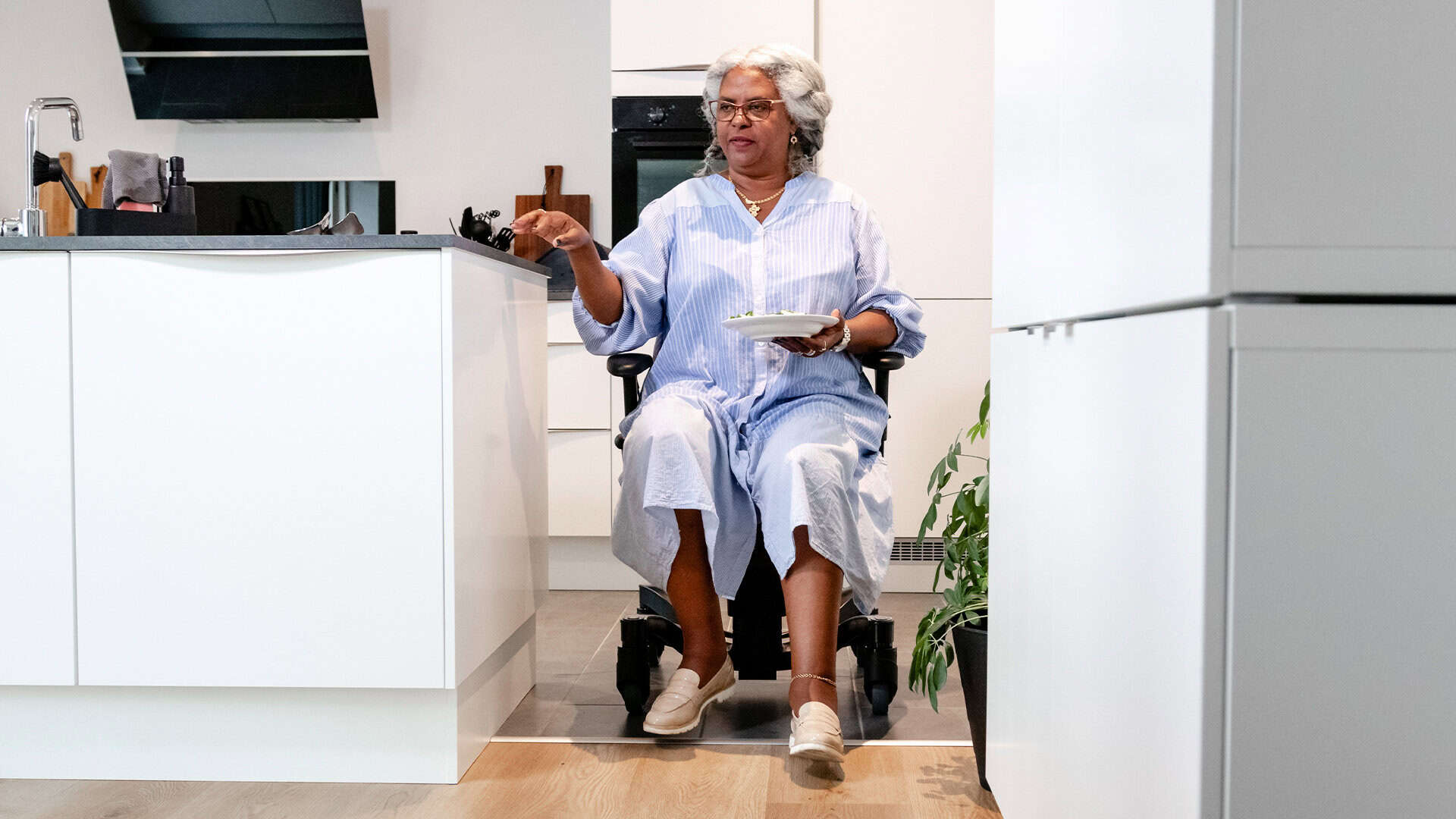
As many seniors face challenges in maintaining independence and safety within nursing homes or assisted living environments, finding solutions that allow older adults to remain autonomous in their own homes becomes imperative. One such solution is the VELA chair, a medically approved mobility chair designed for home use. It offers enhanced safety, freedom of movement while seated, and support for daily activities such as cooking, dressing, or transferring. By reducing the load on informal caregivers, VELA chairs play a crucial role in promoting an independent lifestyle for seniors, providing peace of mind for both the residents and their families.
Recent advancements have broadened available options for mobility, communication, and rehabilitation within assisted living. AI-powered assistive technologies, such as smart glasses and AI voice assistants, provide real-time navigation, object recognition, and information retrieval for individuals with visual or mobility impairments. Brain-computer interface prosthetics and wearable haptic devices now support intuitive control, augmenting independence and recovery for users after injury or surgery. Immersive tools using augmented and virtual reality are increasingly utilized in rehabilitation therapies, strengthening orientation and functional skills through interactive practice. Direct user involvement in product development and adherence to updated clinical frameworks ensures that these technologies are accessible, inclusive, and effective for the diverse needs of seniors in assisted living environments. [1] [2] [3] [4] [5] [6] [7]
Supporting Aging in Place: A Practical Option
Staying independent at home can be significantly enhanced by incorporating smart mobility solutions like VELA chairs. These chairs feature a central brake for added safety, electric height adjustability, and allow ease of movement while seated. Such features address critical concerns such as safety, energy conservation, and efficient transfers, enabling a delayed need for nursing home care. The presence of a VELA chair transforms everyday routines, from cooking and cleaning to simply relaxing, into manageable tasks, upholding values of dignity and freedom. While VELA is among the proven solutions, its user-friendly design empowers seniors, paving the way for a fulfilling life within their own homes.
Alongside established aids, the increasing adoption of AI-enabled devices and user-centered rehabilitation technology further improves safety, independence, and overall quality of life for seniors who wish to age in place or in an assisted environment. These innovations, evolving in line with regulatory updates and clinical best practices, continue to shape the future of care for individuals with reduced mobility or disabilities. [5] [6]
Explore solutions for assisted living and supportive home care with insights from Mobility Solutions for Assisted Living and understand fall prevention strategies for seniors with Safety Measures in Assisted Living.