

Updated February 2026: We have updated the article to include the latest trends in assistive technology and senior care, such as AI-integrated mobility and safety devices, smart bathroom systems, telehealth-capable equipment, voice-activated controls, cognitive support technologies, and advanced wearable emergency response systems. These advancements provide enhanced safety, independence, and quality of life for seniors in Yonkers assisted living communities and at home.
Navigating the Yonkers Assisted Living Landscape
In Yonkers, the landscape of assisted living options is expanding, catering to the area’s significant senior population. Approximately 17% of Yonkers residents are aged 65 or older, underscoring the substantial demand for quality senior care services. According to Neilsberg, understanding this demographic helps in planning and enhancing living and care options for seniors. Financial considerations are a crucial part of decision-making, with the average cost of assisted living in Yonkers being around $6,966 per month. This statistic is provided by Seniorly.
A Dive into Assisted Living Facilities
The diversity of assisted living communities in Yonkers offers various services tailored to specific needs. Notable facilities include Five Star Premier Residences and Sunrise of Crestwood. At Five Star Premier Residences, residents can enjoy a variety of dining options and housekeeping services, crucial for both assisted and independent living. Sunrise of Crestwood provides specialized care in assisted and memory care environments, promoting a rich social life. For instance, a resident named Mary participates in daily planned activities that significantly enhance her quality of life. These facilities adhere to state standards set by the New York State Department of Health.
Financial Considerations and Service Offerings in Yonkers
Financial planning is integral to selecting assisted living options. While the average monthly expenditure is about $6,966 in Yonkers, the actual cost can increase with additional healthcare services, reaffirmed by Seniorly. It is essential for families to plan accurately, potentially integrating long-term care insurance to offset costs. As per the guidelines from the New York State Department of Health, proper planning aids in reducing financial stress.
Understanding Services Provided
Essential assisted living services include meal preparation, social activities, transportation, and assistance with daily living. These comprehensive services create an environment conducive to elderly well-being. For example, the Smiths managed their transition to assisted living smoothly by incorporating long-term care insurance, which alleviated financial stress.
Quality Assurance in Yonkers Assisted Living Communities
Evaluating the quality of assisted living involves considering several factors, including licensing, staff qualifications, and social engagement opportunities. For example, at Sunrise of Crestwood, Jane benefits from a robust schedule of activities and skilled staff, providing reassurance against state-defined quality criteria. Insights from A Place for Mom emphasize the importance of these factors in decision-making.
Advancing Resident Independence with VELA Mobility Solutions and New Technologies
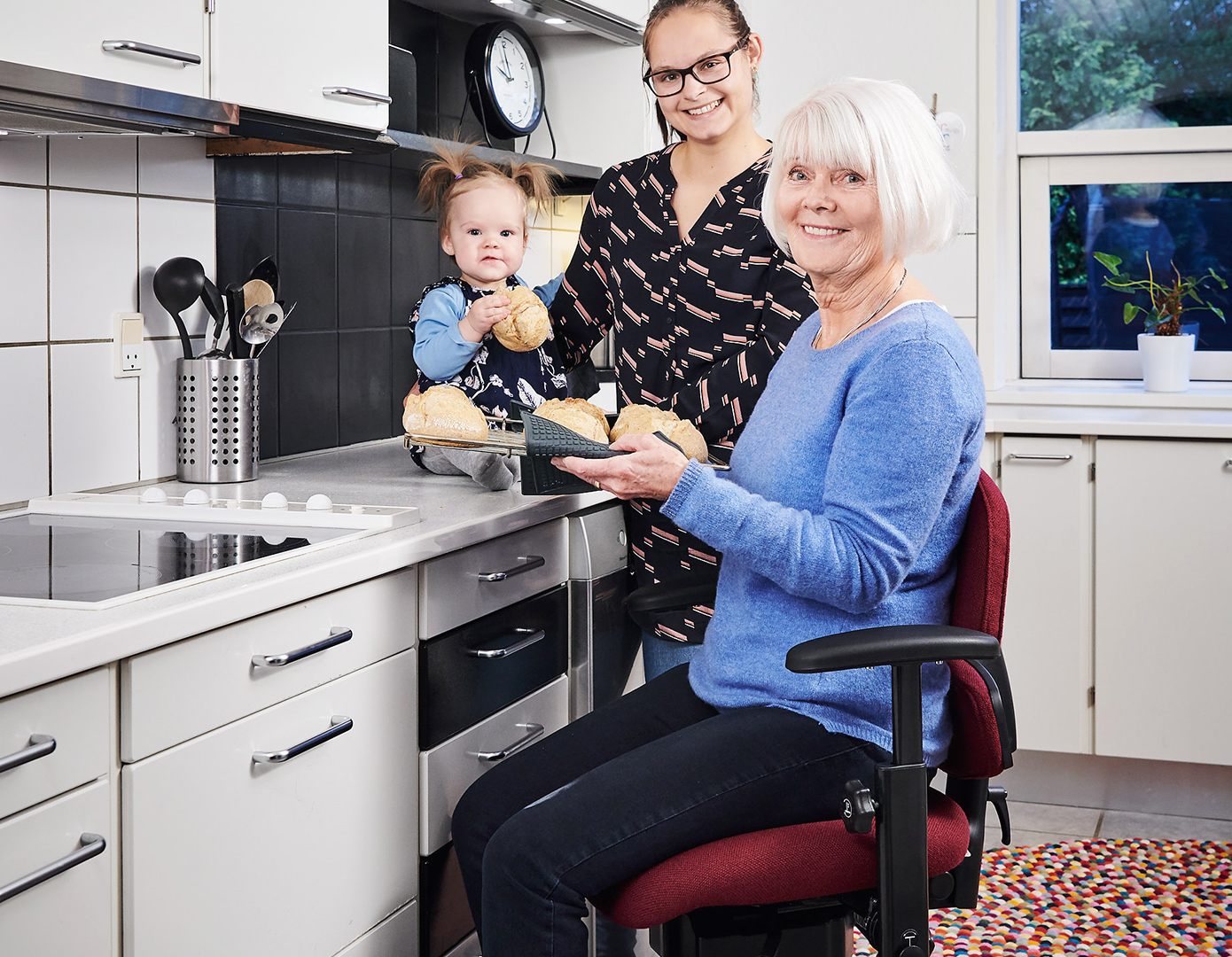
As seniors strive to maintain autonomy, safety, and quality of life, certain challenges arise, particularly when moving into nursing homes that may limit independence. Solutions that offer greater mobility are essential in helping older adults remain self-reliant in their own homes. Among these, the VELA Independence Chair is noteworthy. It is a medically approved mobility chair designed for home use, enhancing safety and freedom of movement while seated. This solution supports daily activities such as cooking, dressing, or transferring, and reduces the caregiving load on family members.
Recent advancements in the assistive device market now further support independence for seniors. AI-integrated mobility and safety devices are now standard in senior care settings. Smart walkers, wheelchairs, and mobility scooters commonly use real-time obstacle detection, terrain adaptation, and fall-risk monitoring through embedded sensors and AI algorithms. Powered wheelchairs can automatically adjust speed and braking based on environmental conditions and user movement patterns. Furthermore, smart bathroom safety systems are a critical innovation area, featuring pressure-sensitive grab bars, anti-slip flooring with embedded lighting, and adjustable-height shower seats that communicate with caregivers via mobile applications.
There is also a significant increase in telehealth integration within durable medical equipment. Devices are capable of transmitting health data, including blood pressure and glucose levels, directly to healthcare providers, supporting remote monitoring and helping to reduce unnecessary hospital visits. Voice-activated controls are increasingly standard, enabling hands-free operation of mobility and home medical equipment, which is particularly beneficial for seniors with limited dexterity and for caregiver oversight. Cognitive and memory support technologies now include AI-powered voice assistants in medical equipment for reminders, appointment scheduling, and wearable cues for those with cognitive impairments.
Smart hospital beds with dynamic pressure-relief systems and repositioning sensors have become recommended for reducing pressure ulcers among immobile seniors. Wearable emergency response systems have evolved as well, with smartwatches that include automatic fall detection and can notify both caregivers and emergency services when necessary. These trends align with the increased focus on personalized, inclusive product design, ensuring solutions meet individual needs and empower seniors to remain active and confident. For more detail consult the World Health Organization, National Institute on Aging, and technology updates from the AARP AgeTech Summit.
The Role of VELA Chairs
VELA chairs enhance resident stability, facilitating better participation in daily activities. By providing ergonomic seating that supports independence, these chairs play a pivotal role in improving life quality. This is reinforced by insights from VELA. In addition, innovative mobility aids and cognitive health tools now available on the market provide further options for seniors and caregivers looking for tailored, effective solutions. New features such as voice-activated controls and integration with wearable emergency response systems further support safety and ease of use in daily routines.
Making Informed Decisions
Making informed decisions in Yonkers’ assisted living involves analyzing financial, quality, and service dimensions. A comprehensive understanding and thorough research, according to Oasis Senior Advisors, can greatly enhance the senior living experience. As the industry evolves, staying informed is paramount to ensuring the best outcomes for loved ones.
Supporting Aging in Place: A Practical Option
Staying independent at home is a cherished goal for many seniors, and VELA Chairs support this aspiration effectively. These chairs offer features like a central brake for safety, electric height adjustability, and ease of movement while seated, addressing common issues like safety, energy conservation, and ease of transfer. Without the VELA Chair, seniors may struggle with energy depletion and mobility challenges, but with it, they can maintain dignity and freedom. Functional for cooking, cleaning, and relaxation, VELA Chairs are a proven, practical solution amidst various mobility aids. While there are many options available, ergonomic seating for the elderly like VELA represents a rewarding choice for those aiming to age in place comfortably. The addition of new assistive technologies—including smart, AI-integrated mobility devices, voice-activated equipment, cognitive support solutions, advanced bathroom safety systems, and wearable emergency response technology—further empowers seniors to remain at home with confidence and enhanced safety.
Authoritative Sources:
– World Health Organization (WHO)
– National Institute on Aging (NIA)
– Journal of Gerontology
– AARP AgeTech Summit
– PubMed
– HealthTech Insights 2026