
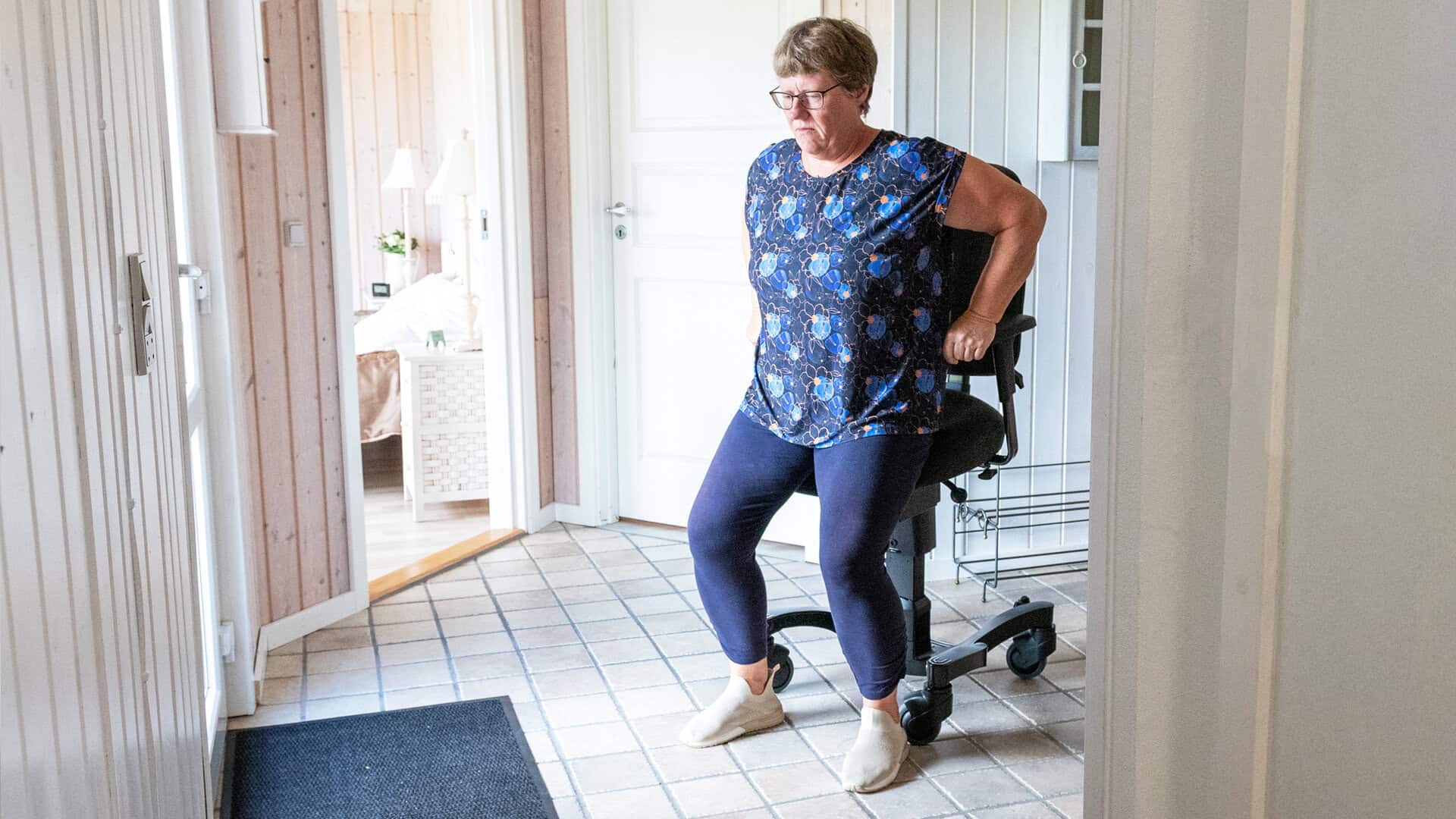

In a world where accessibility and comfort are increasingly recognized as essential components of quality living, the design and availability of specialized chairs for the elderly and disabled have seen significant advancements. These chairs are more than just furniture; they are tools that offer dignity, independence, and improved quality of life to those who face mobility challenges. Whether in the living room, kitchen, or office, these chairs are designed with specific features that cater to the unique needs of their users. As the population ages and awareness of disability rights grows, the demand for such specialized furniture is expected to continue rising. For many seniors, a quality disability chair can make a huge impact on their daily lives.

Mobility chairs – independence on wheels
One of the most significant innovations in this area is the mobility chair. These chairs are designed to provide ease of movement for individuals with limited mobility. Unlike standard chairs, mobility chairs often come with wheels and sometimes even motorized controls, allowing the user to move from one place to another without the need for assistance. Recent advancements have introduced smart mobility chairs and wheelchairs equipped with integrated sensors for health monitoring, obstacle detection for safety, and Bluetooth connectivity for diagnostics, smart home control, and real-time data sharing. These features support diagnostics, environmental awareness such as obstacle detection, and allow customization or interaction through mobile apps and adaptive controls such as voice or touch interfaces. Some advanced models now offer GPS, automatic braking, and synchronization for remote caregiver support [1][2]. There are also power assist devices—motorized add-ons that help with manual wheelchair propulsion—offering a lighter and more portable alternative to full power wheelchairs, reducing physical effort for users and caregivers, especially across difficult terrain [1] [6]. Customizable, all-terrain wheelchairs, including lightweight foldable designs and models with eye-tracking or voice controls, are becoming more widely available in response to diverse mobility requirements and outdoor use [4]. As a result, new mobility chair options now better support user independence, safety, and adapt to evolving physical or healthcare needs. The rise of exoskeletons, robotic aids, and global initiatives like WHO’s GATE Summit and India’s PM Divyasha Kendras further expand access and innovation for diverse mobility challenges [4].
Mobility chairs are not just practical; they also offer a psychological boost by reducing the reliance on caregivers. The ability to navigate one’s environment independently can lead to increased self-esteem and a greater sense of control over daily life. Furthermore, these chairs are often designed with aesthetic appeal in mind, ensuring that users do not feel stigmatized by medical-looking equipment. From sleek modern designs to more traditional looks, mobility chairs can fit seamlessly into any home decor, ensuring that they provide both function and style.
Read more about Mobility chairs
Office chairs with locking wheels – balancing mobility and stability
In the office environment, specialized chairs with locking wheels are becoming increasingly popular among the elderly and disabled. These chairs combine the convenience of mobility with the safety of stability. The wheels allow the user to move around their workspace easily, but they can be locked in place to provide a firm and secure seating position when needed. This feature is particularly useful for individuals who might struggle with balance or need to maintain a fixed position while working. Additionally, these chairs often come with ergonomic designs that provide extra support for the back, neck, and arms, ensuring that users remain comfortable throughout the day.
Ergonomics plays a crucial role in the design of these chairs. Poor posture and inadequate support can lead to chronic pain and fatigue, especially for those who spend long hours seated. Office chairs with locking wheels often include features like lumbar support, adjustable armrests, and memory foam cushions, all designed to promote a healthy sitting posture. Recent advancements emphasize adaptive ergonomic support with features that promote frequent repositioning and reduce musculoskeletal strain, helping to reduce the risk of chronic health issues for elderly and disabled users [6][7]. Technology integration, such as modular add-ons and upgradable ergonomic modules, is also increasing to accommodate changing user needs.
Read more about Office chairs with locking wheels
Kitchen chairs with wheels – enhancing practicality in the heart of the home
The kitchen, often considered the heart of the home, is another area where specialized seating is making a difference. Kitchen chairs with wheels are designed to allow users to move around the kitchen with ease, whether they are preparing food, cleaning, or simply enjoying a meal. These chairs are typically lightweight, with easy-to-clean surfaces and robust wheels that can handle the often uneven terrain of a kitchen floor. Some models also include swivel seats and adjustable heights, allowing users to reach countertops and cabinets with minimal strain.
These chairs are especially valuable for individuals who want to maintain their independence while cooking or performing household tasks. The ability to move freely within the kitchen without the need for assistance can significantly enhance the cooking experience. Many kitchen chairs with wheels are designed with safety in mind, featuring locking mechanisms to prevent unintended movement. This ensures that the user remains stable while performing tasks that require precision, such as chopping vegetables or stirring pots on the stove. A good kitchen chair for seniors can really make them much more independent in the kitchen.
Read more about Kitchen chairs with wheels
Cooking chairs – comfort and convenience in food preparation
Cooking chairs are a specific type of kitchen chair designed for those who need to sit while preparing meals. These chairs are often higher than standard chairs, providing the perfect height for users to work at a counter or stove. Many cooking chairs also have features like padded seats, backrests, and footrests to ensure comfort during longer periods of use. This type of chair is ideal for elderly individuals or those with conditions that make standing for long periods difficult.
For many elderly or disabled individuals, the kitchen can become a place of frustration due to the physical demands of cooking. Cooking chairs mitigate these challenges by allowing users to participate in meal preparation without overexerting themselves. Some cooking chairs even include storage compartments or trays, providing easy access to utensils and ingredients, thereby streamlining the cooking process. Recent developments now offer adaptive designs and customizable features to better fit different body types and mobility requirements, with a growing trend toward modular furniture supporting transitions and user safety. Improvements in adaptive furniture design help make daily activities more accessible and enjoyable for all users, contributing to independence and improved quality of life [8] [4].

Chairs for the disabled – specialized support and adaptability
For those with more severe disabilities, specialized chairs are available that offer extensive support and adaptability. These chairs are designed to accommodate the specific needs of the user, whether that means extra padding, customized seat dimensions, or advanced positioning options. For example, some chairs are equipped with tilt-in-space features that allow the entire chair to tilt backward, distributing weight more evenly and reducing pressure on certain parts of the body. This is particularly beneficial for individuals who are prone to pressure sores or who need to spend extended periods in a seated position.
These chairs are often used in conjunction with other medical equipment and are designed to integrate seamlessly into the user’s care plan. They may include features such as removable trays, adjustable headrests, and specialized cushions that prevent skin breakdown. For caregivers, these chairs provide peace of mind by ensuring that their loved ones are seated comfortably and safely. Increasingly, affordable, customizable solutions and robotic innovations are emerging, including sensor-based health monitoring, modular upgrades, and voice interface or smart home compatibility. These support a wider range of care needs and provide new levels of safety and usability. Market trends highlight ongoing investment in modular product designs and upgradable features to address long-term evolving mobility needs, as well as integration of robotic rehabilitation, exoskeletons for mobility support, and policy-driven expansion of insurance coverage and global access initiatives [3][5] [6] [5].
Lift chairs – integrating comfort and advanced care into everyday living
Lift chairs represent a specialized category of furniture that seamlessly blends comfort with advanced medical functionality. Designed primarily for individuals with mobility challenges, these chairs are equipped with a motorized mechanism that assists users in transitioning from a seated to a standing position and vice versa. While lift chairs are commonly used in healthcare settings, they are increasingly being integrated into home environments to enhance the overall well-being of the user.
Lift chairs often go beyond the basic function of assisting with standing. Many models include additional features such as built-in massage systems, heating elements, and adjustable reclining positions, offering both therapeutic benefits and enhanced comfort. Recent innovations include lift chairs with NASA-inspired zero-gravity reclining technology, which improves spinal alignment, reduces pain, and enhances circulation, making daily rest and transitions safer and more comfortable [7]. Some advanced models come with memory settings for personalized comfort and rising aids with electrical, mechanical, or inflatable support systems that make sit-to-stand transitions easier and less physically straining. Affordable leverage handles and premium powered cushions now expand the range of support available, adapting to a wider variety of user needs [6]. Power lift recliners and adaptive seating solutions introduced at recent industry events now offer AI-based adjustment settings, remote monitoring, and telehealth-ready connectivity for both users and caregivers [6].

Lift chairs are particularly valuable for individuals who need assistance but prefer to maintain independence in their own homes. By combining essential support with a design that fits seamlessly into any living space, lift chairs serve as a bridge between medical devices and regular furniture. New standing aids and ergonomic adaptive furniture are boosting users’ ability to move safely and comfortably, reducing fall risk and supporting daily function [8]. The integration of technology such as health monitoring sensors and voice-activated controls further enhances safety and independence. These improvements help users maintain dignity, autonomy, and the best possible quality of life in their own homes. Expanded policy initiatives and market growth are accelerating adoption and global access, supporting more inclusive rehabilitation and care for elderly and disabled persons [4].
The development of chairs for the elderly and disabled has moved far beyond the standard seating options of the past. Today’s designs are focused on enhancing mobility, providing ergonomic support, and integrating advanced features such as sensors, adaptive controls, and personalized assistance. There is increased emphasis on modularity, product upgradability, embedded health monitoring, and connectivity with telehealth and caregiver support systems, responding to ongoing clinical guidance for safer, easier-to-use assistive technology. Whether it’s a mobility chair, an office chair with locking wheels, a kitchen solution, or adaptive furniture, these innovations now offer greater comfort, flexibility, and safety. By focusing on both functionality and independence, these chairs ensure that elderly and disabled persons can live with more dignity, autonomy, and quality of life—now and into the future.
Sources:
- Supplyingseniors.com, Best Wheelchairs for Seniors: 2025 Guide
- Jamesmedical.com, Smart Wheelchairs: Features to Look for in 2025
- Nextmsc.com, Disabled and Elderly Assistive Device Market 2025–2030
- Precedenceresearch.com, Elderly and Disabled Assistive Devices Market
- Seniorsite.org, Rising Aids for Elderly 2025 – Tested & Rated
- Vela-chairs.com, Power Mobility Chairs for Independence & Support
- Disabled-world.com, Lift Chairs and Seating for Seniors and Disabled
- Livingspinal.com, Adaptive Furniture for the Disabled
- Mobility Management: CES 2026 Assistive Tech Exhibitors
- AgeAlly: 2025 Guide to Mobility Transfer Chairs