

Updated September 2025: We have updated the article to reflect advanced developments in AI-powered mobility aids, smart home adaptations, wearable health monitors, and assistive robotics in elderly care. The article now includes recent clinical evidence on improved safety, autonomy, and quality of life for residents, as well as new insights into telemedicine, personalized device design, and regulatory best practices.
Adriana Elderly Care Homes: Elevating Elderly Care in Mission Viejo
In Mission Viejo, California, Adriana Elderly Care Homes stands at the forefront of personalized elderly care, particularly recognized for its compassionate approach to supporting seniors with complex health needs, such as Alzheimer’s disease. According to the CDC, approximately 16% of Americans aged 65 and older suffer from Alzheimer’s or related dementias, necessitating specialized care facilities like Adriana Elderly Care Homes. By integrating personalized care plans and advanced safety measures, this facility sets a benchmark in elderly care.
What Defines Adriana Elderly Care Homes?
Adriana Elderly Care Homes distinguishes itself through a strong commitment to core values such as dignity, independence, and tailored care. As a licensed board and care home, they offer a sophisticated blend of comfort and medical oversight, crucial for creating a homelike environment that caters to the residents’ unique needs. Their structured approach, detailed on their official website, underscores the emphasis on personalized care that respects every resident’s individuality.
Personalized Care Plans: Tailoring Support for Physical and Cognitive Needs
Adriana Elderly Care Homes employs personalized care plans, pivotal in managing chronic health conditions and cognitive decline, to enhance residents’ quality of life. A recent study in BMC Geriatrics (2023) reinforces the effectiveness of such plans, showing improved resident outcomes with meticulously tailored care. Moreover, the National Institute on Aging emphasizes involving multidisciplinary teams to address the varied needs of the elderly effectively. In addition to traditional methods, the latest assistive technologies—including AI-driven mobility aids, wearable health monitors, and intelligent home adaptations—now support early intervention strategies and personalized monitoring, resulting in reduced hospitalizations and improved resident wellbeing. [1], [2]
Safety and Security Features in Residential Elderly Care Homes
Safety is paramount at Adriana Elderly Care Homes, especially for memory care residents. The facility complies meticulously with California State Regulations for Residential Care Facilities for the Elderly, ensuring secure living environments. They implement rigorous protocols like fall-risk mitigation and a robust security system tailored to residents with cognitive impairments. For example, the home’s emergency response system swiftly intervened when Mary, a resident with dementia, attempted to exit the facility, thereby preventing potential harm and reassuring her family.
Building on this, new AI-powered systems, including wearable health monitors, smart home sensors, and intelligent emergency alert technology, further improve safety by providing continuous real-time monitoring and fall detection. These advances are clinically shown to reduce fall-related incidents and enable faster interventions—helping caregivers respond proactively and reducing overall caregiver burden.[1], [4]
Integrating VELA Mobility Chairs: Enhancing Safety and Independence
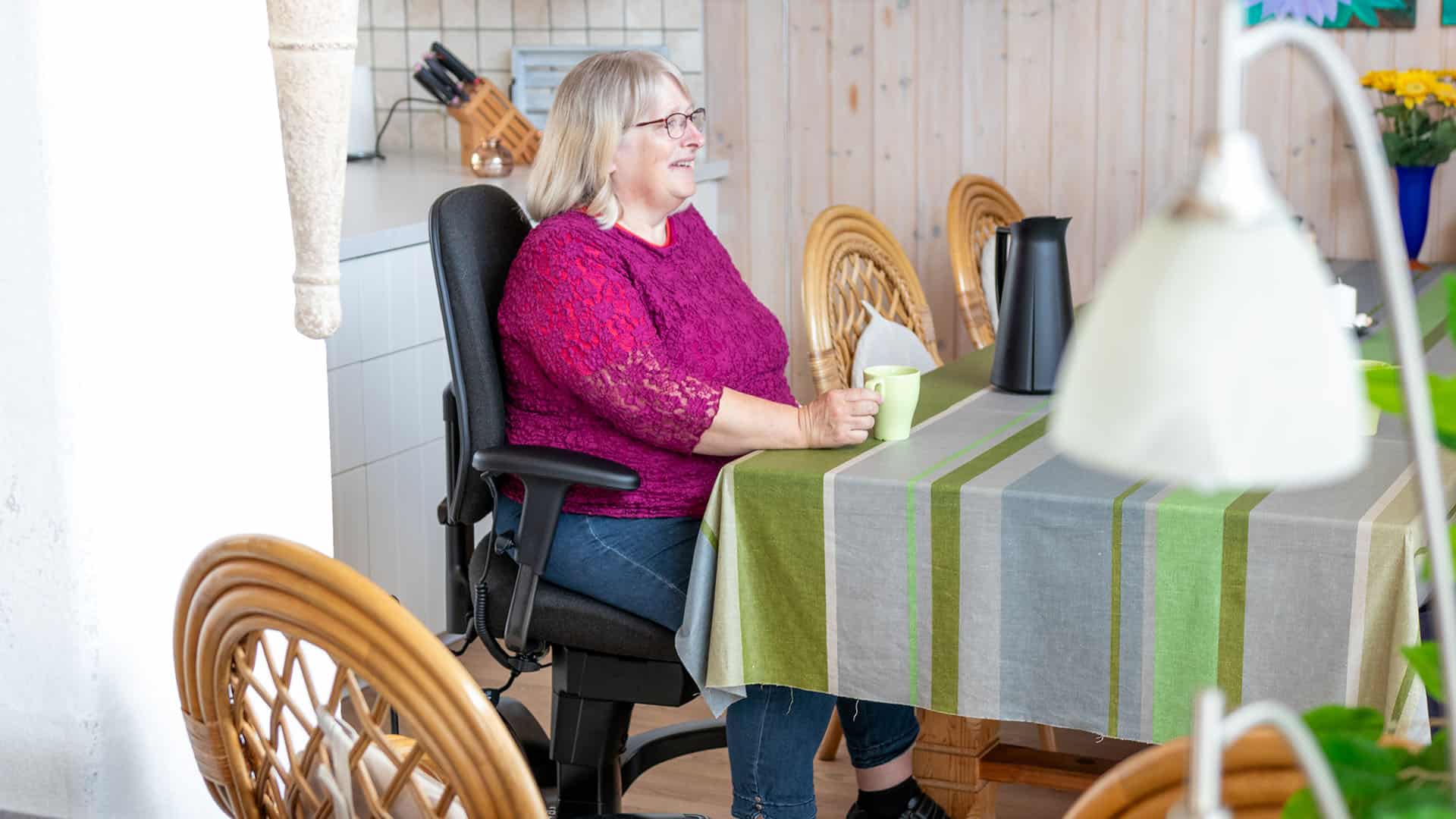
In the quest to enhance safety and facilitate greater independence within the home, solutions like the VELA Independence Chair play a pivotal role. This medically approved mobility chair is designed specifically for use in the home, allowing residents to safely navigate their surroundings with improved freedom of movement while seated. VELA chairs support daily activities such as cooking, dressing, or transferring, significantly reducing the physical strain on both residents and their caregivers.
Alongside mobility chairs, advanced ergonomic devices and AI-powered mobility aids—like lightweight exoskeletons and autonomous wheelchairs—are being adopted to further improve walking stability and reduce the risk of falls. Clinical research indicates these new aids can deliver significant improvements in resident mobility and comfort, supporting greater independence within care environments.[3]
Maintaining Quality Care and Independence
Adriana Elderly Care Homes emphasize the fusion of advanced care techniques and mobility solutions to promote independence among residents. By valuing residents’ dignity and ensuring their unique needs are met with compassionate care, Adriana Elderly Care Homes set a high standard in elderly care. Their commitment aligns with authoritative recommendations from institutions like the CDC and NIH, advocating for environments where elderly individuals can thrive in security and dignity. Incorporating cutting-edge technologies—including wearable sensors, eldercare assistive robots, smart home adaptations, and telemedicine—enables residents to access ongoing health support, enhance social connection, and receive individualized care in real-time. These advancements help maintain and improve quality of life while addressing the evolving needs of both seniors and their caregivers.[2], [5]
How Mobility Solutions Like VELA Make a Difference
The ability to age in place with dignity and security is often enhanced through supportive seating solutions like the VELA chair. These mobility aids contribute significantly to maintaining independence at home by offering features such as a central brake for added stability, electric height adjustability, and ease of movement while remaining seated. By addressing common concerns such as fall risks and energy conservation, enhancing mobility through VELA chairs can potentially delay the need for a nursing home. This solution is especially beneficial for everyday tasks — from meal preparation to household chores — ensuring safety and reducing the caregiver burden. While VELA is not the only option available, it is a proven and practical one, affirming its role in prolonging independence and enhancing the quality of life for seniors.
In addition to seating solutions, the adoption of AI-powered mobility technologies, wearable health monitors, smart environments, and eldercare assistive robots is gaining momentum. These innovations help to monitor residents’ health, offer companionship, assist in daily tasks, and ensure immediate response to emergencies. Regulatory updates also emphasize inclusive design, data privacy in connected devices, and standardized usability assessments, ensuring that all solutions remain accessible, ethical, and safe.[4], [9]