

Updated January 2026: We have updated the article to reflect the latest trends in senior care for 2026, including new information on demographic shifts, increasing demand for integrated technology in senior living, innovations in telehealth and AI-assisted support, updated caregiver support initiatives, and facility design trends in Reading, PA. Additional clarity has been provided on community-based care models, digital health, and recent regulatory strategies supporting affordable and accessible senior care.
Affordable Senior Care in Reading, PA: A Comprehensive Guide
As seniors in Reading, PA, navigate the complexities of aging, the importance of affordable and accessible senior care becomes paramount. With an increasing percentage of seniors in the population—nearly 17% of Americans are age 65 or older, as reported by the National Institute on Aging—finding economical and effective care options is essential. This guide explores the landscape of senior care in Reading, focusing on affordability, quality, and independence.
Understanding Affordable Senior Care in Reading, PA
In Reading, PA, a significant portion of the elderly population lives on limited or fixed incomes, often relying on Social Security and Medicare. The socio-economic status of many seniors necessitates the availability of affordable care options, as financial constraints can restrict access to essential services. Programs like those offered by the U.S. Department of Housing and Urban Development (HUD) provide income-restricted housing, ensuring that low-income seniors receive the support they need. Local initiatives and government assistance also play a vital role in making senior care accessible to all.
Types of Senior Living and Care Options Available
Seniors in Reading have a range of living and care options to consider, each offering distinct benefits based on needs and budget:
- Independent Living: Best suited for seniors who maintain a level of autonomy. Communities like Manor at Market Square offer amenities such as prepared meals and daily activities, catering to an active lifestyle. Increasingly, these communities are integrating smart, wellness-focused models that emphasize not only physical health but also social engagement and cognitive well-being, reflecting modern trends in senior living.[5] New digital health technologies, AI-driven analytics, and sensor-based safety systems are becoming common features, supporting both cost efficiency and enhanced resident outcomes.[8][11]
- Assisted Living: Provides more comprehensive care for those requiring assistance with daily tasks. Facilities like Maidencreek Place offer services with flexible pricing models that align with personal health needs. Many assisted living providers are adopting the latest assistive technologies, such as AI-enabled monitoring and wearable wellness devices, to further enhance resident safety and independence.[2] Ergonomically designed environments and wellness programs emphasizing physical, emotional, and social health are increasingly central, following current industry trends.[8]
- Home Care: For those preferring to age in place, agencies like Right at Home Lower Berks County ensure personalized and compassionate home care services. These options can greatly vary in cost and are often tailored to individual care requirements. Today, in-home care solutions often include integration of smart devices—such as voice-activated home control systems and AI-powered mobility aids—to promote safety and reduce reliance on outside assistance. Digital tools like remote monitoring, wearable fall detectors, and health trackers are now helping coordinate care and keep seniors safer at home.[7][13]
Decisions on senior care are deeply personal, and real-life stories illustrate how seniors assess their situations. For instance, a senior couple choosing Manor at Market Square appreciated the community feel and the support available through programs like the Fox Therapy Program.
Eligibility and Support for Low-Income Seniors
Reading’s low-income seniors may qualify for various housing and financial assistance programs designed to alleviate economic burdens. The HUD Section 202 and Low-Income Housing Tax Credit (LIHTC) programs provide affordable housing options, setting rent based on income and medical expenses. State support from the Pennsylvania Department of Aging offers additional resources, from subsidized housing to financial aid for medical needs. Recent initiatives such as the “Aging Our Way, PA” strategic plan are helping expand access, community integration, transportation, and caregiver support for seniors, ensuring both independence and equity across the region.[3][10] This plan, alongside current regulatory changes, is streamlining services, promoting digital innovation for cost efficiency, and supporting a broader choice of community-based living options for Berks County residents.[13] Successful scenarios, like that of a local senior accessing HUD benefits, underscore the impact of these programs.
Enhancing Independence with Supportive Equipment
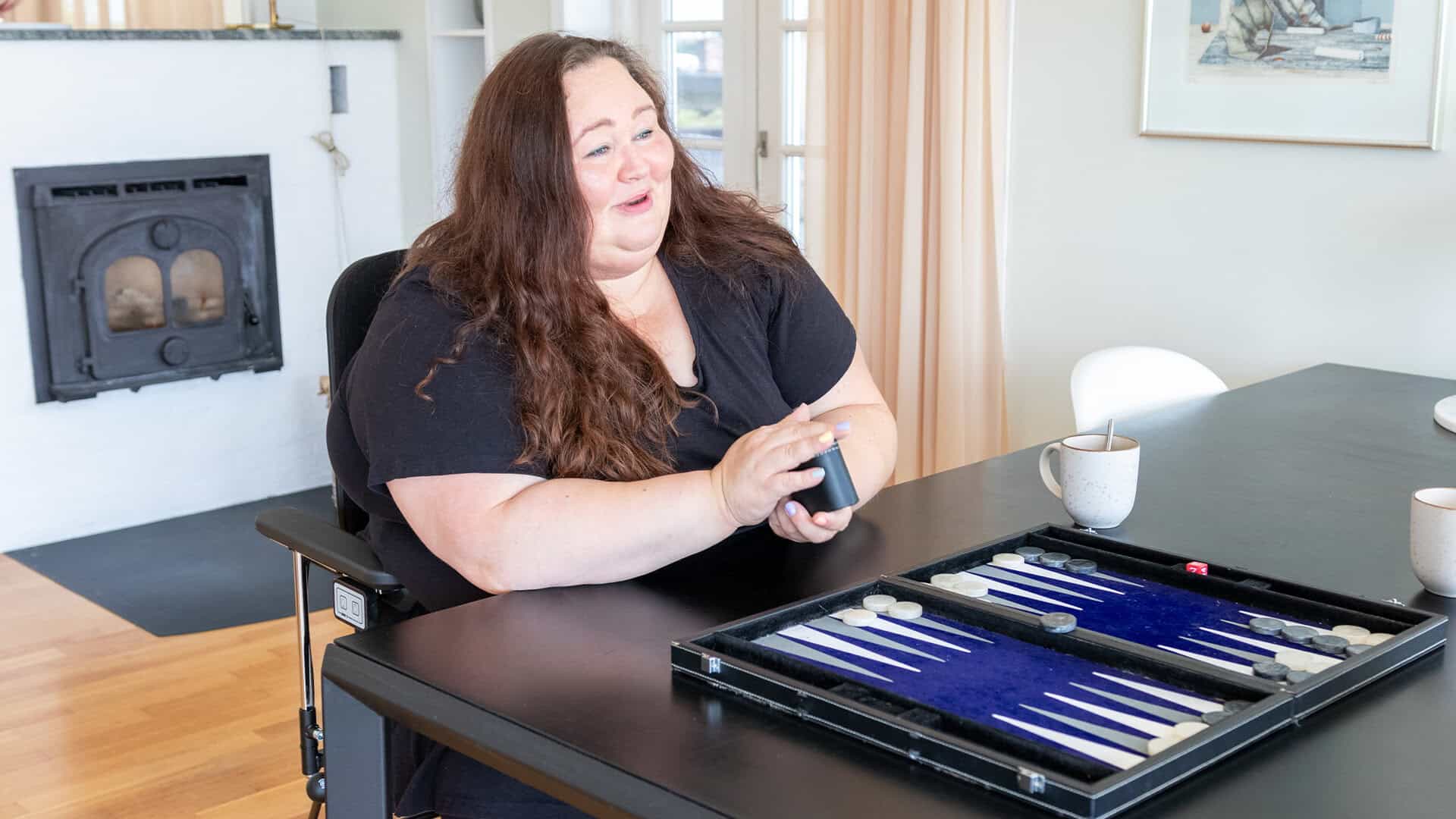
For seniors aiming to maintain independence while addressing mobility challenges, supportive equipment is crucial. Innovative solutions like VELA chairs have emerged as essential tools in enhancing mobility and ensuring safety. In addition to ergonomic seating, recent breakthroughs in assistive technology now include AI-powered wheelchairs and scooters with obstacle detection, real-time health and gait monitoring wearables, brain-computer interface prosthetics for more natural limb control, and smart glasses for navigation or object recognition—all of which are making independence more achievable.[2][6][4][8] These technologies are increasingly accessible, with growing insurance and public support. Additionally, virtual reality therapies are being adopted for cognitive engagement and rehabilitation, expanding the spectrum of affordable wellness solutions for seniors in Reading.[8]
What to Expect: Costs, Amenities, and Services
Investing in senior care requires an understanding of costs and amenities. In Reading, independent living may cost around $4,183 per month, while assisted living varies by health needs and service levels, as seen at Maidencreek Place, which tailors pricing accordingly. Subsidized housing often adjusts rent to a third of the resident’s income, ensuring affordability remains central. Newer care models are introducing options like wellness-focused programs, technology-enhanced safety features, and more flexible middle-market senior housing, making quality care accessible to a broader range of families.[7][8][11] Community-integrated, modular, and co-housing models are also gaining traction for their affordability and flexibility.[7]
Choosing the Right Senior Care Provider
Selecting a senior care provider involves evaluating personal health needs, budget constraints, and available amenities. Families should prioritize providers with reputable reviews and proven care programs. Community engagement and personalized attention often distinguish top-rated providers like The Manor at Market Square and Maidencreek Place. When comparing providers, also consider their adoption of up-to-date assistive technology and commitment to resident-driven, holistic care. Adoption of technologies such as remote health monitoring, AI predictive analytics, and wellness programs can offer both safety and improved quality of life.[8][13]
Frequently Asked Questions about Senior Care in Reading, PA
- What are the most affordable senior care options in Reading, PA? Affordable options include income-restricted housing, subsidized programs, and flexible care plans. Today, many of these care settings are also incorporating smarter assistive technologies that promote safety and independence, including AI-driven monitoring and digital health solutions.[8]
- Is there financial assistance for seniors needing care in Reading? Yes, programs like HUD and state support—including resources from the “Aging Our Way, PA” initiative—aid low-income seniors and boost equitable access to services.[3]
- What’s the difference between independent living and assisted living? Independent living is suitable for active seniors, whereas assisted living provides comprehensive daily support, often now supplemented by technology such as wearable health and mobility devices, sensor networks, and smart home integration.[8]
The landscape of senior care in Reading is diverse and supportive, striving to balance affordability, quality, and independence. By exploring local resources and innovative solutions like chairs designed for elderly safety and comfort, as well as embracing the newest advances in assistive technology, seniors and their families can make informed decisions to enhance well-being and dignity in aging.
Supporting aging in place is a practical option. For those exploring alternatives that allow seniors to maintain independence at home, VELA Chairs present a practical and effective solution. These chairs are not only designed to offer safety through features like a central brake but also include electric height adjustability, aiding seniors in tasks like cooking and cleaning. In parallel, 2025 mobility aids such as AI-powered wheelchairs, wearable rehabilitation robots, and voice-activated smart home controls are enabling unprecedented levels of autonomy.[6][8] This ensures ease of movement without reliance on outside assistance, significantly delaying the need for a nursing home. By incorporating such mobility solutions, seniors can enjoy a higher quality of life, filled with dignity, freedom, and energy conservation. While VELA is a notable choice, it represents one among several options that effectively support aging in place.
Sources:
AssistiveTechHub.com.au
Pennsylvania Department of Aging
ThinkBeyondTheChair.org
NaboBard.com
Pennsylvania Legislative & Aging Sector Reports
AlignSeniorCare.com
ConnSenseReport.com
Aaniie
Center for Elderly Policy and Research
Berks County Area Agency on Aging
CLAconnect