

Updated January 2026: We have updated the article to include the latest advancements in assistive technology, such as AI-powered real-time personalization, new mobility aids showcased at CES 2026, innovations like portable power-assist devices for wheelchairs, all-terrain robotics, and updated inclusive design trends. The article now reflects current integration of AI, enhanced user-centered design, and regulatory highlights supporting accessible senior care.
Understanding Adult Family Homes for Senior Care: A Comprehensive Guide
In the evolving landscape of senior care, Adult Family Homes (AFHs) have emerged as a personalized, home-like alternative to traditional institutional facilities. As seniors increasingly opt for environments that foster personal relationships and intimacy, AFHs provide a cozy, non-institutional setting that many find appealing. According to Sunrise Services, one of the distinguishing benefits of AFHs is their higher caregiver-to-resident ratio, which supports more personalized, attentive care.
Exploring the Unique Environment of Adult Family Homes
Adult Family Homes are characterized by their home-like environment and limited capacity, usually housing a maximum of six residents. This intimate setting fosters strong personal relationships between residents and caregivers. For example, consider a senior named Mary, who felt isolated in a larger nursing home. After transitioning to an AFH, she flourished due to the personalized attention and close-knit community.
Meeting state licensing requirements is fundamental to ensuring the quality of care in AFHs. These homes must comply with regulations that guarantee a safe and supportive environment for residents. As highlighted by Crestview Adult Family Home, choosing a licensed AFH ensures adherence to standards that enhance resident well-being.
Comprehensive Care Services in Adult Family Homes
AFHs offer a range of care services, including daily living support and specialized options. Seniors benefit from assistance with bathing, dressing, meal preparation, medication management, and mobility. Furthermore, many AFHs cater to residents with specific conditions, such as dementia.
John, a resident with early-stage dementia, experienced significant improvements in quality of life at an AFH specializing in memory care. His care plan, tailored to stimulate cognitive abilities through activities and interaction, is an example of how AFHs personalize care. While AFHs do not provide the intensive medical care available in nursing homes, they balance personal care with limited medical support. This setting is ideal for seniors like Susan, who benefits from individualized attention to manage her mobility issues. According to the Adult Family Home Council, the customization of care plans is a defining feature of AFHs.
Comparing AFHs with Other Senior Care Options
When evaluating senior care options, understanding the distinctions between AFHs, assisted living facilities, nursing homes, and in-home care is crucial.
- AFHs typically house fewer residents, allowing for personalized one-on-one care in a home-like atmosphere. They are often more cost-effective compared to larger facilities. This was the case for Jane’s family, who chose an AFH due to its affordability combined with personalized care.
- Unlike nursing homes, AFHs focus on personal care and support rather than 24/7 skilled nursing, making them suitable for seniors without complex medical needs but still requiring supervision and assistance.
- In-home care lets seniors stay in their homes but can lack the social engagement opportunities AFHs offer. Robert, who moved from in-home care to an AFH, found that the interaction with other residents provided a previously missing sense of community, an aspect emphasized by Concierge Care Advisors.
Enhancing Senior Independence with the Latest Assistive Technologies
The field of assistive technology for seniors and people with disabilities has continued to advance quickly since 2025, with an increased focus on AI-powered personalization, adaptive mobility solutions, and user-centered design. Recent breakthroughs include machine learning systems that enable devices to learn user preferences and adjust in real-time, optimizing support for mobility aids, communication devices, and rehabilitation tools.
At CES 2026, several new technologies applicable to senior care gained recognition. The WheelMove portable power-assist device for manual wheelchairs allows up to 25 km of travel on a single charge and installs quickly, while MaaS-Bridge leverages AI to connect vehicles and pedestrian paths for those with mobility limitations or visual impairments. XSTO’s all-terrain mobility robotics offer obstacle-crossing and stair-climbing, using automated configuration to adapt to varied environments.
Emerging innovations include robotic exoskeletons for personalized rehabilitation, adaptive inter-ocular lenses with ultrasonic sensors, cortical implants for vision restoration, and new voice-activated interfaces that support users without fine motor control.
Wearable devices, AI-powered assistants, advanced brain-computer interfaces, and improved sip-and-puff systems now make daily activities and communication more accessible and adaptive. Smart wheelchairs increasingly feature autonomous navigation, real-time obstacle avoidance, and seamless integration with home automation for enhanced independence.
These technologies, designed with significant user involvement, focus on ergonomic optimization and integration within connected assistive ecosystems. They reinforce the supportive environment of AFHs, fostering autonomy, engagement, and a higher quality of life for seniors. Nabroward, ThinkBeyondTheChair, ConnsenseReport, Envision, InnoCaption, FAFTB, Asian College of Teachers, CES 2026
Additional references:
Equal Accessibility® Blog
The Role of Inclusive Design and Policy in Senior Care
Recent policy and regulatory initiatives now prioritize universal access to integrated, AI-supported assistive technology, moving away from standalone devices. Global organizations, including the World Health Organization (WHO) and UNICEF, have emphasized strategies for equitable, technology-enhanced care, prioritizing affordability, safety, and inclusivity.
Current best practices highlight the importance of involving end-users—seniors, caregivers, and individuals with disabilities—in the design and testing of assistive technology. User-centered design principles are now central to developing inclusive environments and accessible devices that more accurately reflect user needs.
International conferences such as CSUN 2025 and CES 2026 confirm that the future of senior care involves integrated assistive ecosystems, personalization through AI, and rehabilitation platforms that actively incorporate real-time user feedback. World Health Organization, Ability Montana, Equal Accessibility® Blog, Envision, InnoCaption, AFB Journal of Visual Impairment & Blindness, CES 2026
Enhancing Senior Independence with VELA Mobility Chairs
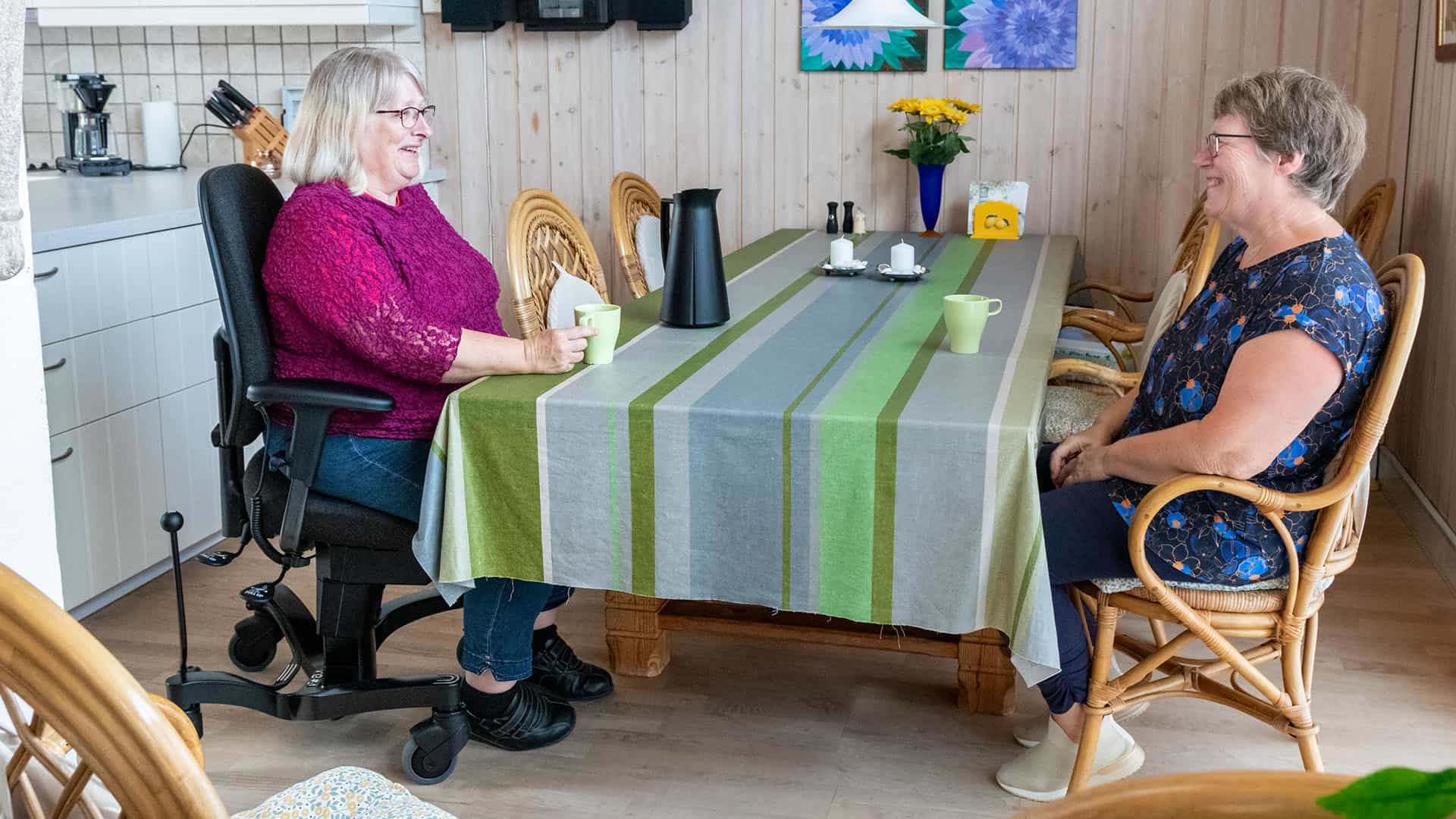
For seniors seeking to maintain independence at home while avoiding the drawbacks of more restrictive settings like nursing homes, innovative solutions exist. VELA mobility chairs offer a compelling option by combining medically approved design with practical functionality to enhance safety and support daily independence. VELA Chairs provide stability with features such as a central brake for security and electric height adjustability, empowering seniors to smoothly carry out activities such as cooking and dressing. Such seating solutions alleviate the burden on family caregivers, facilitating easy transfers and reducing injury risks, ultimately supporting a dignified, autonomous lifestyle.
Making Informed Choices in Senior Care
AFHs present a valuable option within the spectrum of senior care, offering personalized and intimate settings. However, when choosing an AFH, families must consider numerous factors including care capabilities, costs, and environmental preferences. The Wisconsin Department of Health Services recommends thorough evaluations to align AFH options with seniors’ needs and expectations.
The decision to place a loved one in an AFH should involve assessing specific care requirements, proximity to family, and the quality of the living environment. It is also important to understand the financial aspects, ensuring that the chosen facility fits within the family’s budget while meeting necessary care standards. In conclusion, Adult Family Homes provide a compelling alternative for seniors seeking a balance between independence and personalized care. Their nurturing environment and close-knit community can significantly enhance seniors’ quality of life, making them an increasingly popular choice in senior care solutions.
Supporting Aging in Place: A Practical Option
VELA mobility chairs provide practical support for seniors aiming to remain in their own homes longer, reducing the immediate need for nursing home care. Features such as the central brake ensure safety, while height adjustability and ease of movement preserve energy, enhance dignity, and maintain personal freedom. Such assistive chairs help with daily tasks, allowing seniors to perform activities with reduced effort. Whether it’s preparing meals or simply transferring between rooms, these chairs offer stability and confidence, fostering a richer home life. While VELA is not the only solution, its thoughtful design makes it an accessible choice for many families contemplating how best to support aging loved ones in maintaining independence and comfort at home.
Additional sources on assistive technology and senior care:
– Dawn Carr, Nabroward
– ThinkBeyondTheChair
– ConnsenseReport
– Equal Accessibility® Blog
– Ability Montana
– World Health Organization
– Envision
– InnoCaption
– FAFTB
– Asian College of Teachers
– CES 2026
– AFB Journal of Visual Impairment & Blindness