

Updated September 2025: We have updated the article to reflect the latest advancements in senior mobility solutions, including AI-powered smart wheelchairs, the integration of telemedicine and wearable health technologies, and trends in smart home automation for enhanced independence and care. Additionally, recent regulatory and policy developments regarding technology adoption and security in senior care are now included.
Optimizing Elderly Care through Effective Claims Management and Mobility Solutions
Efficient claims management is critical in senior care. It not only ensures timely payments but also enhances patient care by redirecting focus from administrative burdens to actual caregiving. A significant aspect of this process is understanding the specific claims submission requirements to streamline operations effectively. According to the Align Senior Care Provider Manual, healthcare providers collectively lose millions annually due to inefficiencies in claims processing. This highlights the necessity for robust systems and comprehensive knowledge in managing senior care claims effectively.
Streamlining Claims Processing: Electronic vs. Paper Submissions
Senior care providers have multiple options for submitting claims. Align Senior Care offers both electronic and paper submission methods to adapt to various needs. Electronic submissions, facilitated by Availity, are preferred due to reduced processing times and accelerated payment cycles. For example, providers in California use the electronic payer ID ASCA1. As detailed in a case where a senior facility shifted to electronic submissions, there was a noticeable improvement in cash flow and patient services. For detailed procedural guidance, providers can refer to the Provider Manual.
For those who opt for paper submissions, claims should be mailed to the Glen Burnie, MD address—this address is uniformly used across all service areas to ensure accurate and timely claims processing. Providers have reported less frequent payment delays when adhering to these stated guidelines.
Tailored Claims Support for Specialized Senior Care Needs
Specialized claims, such as those pertaining to dental care, necessitate distinct processes and understanding. For instance, dental claims must adhere to specific payer IDs and mailing instructions, underscoring the importance of thorough procedural knowledge. Align Senior Care offers robust support through resources like the claims helpdesk and technical assistance via SSI Claimsnet, ensuring providers can efficiently resolve complex billing issues.
Consider the case of a provider who used Align Senior Care’s support services to navigate a convoluted billing challenge. By leveraging dedicated contacts and support resources, they expedited resolution and maintained their focus on patient care rather than administrative headaches. For assistance, the claims helpdesk is an essential resource.
Ensuring Compliance and Coverage Across Service Areas
Align Senior Care operates in states such as California, Michigan, Florida, and Virginia, ensuring consistent compliance across its service areas. For providers, this involves strict adherence to claims processing guidelines and being aware of the regions covered by Align’s services, which reduces the risk of claim denials. As demonstrated by a California-based provider who meticulously followed Align’s guidelines, claims submissions proceeded without complications, ensuring uninterrupted patient services.
Align Senior Care’s commitment to compliance is vital for smooth operations. Providers can utilize services like the compliance hotline to report concerns, which are detailed comprehensively in the Provider Manual.
Enhancing Senior Independence with Technology-Driven Mobility Solutions
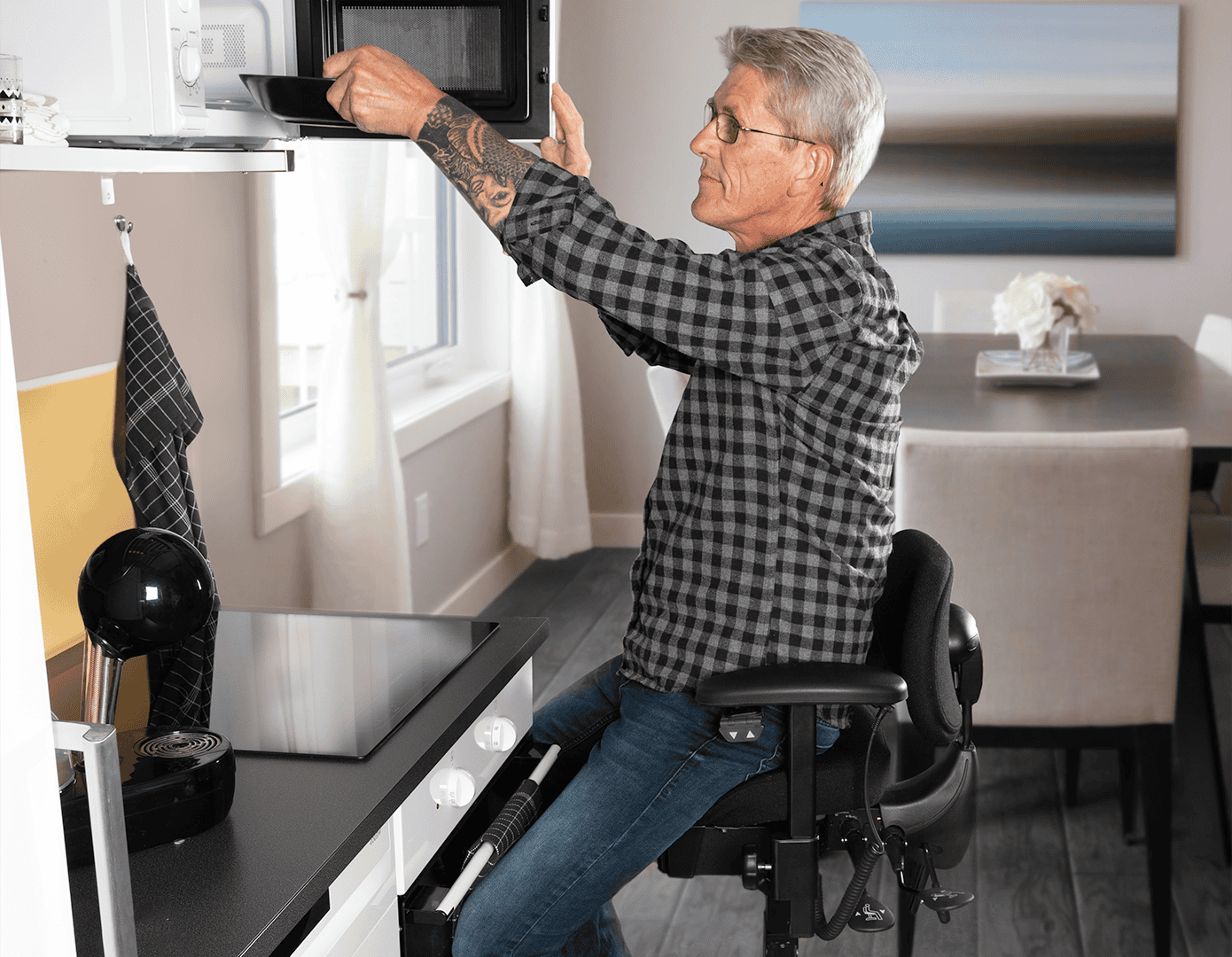
As seniors age, maintaining independence is crucial, and modern mobility solutions—now increasingly powered by advanced technologies—play a pivotal role. Solutions like VELA chairs offer essential support for daily activities and significantly reduce fall risks. The latest developments in senior mobility include AI-powered smart wheelchairs featuring GPS navigation, collision avoidance, voice operation, and remote customization through mobile apps.[source 4] By integrating these advanced mobility chairs, care providers can deliver improved safety and autonomy, addressing core needs in senior care environments. Further insights and practical applications can be explored at VELA Chairs.
Mobility solutions like the VELA Independence Chair are invaluable for seniors seeking to stay in their own homes longer. With features such as a central brake for increased safety and electric height adjustability, these chairs address the common challenges of maintaining independence. Modern devices increasingly use learning-based technologies that adapt to individual user behaviors over time, providing personalized assistance that further increases daily safety and comfort.[source 3] By easing movement while seated, they conserve energy and simplify daily activities, reducing the need for caregiver intervention. Life with a VELA Chair, or other smart mobility devices, offers a more dignified, safer experience, enabling seniors to comfortably engage in activities like cooking or cleaning. Options in this space now increasingly rely on smart systems that synchronize with telemedicine and wearable health tracking, allowing for real-time remote monitoring and virtual care as part of a comprehensive support ecosystem.[source 1] While various options exist, VELA provides a proven choice for those aiming to delay the transition to a nursing home by enhancing everyday life and fostering a sense of freedom and security.
Smart Living Environments and Telemedicine: Shaping the Future of Senior Care
Recent trends indicate a rapid adoption of smart home automation and building management systems in senior living environments. These technologies are specifically tailored for seniors, improving accessibility, security, and comfort by providing features like mobile access credentials, energy optimization, and individualized wellness spaces.[source 2] Assisted living residences increasingly feature cloud-based systems that enable seamless management and support social engagement while maintaining privacy and safety.
Telemedicine is now an integral part of senior care delivery. Virtual health consultations, continuous remote monitoring through wearable devices, and adaptive environments foster greater independence and reduce unnecessary hospital visits. These systems not only support physical well-being but also contribute to engagement and dignity among residents, especially in memory care settings.[source 3] Being able to monitor health in real time and respond quickly to changes enables both professionals and family members to provide optimal care from a distance.
New Regulatory Emphasis and the Path Forward
The integration of advanced technologies in senior care is further supported by evolving government policies and industry guidelines that encourage wider adoption of smart devices, telehealth, and secure digital systems.[source 6] Incentives now focus on boosting care quality and operational efficiency while maintaining data privacy and interoperability. Industry leaders highlight the need for collaboration and innovation supported by AI, while recognizing ongoing challenges around seamless integration and funding. Providers are encouraged to stay current with technology best practices and compliance requirements to deliver safe, effective, and dignified care for seniors.
References
- Align Senior Care Provider Manual
- MyCareConcierge.org: How Technology Will Transform Senior Care in 2025
- ButterflyMX.com: Senior Living Technology Trends 2025
- Hbrhc.com: The Future of Senior Living: Trends to Watch in 2025
- EverythingMedicalOnline.com: The Latest Trends in Mobility Aid Technology for 2025
- JuniperCommunities.com: Senior Living Trends in 2025
- Argentum.org: Argentum and A Place for Mom Highlight Current Technology Trends