

Updated January 2026: We have updated the article with new findings from CES 2026, including the latest AI-powered assistive technologies, data-driven personalization in home care, smart mobility devices (such as robotic exoskeletons and adaptive walkers), predictive health and safety monitoring, fall-protection innovations, inclusive vision and mobility aids, and best practices for seamless integration of these solutions to support aging in place.
Alternative Elderly Care Options: A Comprehensive Guide for 2025
As the elderly population continues to grow, the need for diverse and personalized care options becomes more pressing. This guide explores the various alternative elderly care solutions emerging in 2025, driven by the widespread preference of seniors to age in place. According to Health Dimensions Group, nearly 90% of seniors prefer remaining in their homes, underscoring the demand for innovative care models that support this desire.
Affordable care models for middle-income seniors
The financial landscape is shifting, and middle-income seniors face significant challenges due to limited retirement savings. This has fueled the rise of more affordable care models. According to McKnight’s Senior Living, middle-market housing and co-housing arrangements are set to become major trends by 2025. These solutions, such as reduced entrance fee models, à la carte services, and market-rate housing, offer seniors the independence they desire while remaining budget-friendly. Real-life experiences demonstrate these models allowing seniors to maintain autonomy despite financial constraints. An example is a retired couple from Ohio who opted for a co-housing arrangement, sharing common areas while enjoying separate living quarters, thus reducing living costs and fostering social connections.
Harnessing technology for home-based elderly care
The integration of advanced technology in elderly care continues to revolutionize the ability of seniors to live independently at home. In 2026, CES innovations have further advanced the field. AI-powered exoskeletons, such as Dephy Sidekick shoes for calf support, and robotic exoskeletal solutions offer adaptive assistance tailored to individual movement patterns. Smart walkers now feature GPS, obstacle detection, and navigation aids that significantly improve stability and fall prevention K4Connect LeadingAge Mobility Management.
Wearable health monitors have become more predictive and proactive, with AI-driven analysis of vital signs, gait, and behavioral patterns identifying early warning signs of declining health. Devices like predictive smart toilets and ambient edge AI safety sensors (such as auto-shutoff stoves) now support privacy-preserving monitoring and help shift care from reactive to proactive intervention K4Connect AgeInPlaceTech.
Other breakthroughs include fall-protection airbags like the Smart Hip Guardian and vision-enhancing smart glasses (e.g., eSight Go) that expand accessibility for seniors with mobility or vision loss. These unobtrusive, affordable solutions provide safety and confidence, featuring seamless integration with home environments and remote caregiver dashboards for reduced caregiver burden LeadingAge Mobility Management.
Smart home and intelligent environment adaptations play a critical role. AI and IoT integration allows homes to automatically control lighting, temperature, and security, while motion sensors and voice-activated systems enable effortless interaction and active monitoring for unusual activity. Automated medication dispensers and emergency alert systems further enhance safety and independence for seniors aging in place University of Florida Online Aging The Senior Alliance. For example, Mary, an 82-year-old living in Florida, uses a combination of advanced wearable monitors and a smart home system that detects unusual activities or irregular health readings and promptly notifies her family, ensuring timely intervention without disrupting her daily life.
Blending home and community care for enhanced support
For seniors with complex medical needs, integrated care models like the Program of All-Inclusive Care for the Elderly (PACE) offer comprehensive solutions. These models combine home and community services to minimize hospital visits and enhance overall well-being. As reported by Premier Health Care, seniors enrolled in such coordinated care programs experience improved health outcomes and a greater quality of life. Participants in PACE, like John, a 78-year-old with chronic heart conditions, report feeling more secure and less isolated thanks to the regular home visits by healthcare professionals and the availability of community activities that cater to his interests.
Enhancing independence with VELA mobility solutions
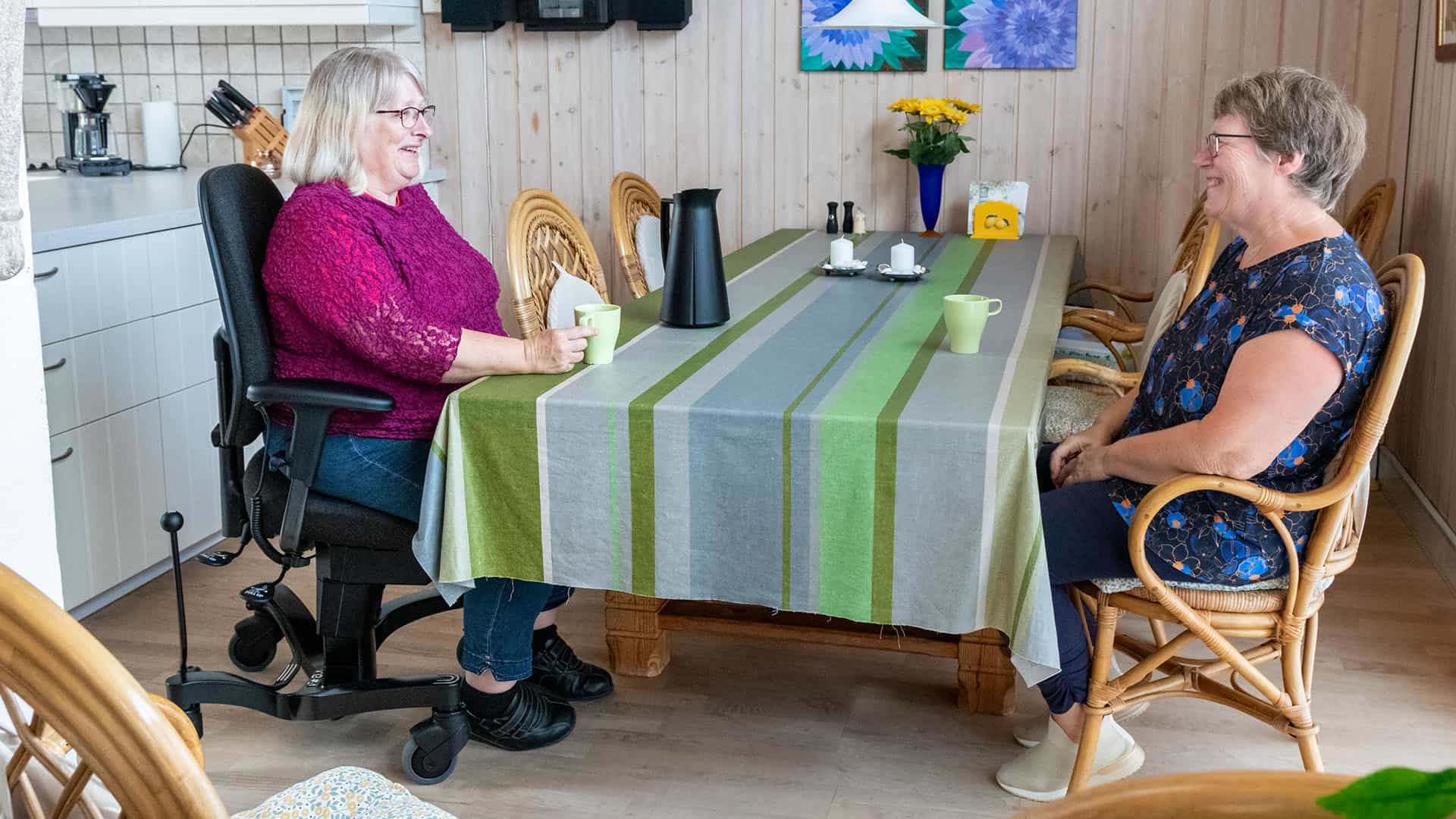
As traditional nursing facilities present challenges such as limited personal space and high costs, solutions like VELA chairs offer seniors the opportunity to remain in their homes longer. The VELA Independence Chair is a medically approved mobility chair designed specifically for home environments. It enhances safety through features such as a central brake, allowing users to sit securely while performing daily tasks. With electric height adjustment and 360-degree rotation, VELA chairs provide freedom of movement and support during activities like cooking, dressing, or transferring, which in turn reduces the burden on informal caregivers. Such mobility aids are crucial in supporting aging populations by promoting independence, dignity, and safety at home. Innovations from CES 2026 include smart mobility aids that adapt to user behavior, robotic wheelchairs like XSTO all-terrain models, the WheelMove wheelchair attachment for expanded access, and ergonomic, lightweight designs for added comfort and support Mobility Management LeadingAge AmadaSeniorCare.com AskSAMIE.com.
Therapeutic interventions continue to evolve, with virtual reality now supporting rehabilitation at home, improving engagement, and addressing cognitive and emotional needs. Vision-enhancing smart glasses and blind-navigation aids introduced at CES 2026 further expand accessibility and enable greater independence for individuals with disabilities AgeInPlaceTech LeadingAge.
Remote care platforms for caregivers use AI to monitor trends and deliver personalized care recommendations, decreasing the burden on both family and professional caregivers. Personalized medicine, pharmacogenomics, and ethical, user-centered design approaches are at the forefront, addressing privacy and accessibility needs while improving outcomes K4Connect ADvancing States AgeInPlaceTech. These trends ensure new solutions are not only technically effective but also inclusive, user-friendly, and respectful of dignity and independence.
In conclusion, as we look toward 2026, alternative elderly care options are evolving rapidly. The integration of cutting-edge assistive technologies with affordable, person-centered care models enables seniors to live in their chosen environments with dignity, safety, and autonomy. According to The Business Research Company, investment in these solutions addresses current and future needs, paving the way for sustainable and compassionate senior care. Clinical guidelines and regulatory trends highlight the importance of digital literacy, seamless integration, and inclusive design for optimal outcomes ADvancing States LeadingAge.
By embracing these emerging trends, families and caregivers can create environments that honor the wishes of seniors to age in place while providing the support necessary to ensure their safety and well-being throughout their later years.
Supporting aging in place: a practical option
VELA chairs offer a practical means of prolonging independence among seniors who choose to age in place. Incorporating features such as a central brake for added safety, electric height adjustability for ease in standing, and effortless movement while seated, these chairs address common aging challenges. They can significantly delay the need for more intensive care environments like nursing homes by minimizing falls and conserving energy during activities like cooking, cleaning, or leisure activities. Living with a VELA Chair often means seniors can engage in daily routines with less fatigue and more dignity, proving that while VELA is not the sole solution, its thoughtful design stands as a proven, practical option.