

Updated January 2026: We have updated the article with the latest advancements in assistive technology, including the integration of AI-powered mobility devices, IoT-enabled smart aids, remote caregiver alerts, ergonomic and lightweight foldable solutions, exoskeletons, and new trends from CES 2026. These updates reflect Amada Senior Care San Diego’s commitment to inclusive, tech-enabled care for enhanced safety, independence, and caregiver support.
Amada Senior Care San Diego: Tailoring In-Home Care for the City’s Elderly
The elderly population in San Diego is experiencing a significant increase, with a 9% growth in the 65+ demographic between 2020 and 2023. According to Axios, this trend emphasizes the urgent need for reliable, quality in-home care. Amada Senior Care San Diego leads in offering compassionate, customized in-home care services to meet this critical demand. According to a recent study presented in the Journal of the American Geriatrics Society, home-based care not only enhances patient satisfaction but also reduces hospitalization rates for non-acute conditions, making Amada a preferred choice for families who wish to ensure the well-being of their elderly loved ones at home.
Overview of In-Home Elderly Care Options in San Diego
San Diego offers a diverse range of in-home care services, including assistance with daily living activities, companionship, and transportation. Amada Senior Care excels by offering comprehensive and individualized care plans. For example, a senior experiencing mobility challenges could greatly benefit from Amada’s personalized approach, which encompasses support with movement, engaging activities, and transportation services. This integrated care strategy allows seniors in San Diego to maintain their independence while receiving essential support.
What Sets Amada Senior Care Apart in San Diego?
Amada Senior Care distinguishes itself with its rigorous caregiver selection process and commitment to quality care. As John and Melissa Boodhansingh, the co-owners, emphasize, “We hire sensitive and dedicated caregivers, the kind you’d want caring for your own parents.” This philosophy ensures caregivers deliver services with empathy and attention to detail. For instance, a client utilizing Amada’s services reported improved quality of life due to the comprehensive care plans and real-time updates provided to family members via advanced technology.
Understanding Costs: In-Home Care, Live-In, and Assisted Living
Navigating the costs associated with senior care can be a daunting task. Amada Senior Care ensures transparency by detailing the costs for various care options. Non-medical in-home care typically ranges from $28 to $34 per hour. For a family planning for 20 hours of care per week, the monthly expenses would range from $2,240 to $2,720. Understanding these costs is crucial for families to align their financial planning with their loved one’s care requirements.
California State Regulations & Elder Care Consumer Protections
California’s stringent regulations for home care services ensure high-quality care standards. The California Home Care Services Consumer Protection Act mandates caregiver background checks, training, and agency oversight. This framework provides families with peace of mind, assuring them that the caregivers are highly qualified and thoroughly vetted.
Promoting Independence through Adaptive Tools
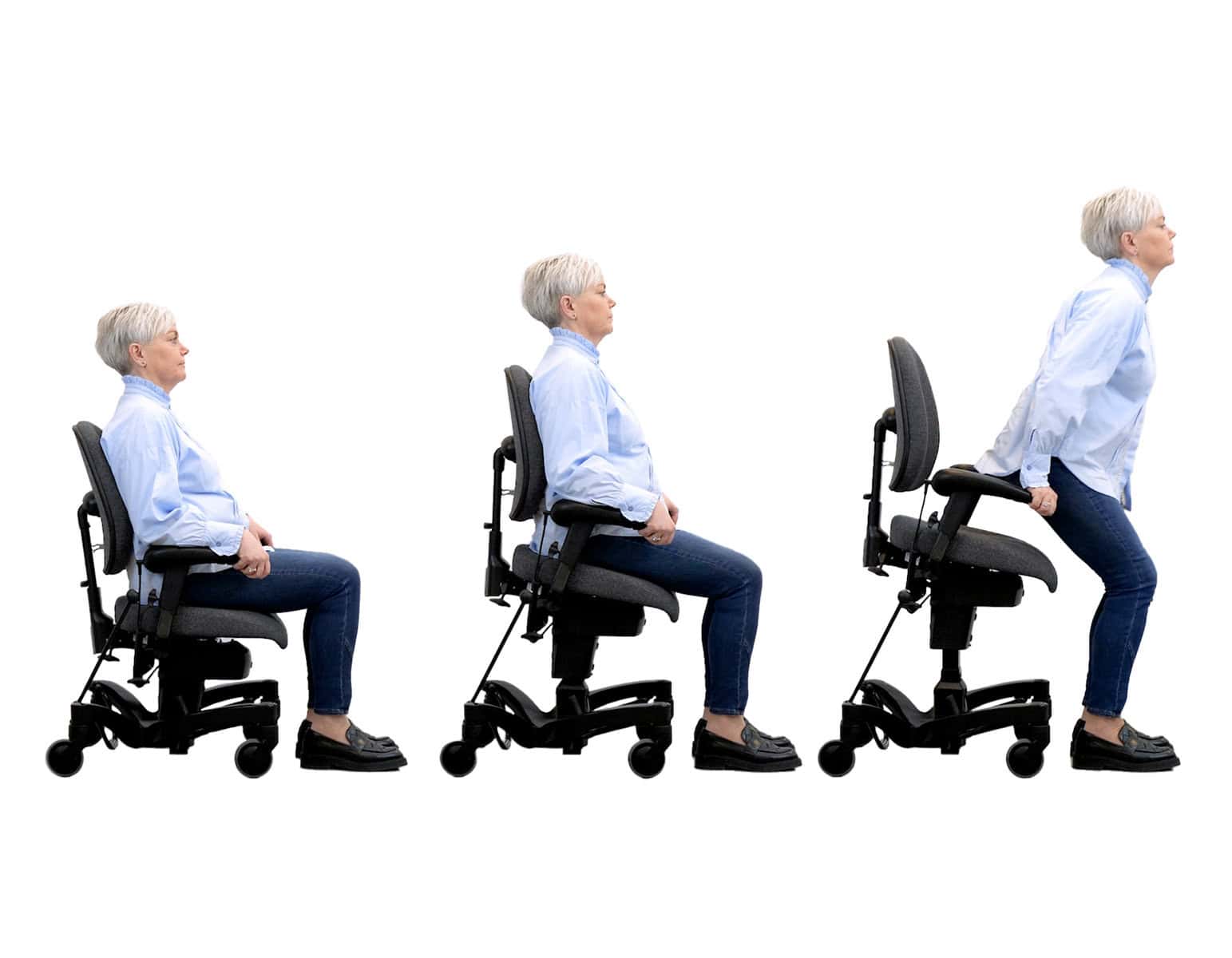
While nursing homes provide a level of comprehensive care some need, many seniors prefer to stay in their own homes, where they feel more comfortable and independent. To support this preference, maintaining safety and autonomy through adaptive tools becomes crucial. This is where innovative solutions like the VELA Independence Chair play a pivotal role. This medically approved mobility chair is specifically designed for home use, offering enhanced safety and freedom of movement while enabling seniors to perform daily activities such as cooking, dressing, or transferring. By reducing the load on informal caregivers and empowering seniors to maintain their daily routines independently, VELA stands as a practical solution.
Smart and Connected Technology: The New Standard in Assistive Devices
Since 2025, assistive technology for seniors and those with reduced mobility has seen significant advancements. The integration of artificial intelligence (AI), Internet of Things (IoT), and sensor technology into mobility aids such as smart walkers, wheelchairs, and rollators now enables fall detection, real-time obstacle avoidance, and remote caregiver alerts. These devices also support adaptive navigation, providing tailored assistance to users based on their immediate environment and health status.
New AI-powered devices allow for real-time monitoring and data sharing with caregivers and family through mobile apps, further strengthening safety and communication. Smart mobility solutions can now automatically detect obstacles, assess stability, and trigger automatic emergency notifications, making them essential for independent living at home.
The adoption of biometric wearables and AR/VR systems for rehabilitation adds a new dimension to remote health monitoring and ongoing therapy support, offering a holistic approach to senior care.
Mobility Management, 2026
All Seniors Care, 2026
Para Mobility, 2026
Digital Learning Institute, 2026
HLK-IP, 2026
Cutting-Edge Mobility Solutions and Ergonomic Innovations
Innovations showcased at CES 2026 and recent industry developments highlight next-generation products for senior independence. Notable advancements include:
- Robotic exoskeletons: Supporting rehabilitation and daily mobility with power assistance and intuitive control for users recovering from injury or managing long-term disabilities.
- Power-assist attachments (e.g., WheelMove): These convert manual wheelchairs into semi-powered chairs, improving maneuverability and reducing physical strain on users and caregivers.
- All-terrain AI power chairs (e.g., XSTO X12): Enabling seniors to navigate varied outdoor environments safely and comfortably with features such as adaptive stability and real-time feedback.
- Lightweight, ergonomic, and foldable aids: 2026 product lines focus on custom-fit, ultralight materials and easy folding for transport—important for maximizing independence both at home and in the community.
- 3D-printed customizable prosthetics/orthotics: Providing a tailored fit to optimize comfort and functionality, with rapid delivery for users with evolving needs.
These solutions not only enhance mobility but also prioritize personalization and portability, empowering seniors to remain active and engaged while reducing pressure sores, falls, and physical caregiver strain.
Mobility Management, 2026
All Seniors Care, 2026
Para Mobility, 2026
Empowering Caregivers with Remote Support Tools
Remote caregiver support is increasingly a core element of in-home care. The latest assistive devices and mobility solutions feature app-based monitoring, real-time status alerts, and data-driven care planning, all of which empower caregivers to respond swiftly to any changes. These digital tools streamline communication, reduce unnecessary in-person visits, and offer peace of mind for families, further standardizing the delivery of compassionate care at home.
Inclusive device innovation is also driven by policies focused on ethical AI deployment and accessibility. While there have been no major regulatory changes, the assistive technology field is experiencing rapid growth in patents and policy attention for creating widely accessible, safe, and effective devices.
Digital Learning Institute, 2026
Para Mobility, 2026
Empowering Seniors in San Diego with Quality Care Solutions
In the field of elderly care, Amada Senior Care San Diego stands as a leader, offering personalized, high-quality in-home services that comply with state regulations and protections. Through a care environment rooted in empathy, professionalism, and technological advancement, Amada effectively meets the needs of the growing senior population in San Diego. According to the National Institute on Aging, personalized care and active family involvement are essential to enhancing quality of life for older adults. Amada exemplifies this ideal, ensuring that seniors in San Diego age with dignity and independence in the comfort of their homes.
How Mobility Solutions Like VELA Make a Difference
Exploring alternatives that support independence, such as the VELA Independence Chair for enhanced mobility, demonstrates how technology can significantly extend the time seniors can enjoy living at home. Features like a central brake system increase safety, while electric height adjustability supports seamless transfers and access to household items. This kind of tool can allow seniors to move comfortably while seated, participating in everyday activities like cooking and relaxing. Through such interventions, seniors can maintain their independence longer, potentially delaying the need for a nursing home. While VELA is not the only mobility aid available, it stands out as an effective option, ensuring safety and comfort.