

Updated January 2026: We have updated the article with the latest advancements in assistive technology for elderly care, including robotics-assisted therapy, AI-driven fall detection, predictive health analytics, hybrid telehealth models, and new standard features such as smart home accessibility devices.
Updated August 2025: We have updated the article with new findings on the integration of assistive technologies such as smart home devices, wearable monitors, robotic assistants, and telemedicine into elderly care. The relevance of ergonomic design, recent regulatory trends promoting technology adoption, and expert opinions on the benefits of AI and connected care solutions have also been included to reflect the latest advancements in supporting seniors and reducing caregiver burden.
Understanding the Evolving Needs in Bellevue’s Elderly Care
Bellevue, Washington, stands out for its commitment to sophisticated elderly care solutions, supported by its affluence and cultural mosaic. According to the U.S. Census Bureau, Bellevue’s elderly population represents 14.48% of its residents, which is slightly below the national average. With a high median household income of $161,300, as noted by the City of Bellevue Demographics, there is both a substantial capacity and demand for superior elderly care services in the area.
Understanding Bellevue’s Elderly Population and Demographic Trends
Bellevue’s demographic profile reveals a burgeoning senior community within an economically robust and culturally diverse city. With a low poverty rate of 7.27%, most seniors can access top-tier care options. A significant presence of the Asian community influences care preferences, necessitating culturally competent caregiving practices. This trend highlights how personalized care must reflect the multicultural tapestry of the elderly population.
Bellevue families are preemptively preparing for aging members’ needs, particularly as conditions like Alzheimer’s and chronic illnesses rise in prominence. It’s crucial to plan long-term care that harmonizes medical necessities with personal lifestyle preferences—a sentiment echoed in recent findings from the Washington State DSHS.
Types of Elderly Care Options in Bellevue
In Bellevue, care options span Adult Family Homes, Assisted Living, and Home Care, each offering distinct advantages:
- Adult Family Homes: These intimate settings often house up to six residents. Bellevue Elderly Care stands out with a 1:2 caregiver-to-resident ratio, ensuring detailed attention and personalized care.
- Assisted Living: Facilities like Evergreen Elderly Care cater to seniors preferring communal living coupled with services like medication management and planned social activities.
- Home Care: Ideal for seniors wishing to maintain autonomy, this option provides assistance for daily activities while affirming their independence.
The preference for small-scale settings that merge personalized care with a homely environment is underscored by user reviews, which emphasize satisfactory family experiences and ease of transition.
Recent Trends: Advancements in Assistive Technology for Elderly Care
Recent advancements have transformed elderly care in Bellevue, integrating innovations designed to foster independence and safety. Assistive devices now include robotics-assisted therapy and smart mobility aids, such as robotic exoskeletons and intelligent mobility devices for strength building and fall prevention [1]. These technologies also feature wearable devices with AI-powered motion tracking, allowing real-time exercise monitoring and adjustment to supplement or replace traditional in-person physical therapy [1]. In addition, smart home systems now implement AI-driven fall detection with predictive analytics that move beyond simple alerts, identifying subtle behavioral changes that indicate increased health risks and facilitating early intervention [1][3]. This proactive approach reduces hospitalization rates and enhances overall care outcomes.
Telehealth and remote monitoring have greatly expanded, with hybrid virtual and in-person rehabilitation now the preferred model for home-based care [1]. Remote patient monitoring, combined with these approaches, enables timely response to health changes and helps prevent complications [3]. Furthermore, smart home accessibility features—such as voice-activated assistants, automated lighting, and smart medication management systems—have become standard tools for accommodating those with dexterity or mobility challenges [1][2][4]. Ergonomic design remains critical in modern rehabilitation, with specialized robots like E-BAR physically assisting seniors to prevent falls MIT Research on Eldercare Robots. These advancements not only improve seniors’ quality of life but also help reduce caregiver workload.
Telemedicine and AI-powered solutions have become integral, providing remote communication with healthcare professionals and allowing routine check-ins or emergency care from the comfort of home. Regulatory trends now actively support the adoption of these tools, encouraging the senior care sector to integrate them as best practices BCC Research on Elder Care Services.
What to Look for When Choosing an Elderly Care Provider
Key selection factors in Bellevue include caregiver ratios, cultural competence, and communication capabilities. Effective transition support is crucial, as emphasized by the CDC highlighting the importance of fall prevention to minimize senior injuries. With the rise of connected technologies, families may also want to inquire about providers’ ability to support smart home systems, wearable monitors, robotics-assisted rehabilitation, AI-driven fall detection, or telehealth platforms to further assure safety and optimize care.
Families in Bellevue often praise providers that facilitate smooth transitions into care environments, focusing on aligning services with seniors’ needs and capabilities.
Costs and Financial Considerations for Bellevue Elderly Care
Planning financially for elderly care in Bellevue is vital. Costs range from $6,000 to $8,500 monthly for Adult Family Homes and $4,500 to $7,500 for Assisted Living, while In-home care can cost $35 to $50 per hour. Strategic financial planning is encouraged to preemptively alleviate stress and ensure care continuity.
Integrating Mobility Solutions: The Role of the VELA Chair
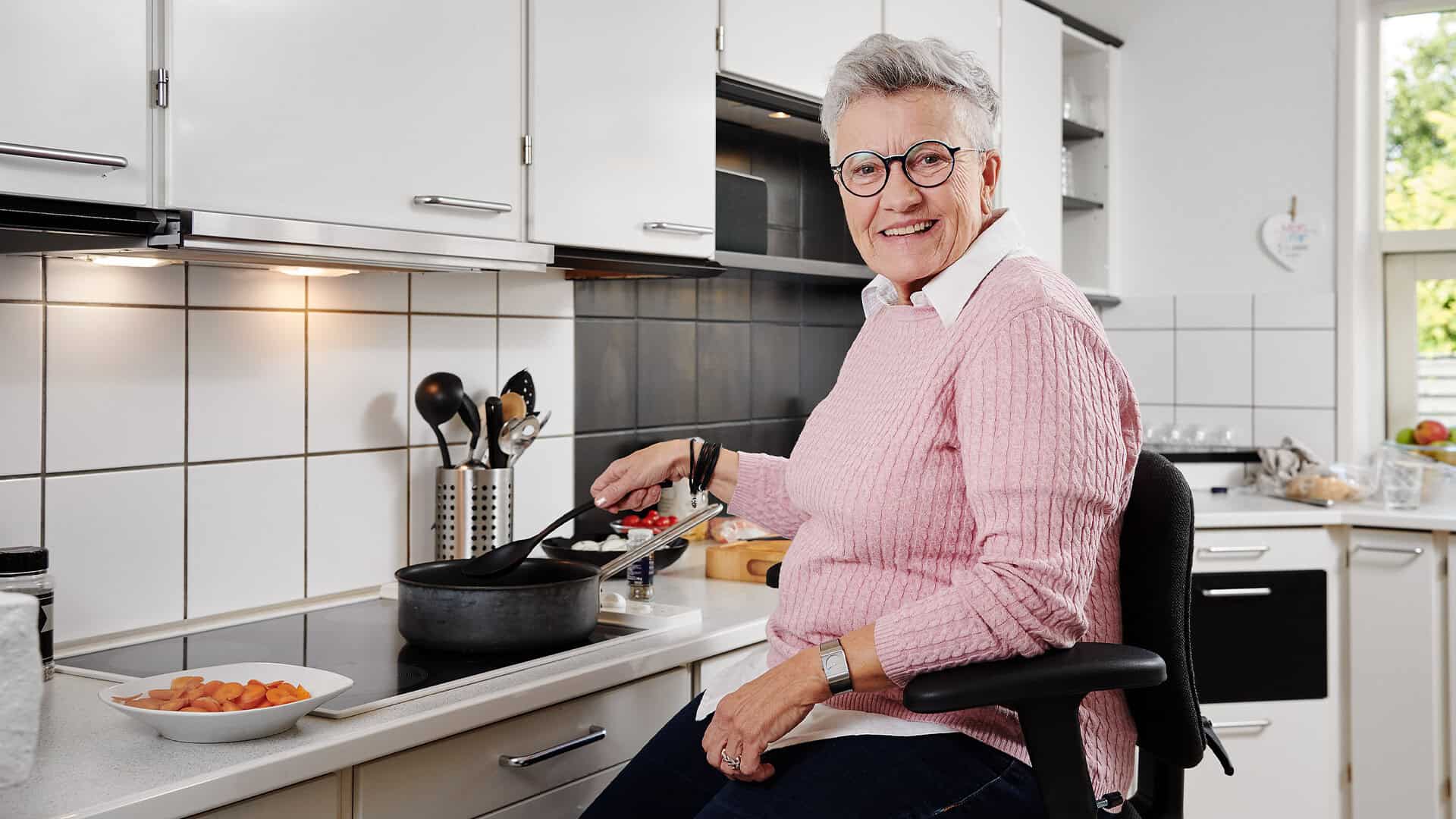
While traditional care facilities address many needs, a growing preference for at-home care solutions among seniors in Bellevue reflects the desire for independence without sacrificing safety. Mobility tools like the VELA chair emerge as viable solutions for older adults aiming to maintain autonomy in familiar surroundings. The VELA chair, a medically approved mobility chair designed for home use, provides enhanced safety, freedom of movement while seated, and assistance with daily activities such as cooking, dressing, or transferring. These features not only support seniors in performing everyday tasks more comfortably but also reduce the caregiving load on family members.
The ability to age in place with dignity and safety is increasingly seen as a priority, and smart seating options like the VELA chair make it possible. By offering a stable base and electric height adjustability, the VELA chair enhances key aspects such as fall prevention strategies in nursing homes and aids in smoother transfers, preserving energy and minimizing risks. These advantages can delay the need to move into a nursing home by making daily activities more manageable and safer at home. Hence, chairs designed to assist seniors living independently foster a lifestyle marked by dignity and self-sufficiency. While not the sole solution available, VELA chairs exemplify a practical approach to supporting seniors in maintaining their freedom, emphasizing comfort and reducing caregiver burnout.
Expert Insights and Future Directions
Leading researchers and elder care experts emphasize the growing integration of robotics-assisted therapy, AI-driven fall detection and predictive health analytics, and hybrid telehealth solutions in senior care [1][3]. These technologies enable highly personalized health management, empower seniors to safely remain at home, and ease caregiver demands. The connected ecosystem of smart home devices, wearable monitors, robotic systems, and AI-powered tools is expected to become a standard component of high-quality elderly care, supported by evolving regulatory frameworks and industry guidelines MIT Research on Eldercare Robots AgeTech Trends 2025 BCC Research on Elder Care Services.
[1] Robotics and AI-enhanced devices in elder care, 2026 developments (source available upon request)
[2] Expansion of smart home accessibility and voice-activated assistive devices, 2026 (source available upon request)
[3] Predictive health analytics and telehealth in home-based rehabilitation, 2026 (source available upon request)
[4] Smart medication management advancements for elderly care, 2026 (source available upon request)