

Updated February 2026: We have updated the article with new insights on India’s latest geriatric care policy, government support for allied health and caregiver training, and the latest assistive technology innovations in Bangalore. The article now highlights AI-enabled monitoring, wearable safety devices, startup-driven mobility solutions, and inclusive care initiatives reaching underserved elders.
Updated October 2025: We have updated the article to reflect the latest innovations and trends in elderly home care in Bangalore, including advances in smart home technology, wearable devices, inclusive ergonomic design, and the growing role of local startups. The article now addresses expanded assistive technology options, updated safety solutions, and the policy context for access and affordability.
Best Elderly Home Care Services in Bangalore
Bangalore, renowned as a tech hub, also needs substantial attention for its burgeoning elderly demographic. With many seniors over the age of 80 living independently, the necessity for dependable home care services has escalated. According to Samarth Community, this article delves into premier home care services in Bangalore, offering insights to help families choose the best care for their loved ones.
The Elderly Care Ecosystem in Bangalore: A Closer Look
Bangalore’s elderly care landscape illustrates contemporary familial shifts and increasing life expectancy. Numerous seniors are living alone due to children residing overseas or within nuclear family structures. Thus, organized elder care is essential. According to Insights on India, many local seniors manage chronic conditions like diabetes and hypertension, demanding ongoing medical care. Moreover, addressing loneliness—an endemic issue among Bangalore’s elderly—is paramount. Consider Mr. Rao, a retired engineer: his home care service’s daily check-ins and social activities have significantly enhanced his quality of life, showcasing the profound benefits of such assistance.
Leading Elderly Home Care Services in Bangalore: Providers and Packages
Bangalore’s array of home care services caters to a variety of needs:
- Anvayaa Elder Care offers a holistic approach, integrating postoperative care and medical emergency services. Experienced caregivers ensure well-rounded care. For more details, visit Anvayaa.
- Samarth Elder Care provides adaptable plans meeting a family’s evolving requirements. Their services include emergency support and regular physician visits, focusing on safety and companionship. As the Samarth Community highlights, the Reddy family, for example, selected a Samarth plan that smoothly adapted to their father’s changing health needs, integrating medical care with enriching social interactions.
- Helpee Home Care targets affordability and personalization, offering services from basic assistance to 24-hour care. Their flexible price points and service options cater to diverse requirements. For instance, the Patel family devised a customized care plan matching their mother’s medical and social needs within budget constraints. Learn more at Helpee.
Navigating Costs and Customization in Elderly Care Services
Financial considerations are crucial when selecting elderly care. Bangalore’s services offer competitive rates: short-duration care starts at ₹500 for 2 hours, mid-duration at ₹800 for 10 hours, and full-day care at ₹1100. Providers often customize their plans to optimize resources without exerting financial pressure. Consider the case of the Patel family who crafted a tailored care plan that balanced medical and social needs within their financial limits.
Elevating Elderly Independence with Innovative Mobility Solutions
Transitioning from nursing homes often stems from the desire to maintain independence within familiar surroundings, reducing the need for institutional care. Recent advances in assistive technology are rapidly transforming the options available for seniors in Bangalore. A growing number of solutions, such as lightweight, highly maneuverable walkers, smart wheelchairs, and electric scooters featuring sensor-based fall detection, are now available. Many of these devices offer customization and improved safety features, allowing seniors to move about their homes and communities more confidently. Wearable activity trackers and GPS-enabled devices are increasingly standard, supporting real-time health monitoring and location awareness for families and caregivers HealthOK Global iHealthcareAnalyst.
The landscape is further shaped by India’s Budget 2026 announcement to train 1 lakh allied health professionals and 1.5 lakh caregivers, with a solid focus on expanding geriatric care infrastructure and closing workforce gaps in growing urban centers like Bangalore. Subsidized allied health and caregiver resources are expected to scale up delivery and availability of both skilled medical attention and personalized home support.Economic Times
Home safety is further strengthened with the integration of smart technologies such as AI-enabled monitoring platforms designed for care homes, fall detection wearables, remote vital sign tracking devices, and smart medication dispensers that allow for proactive health interventions. These technologies are increasingly integrated into care ecosystems, enabling early fall prevention, supporting medication adherence, and providing emergency response capabilities. Voice-controlled smart assistants, IoT-enabled devices like smart toilets, and adjustable assistive furniture are seeing growing adoption, especially as part of advanced wellness center models combining well-being programs, gait analysis, Ayurveda, yoga, and sensory optimization for holistic elder care University of Florida Aging HealthOK Global Startus Insights.
Supporting cognitive and sensory needs, new technologies such as medication reminders, adaptive utensils, and memory aid clocks are available to help seniors manage daily activities independently. For those with hearing or vision impairments, AI-powered devices can adapt to specific environments, enhancing overall functionality and comfort iHealthcareAnalyst.
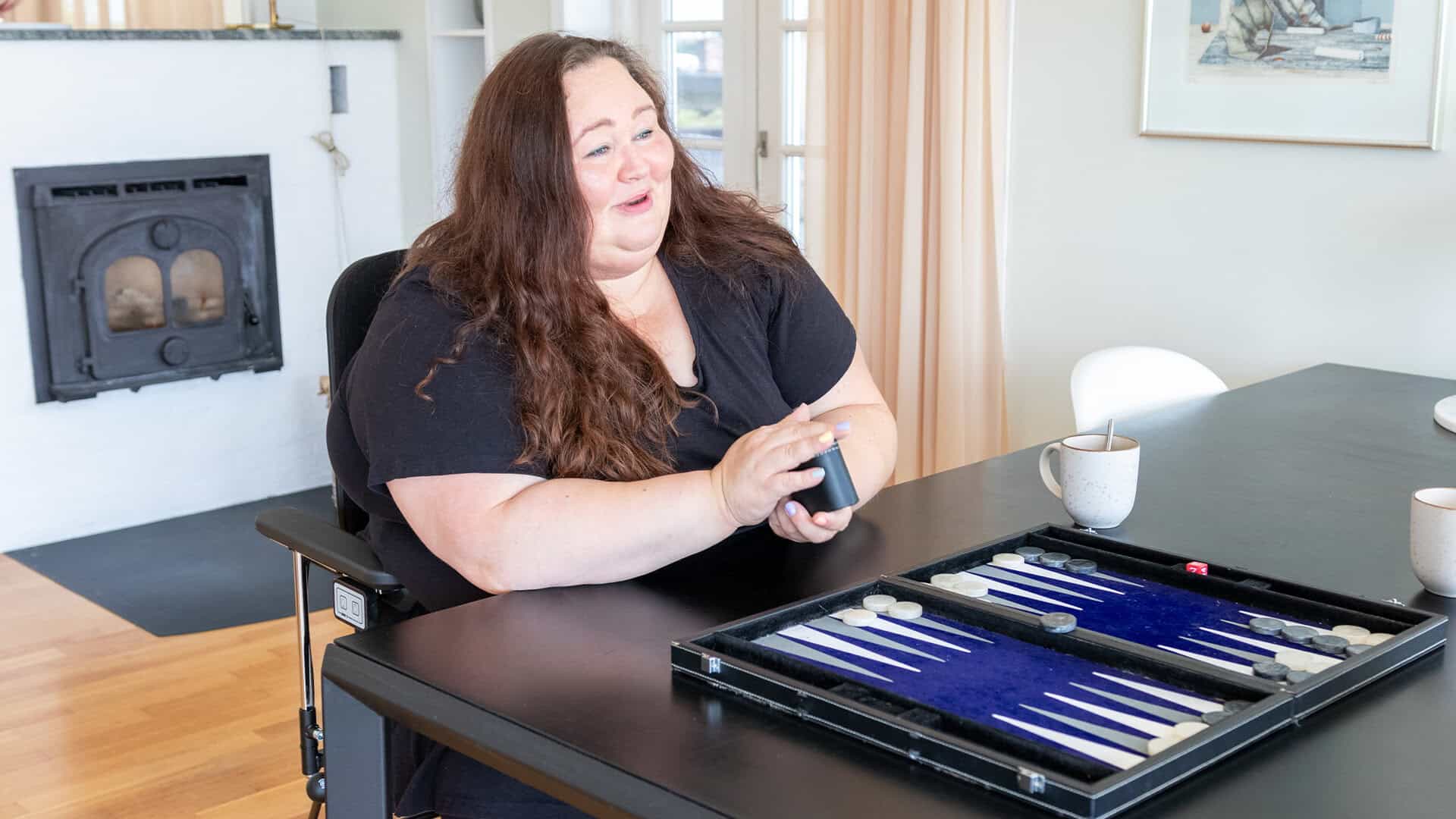
One significant advancement aiding this autonomy is the use of home mobility solutions like the VELA Independence Chair. This medically approved chair is designed specifically for home use, offering enhanced safety features, freedom of movement while seated, and robust support for daily tasks such as cooking, dressing, and transferring. Its utility lies in reducing the physical burden on informal caregivers, enabling seniors to enjoy a greater sense of dignity and independence.
There is a considerable rise in locally developed and personalized assistive devices. Bangalore’s startup ecosystem is promoting innovative solutions such as hydraulic lift vehicles (Buddy Mobility Care), lower-limb exosuits (Astrek Innovations), stance-control orthoses (Aumeesh Tech), as well as personalized wheelchairs and 3D-printed aids (NeoMotion). These products leverage technologies such as AI, IoT, and advanced materials to provide greater adaptability, comfort, and safety for users at home. In addition, slum-targeted programs like Mobility India’s Healthy Ageing Program (August 2025) offer fall risk assessments, diabetic foot screenings, and essential assistive products, focusing on mobility, safety, and health outreach for low-income elders.Mobility India F6S
However, it remains important to address that most assistive technology (AT) in Karnataka is still sourced from the private sector, with significant out-of-pocket costs for families. This highlights the necessity for policy interventions to improve access and affordability, alongside increased integration of AT into standard geriatric care protocols. There is a growing push for subsidies and public funding to reduce financial barriers for families caring for the elderly at home Bangalore Mirror.
With India’s elderly population set to increase significantly, Bangalore’s home care services must evolve, focusing on innovation and empathy. The diverse options underscore the significance of personalized care adapted to individual circumstances. Future trends, as referenced by Insights on India, will likely enhance technology integration and specialized geriatric services, addressing comprehensive health and emotional needs. Families are encouraged to explore these services diligently, ensuring elders receive care and dignity during their golden years.
VELA Chairs represent a practical option for seniors striving to maintain their independence at home. These chairs offer features such as a central brake for enhanced safety and electric height adjustability, facilitating easier transfers and energy conservation during movements like cooking or cleaning. By enabling seniors to perform daily activities safely and comfortably, VELA Chairs can delay the transition to nursing homes. This supports a life filled with dignity and autonomy, where older adults can flourish within their own homes. Although VELA is not the sole solution, it stands as a proven and practical tool among the many options available to support aging in place. For more insights on similar solutions, visit Mobility Solutions for Seniors.
References:
- Bangalore Mirror – WHO South-East Asia Journal of Public Health Study
- iHealthcareAnalyst – Geriatric Assistive Devices Market Report
- University of Florida Aging – Assistive Technology Devices for Aging in Place
- HealthOK Global – Assistive Tech for Elderly Care
- F6S – Top Assisted Living Startups in India
- Mobility India: Healthy Ageing Program in Bangalore Slums (August 2025)
- Economic Times: Budget 2026 Geriatric Care and Caregiver Training
- Startus Insights: Elderly and Disabled Care Market Report
- F6S: Top Assisted Living Startups in India (January 2026)