

Updated February 2026: We have updated the article with the latest advances in smart, AI-powered mobility aids for seniors, including integration of fall detection sensors, IoT-enabled real-time caregiver monitoring, wearable exoskeletons, lightweight materials, AI-driven personalization, and telehealth connectivity. The update also reflects new trends in materials technology, device control methods, and highlights the growing clinical role for connected assistive devices.
Crafting a Future of Comprehensive Elderly Care
In today’s rapidly aging society, understanding the intricacies of care for the sick and elderly is more crucial than ever. As highlighted by the World Health Organization (WHO), by 2050, 80% of older adults will reside in low- and middle-income countries, necessitating adaptable and diverse care strategies. With projections indicating that by 2040, 1 in 5 Americans will be over 65, the urgency to develop robust care systems is evident. Addressing these needs requires not only understanding medical care but also integrating tools that promote safety and independence in daily life.
Recognizing Health Challenges in Aging Populations
The journey of aging brings with it a spectrum of health challenges, predominantly chronic conditions such as heart disease, arthritis, and cognitive decline. According to Ultimate Care NY, 88% of older adults live with such conditions, making daily assistance a cornerstone of their lives. Real-life scenarios often depict seniors needing help with mobility and personal care as their physical and cognitive capabilities change.
The WHO emphasizes a tailored approach to senior care, noting that older adults have widely varying health statuses. For instance, while some 80-year-olds maintain functionality akin to much younger individuals, others face significant declines. This diversity requires a comprehensive public health response that addresses functional activities and disease prevention alike.
Exploring Elderly Care Options: From Home Care to Assisted Living
Navigating the landscape of elderly care involves a choice among home care, assisted living, and skilled nursing facilities. Each option offers unique benefits tailored to specific needs. For example, Ultimate Care NY‘s focus on in-home medical support and Cypress Home Care, whose high satisfaction rates stem from personalized aging-in-place plans, illustrate the range of available services. User reviews attest to experiences like improved independence through medical supervision and the empathetic companionship provided by skilled caregivers.
When selecting a care modality, consider factors such as the patient’s health needs, lifestyle preferences, and family dynamics. Feedback from families who have used these services often praises the flexibility of home care, which enables seniors to remain in familiar surroundings while receiving professional assistance.
Empowering Seniors with Safety and Independence Tools
Promoting independence while ensuring safety is vital in elderly care, making assistive technologies and adaptive equipment indispensable. The latest generation of mobility aids such as walkers, rollators, and wheelchairs now incorporates smart features, including AI-powered sensors that monitor movement, detect falls, and adapt to changing terrain. Many devices communicate with both smartphones and caregiver systems in real time, greatly enhancing fall prevention and security[1]. Advanced materials such as carbon fiber and aluminum alloys are increasingly used, making these aids lighter, easier to transport, and less physically taxing for both users and caregivers[4]. Wearable robotic exoskeletons, once experimental, are now practical mobility solutions for seniors with significant movement difficulties, providing muscular support, improved gait, and reducing fatigue[1].
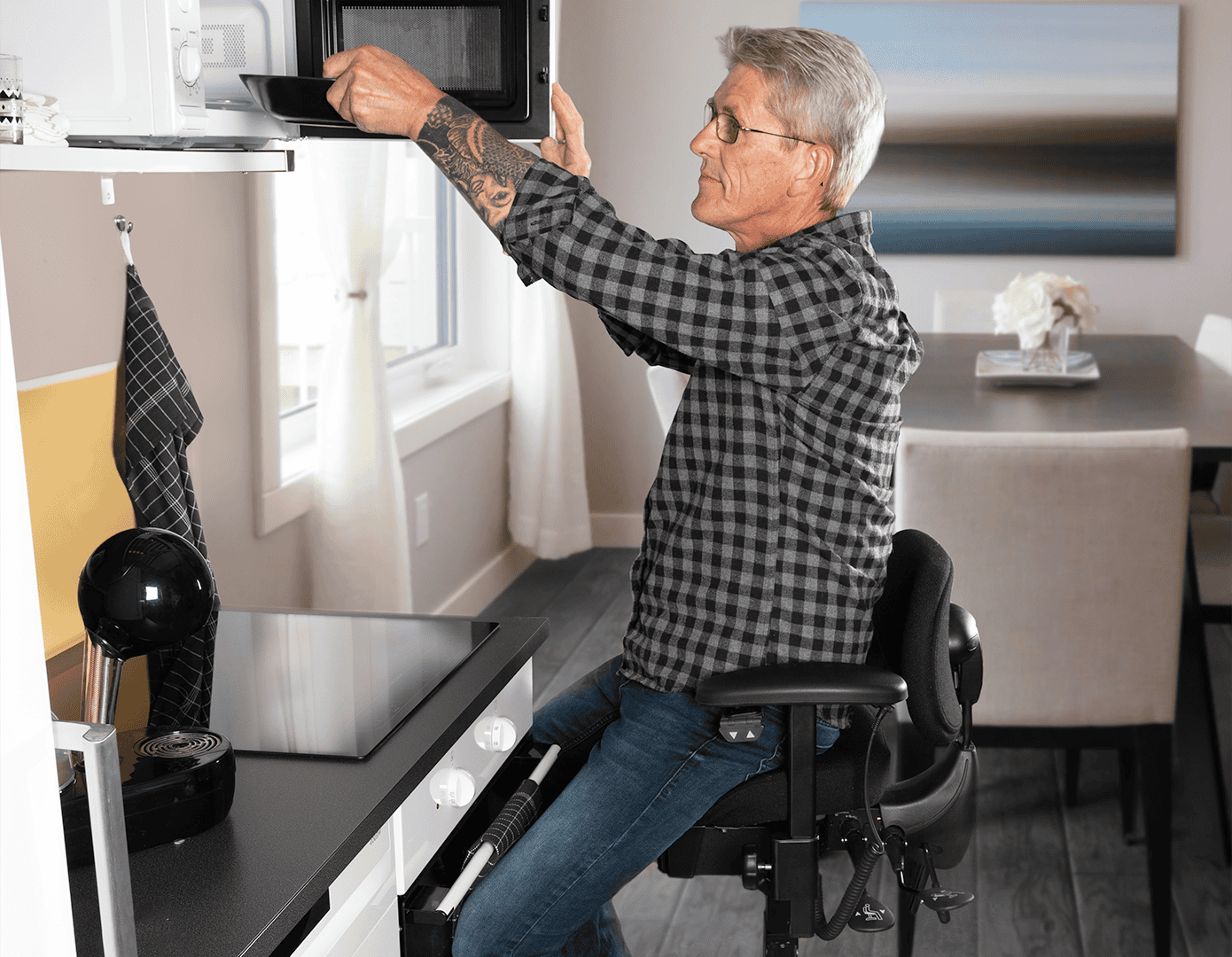
According to Premier Home Care, fall prevention strategies are a key component of safety programs for seniors. Tools like the VELA mobility chair, which enhances daily living by supporting safe transfers and mobility, are revolutionizing home environments for elderly individuals. In addition to traditional safety-focused equipment, new technologies integrate automatic detection sensors, AI personalization (such as adapting to individual gait patterns), and app controls including voice command capabilities, making operation accessible and intuitive[1]. Real-time monitoring via smartphones now allows caregivers to receive instant alerts and updates on senior status, providing greater visibility and responsiveness[1].
By integrating the latest digital tools, caregivers can address higher-level medical needs while seniors handle daily routines more independently. Many older adults face the daunting choice between moving into a nursing home and trying to stay in their own homes despite increasing health challenges. Assistive solutions now increasingly feature smart customization, AI-driven adaptation, and compatibility with telehealth services for real-time clinical monitoring and remote consultations, creating powerful support for aging in place[2].
Recent research also highlights the importance of user co-creation in technology design, ensuring that assistive devices effectively meet the real-world needs of older adults. Collaboration between developers, users, and caregivers enhances device usability and increases adoption rates, supporting independent living.[3]
Navigating the Financial Landscape of Elderly Care
Financial considerations are a significant aspect of choosing the right care solution. From costs associated with home and assisted living care to navigating insurance and financial assistance options, understanding this landscape is crucial. According to America’s Health Rankings, there’s an increasing trend of seniors living below the poverty level, with significant racial disparities that impact access to care.
Many states offer financial support through Medicaid waivers or subsidies, which can alleviate some of the cost burdens. Informed choices about care options are essential, as out-of-pocket expenses can quickly accumulate, particularly for specialized services or prolonged care needs. As intelligent assistive devices become more advanced, new trends highlight both their rising demand and expanded clinical role, while issues related to affordability, data privacy, and changing regulatory standards are also becoming more prominent[7][8].
How Mobility Solutions Like VELA Make a Difference
Staying independent longer at home is a significant benefit of using advanced mobility solutions like the VELA Independence Chair. Key features such as a central brake for safety, electric height adjustability, and ease of movement while seated directly address common challenges faced by the elderly. For instance, without such equipment, even routine tasks like cooking or cleaning can become monumental due to the risk of falls and limited mobility. The VELA chair transforms these daily activities into manageable tasks, preserving energy and ensuring safety. While not the sole solution, VELA chairs are a proven choice that helps delay the need for a nursing home, offering seniors dignity, freedom, and the ability to partake actively in everyday life. Recent developments in intelligent assistive devices now include autonomous navigation, real-time fall detection, remote-device app controls, AI-driven personalization, real-time caregiver communication, and integration with telehealth for seamless clinical support[1][4][5].
Resources such as Mobility Chairs for Elderly Support and Elderly Mobility Solutions provide further insights into how such solutions maintain safety and independence.
- 2026-2027 Durable Medical Equipment Trends for Elderly Mobility
- Best Durable Medical Equipment for Aging Seniors & Caregivers 2026
- Geriatric Assistive Devices Market: Trends, Technologies & Outlook
- Top Mobility Trends for 2026
- CES 2026: 4 Assistive Technology Exhibitors to Watch
- Assistive Technology Devices: Helping Seniors Age In Place
- Assistive Technology Statistics and Facts (2026)
- Disabled Elderly Assistive Technology Market Analysis 2026