

Updated September 2025: We have updated the article with new findings on the integration of AI, telehealth, advanced wearable devices, assistive robotics, 3D printing, and voice-controlled smart home systems in elderly care. These advancements support early health risk detection, personalized care, and enhanced independence for seniors, with updated regulatory guidelines promoting technology adoption.
Carlyle Senior Care of Fountain Inn: Comprehensive Elderly Care Services
Navigating the complexities of elderly care in Fountain Inn, SC, can be a daunting task. A prominent choice for families in this area is Carlyle Senior Care of Fountain Inn, also known as Fountain Inn Post Acute, which caters to a notable portion of Fountain Inn’s population, where 11.27% of residents are aged 65 and above. According to Neilsberg, this demographic highlights the significance of having robust elderly care facilities like Carlyle Senior Care. Situated at 501 Gulliver Street, the facility boasts 60 certified beds and offers extensive nursing and rehabilitation services.
Understanding Carlyle Senior Care’s Offerings
Carlyle Senior Care of Fountain Inn distinguishes itself through its commitment to comprehensive care. It provides round-the-clock skilled nursing care, essential for residents requiring constant medical attention. Rehabilitation therapies, including both physical and occupational therapy, are key components of their services. According to Medicare.gov, these therapies are particularly beneficial for residents recovering from surgeries, aiming to restore their independence swiftly.
Recent trends in elderly care include the widespread adoption of digital tools and advanced assistive technologies. AI-driven predictive analytics are increasingly being integrated into care environments, allowing for early detection of health risks through the ongoing monitoring of behavior, sleep, and mobility patterns. These systems facilitate timely interventions and enable the creation of personalized care plans tailored to each resident’s evolving needs.ButterflyMX
Telehealth and remote monitoring have become essential elements of post-acute and long-term care, giving seniors and caregivers the ability to consult with medical professionals virtually. This reduces the need for travel and hospital visits, especially benefiting those with mobility limitations or chronic health concerns.ButterflyMX Cyces
Evaluating Care Quality and Staffing Challenges
When assessing Carlyle’s care quality, the facility reports 2.34 nurse hours per resident per day, which is below the state average of 3.9 hours, indicating potential staffing challenges. Despite this, testimonials often describe the nursing staff as attentive and compassionate, an attribute critical for maintaining a comforting environment. Notably, ProPublica indicates a high 70% nurse turnover rate, underscoring both strengths and challenges in staffing.
In response to broader industry trends and updated clinical guidelines, there is a stronger emphasis on integrating assistive technology to help mitigate staff shortages and enhance resident safety. Wearable devices have advanced from simple fitness trackers to sophisticated tools that monitor heart rate, sleep quality, and detect falls with greater accuracy. These devices generate actionable insights for both caregivers and healthcare providers, improving the overall quality of care.Cyces RightAtHome
Assistive robotics, such as mobile eldercare robots, are now being used to provide physical support with sit-to-stand movements, help prevent falls, and adapt to a wide range of user mobility levels, delivering continuous assistance within the care setting.MIT News
Financial Considerations and Insurance Options
Financial preparedness is vital when choosing a care facility. Carlyle Senior Care supports various financial plans by accepting Medicare, private payments, and an array of PPOs and HMOs. Navigating insurance details can be challenging, but the facility’s staff are equipped to guide families through financial responsibilities and coverage benefits, as detailed on Fountain Inn Post Acute.
The expansion of telehealth and digital health technologies is also increasingly supported by insurance providers and public health guidelines. Regulatory updates encourage nursing homes and senior care facilities to adopt these new technologies, supporting autonomy, safety, and quality of life for residents.HumanCareNY iHealthcareAnalyst
Resident Experiences and Testimonials
Resident testimonials offer insights into life at Carlyle Senior Care. Donna P. remarked that “the staff’s dedication is evident; you can tell they want to be here, rather than just collecting a paycheck.” Ruthie C. also shared, “The staff was compassionate and efficient at all times… They went above and beyond to provide the necessary care.” These reflections underscore the significance of empathy in delivering holistic care and reinforce the facility’s commitment to quality.
Alongside positive staff experiences, residents and their families are increasingly benefiting from voice-controlled smart home systems and AI virtual assistants. These technologies provide medication reminders, manage appointments, enable voice-activated support, and offer companionship, promoting both independence and social engagement in a care setting or at home.RightAtHome ButterflyMX
Enhancing Independence through Mobility Solutions
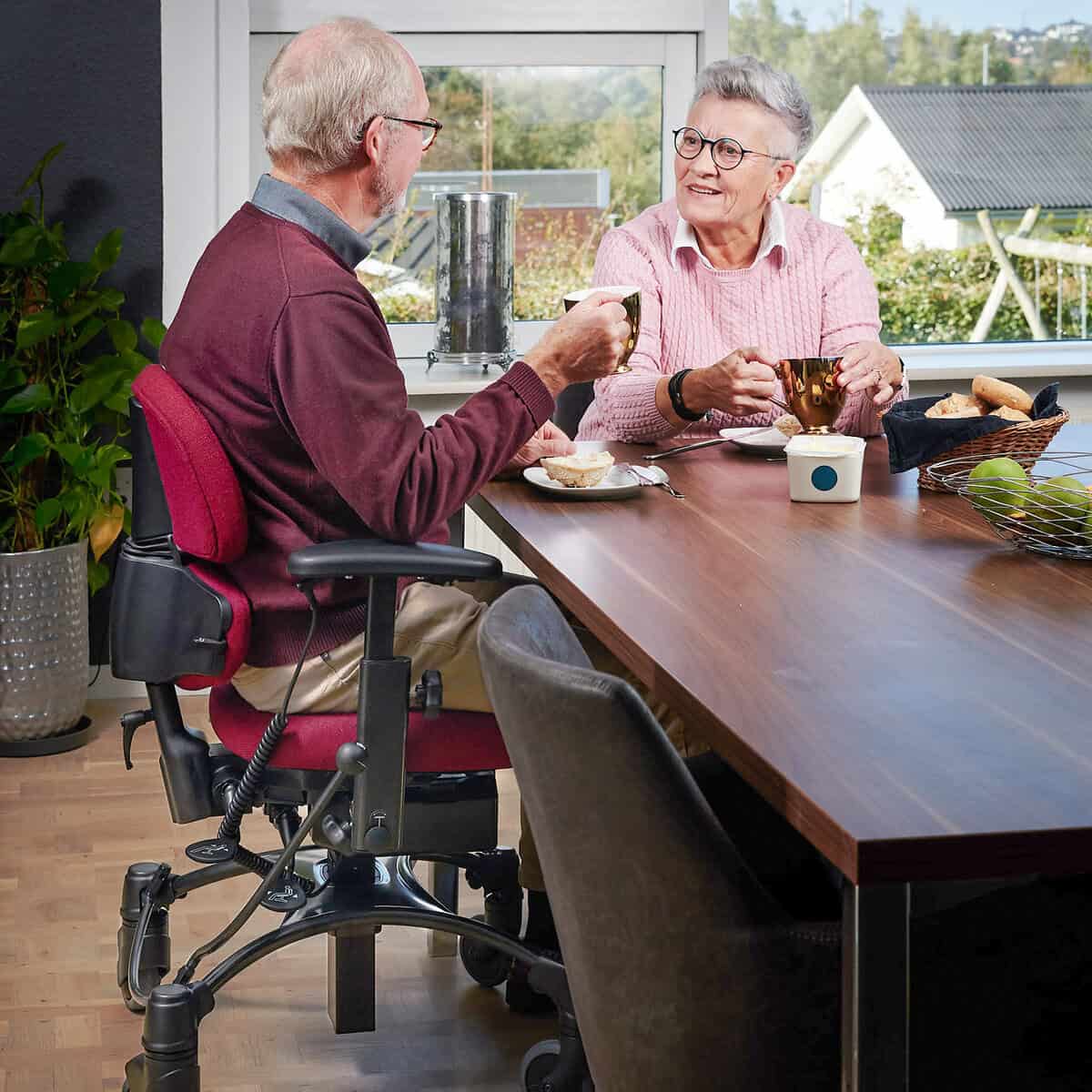
Given the challenges that some nursing homes face with staffing and the increasing desire among seniors to maintain independence at home, solutions that support aging in place are gaining traction. An example of a supportive solution is the VELA Independence Chair, a medically approved mobility chair designed for home use. This chair enhances safety by offering a stable seating platform, provides freedom of movement with features like a central brake and electric height adjustability, and supports daily activities such as cooking, dressing, or transferring, thereby easing the burden on informal caregivers.
Recent advancements in 3D printing and the use of lightweight biomaterials now enable the customization of mobility aids, improving ergonomics, comfort, and functionality for individual users. The ongoing development of such technologies broadens the options for effective support for seniors at home and in care facilities.iHealthcareAnalyst
Carlyle Senior Care of Fountain Inn emerges as a significant option for addressing the diverse needs of the elderly population in Fountain Inn. With a focus on skilled nursing, rehabilitation services, and personalized care, it offers substantial benefits, though there is room for improvement in staffing metrics. The facility’s adaptability to different financial situations further enhances its accessibility, making it a practical choice for families seeking quality elder care in South Carolina. The integration of modern technologies and data-driven care models reflects current best practices in senior care.
For those seeking thorough information on this facility, consulting resources like Medicare.gov and other authoritative healthcare platforms is advisable. These sources provide in-depth analyses of quality indicators, crucial for informed decision-making.
Staying Independent at Home with Support
ButterflyMX, “Senior Living Technology Trends 2025”
Cyces, “AgeTech Trends 2025: AI, Robotics & the Future of Aging”
RightAtHome, “2025 Trends for Seniors: Health, Technology, and Wellness”
HumanCareNY, “The Role of Assistive Technology in Geriatric Care Management”
iHealthcareAnalyst, “Geriatric Assistive Devices Market: Trends, Technologies & Outlook”
MIT News, “Eldercare robot helps people sit and stand, and catches falls”