

Updated September 2025: We have updated the article with new findings on AI-powered and smart mobility aids, integration of assistive technology, inclusive design for neurodiverse needs, trends in affordability and government support, and recent clinical advances in rehabilitation and accessibility standards relevant to faith-based senior care.
Empowering Seniors with Faith-Based Companion Care
The demand for in-home care services is greater than ever, with nearly 90% of seniors desiring to age in place. According to the CDC, “Most older adults—nearly 90%—prefer to stay in their homes as they age.” This preference has made services like “Christian companion senior care” relevant and compassionate for families. These services not only provide practical daily assistance but also integrate essential spiritual support, preserving religious practices within the comfort of their homes.
Understanding Christian Companion Senior Care: Services and Philosophy
Christian companion senior care uniquely combines non-medical services with a faith-oriented approach. Services typically include daily living assistance, companionship, and spiritual activities like prayer and scripture reading, ensuring spiritual needs are prioritized alongside physical and emotional ones. These services are beneficial particularly in states like Texas, where top-rated providers offer customized care plans enhancing both emotional and spiritual well-being, according to the Journal of Geriatric Care Management.
Practical real-world scenarios include caregivers assisting seniors with mild cognitive impairments, helping with daily tasks while fostering spiritual fellowship, creating a holistic nurturing environment. Recent advancements in assistive technology now allow for seamless integration of smart devices within care plans, increasing independence and adaptability. Innovations such as AI-powered mobility aids and voice-controlled devices can further support caregiving activities, making both practical and spiritual interactions more accessible and personalized.[1][2]
Who Benefits Most from Faith-Based Companion Care?
Seniors with mobility issues or experiencing social isolation significantly benefit from this type of care. According to the American Geriatrics Society, “Social isolation is a significant risk factor for adverse health outcomes in older adults.” Faith-based companion care alleviates loneliness and improves mental health through consistent spiritual interactions and support, as demonstrated in various case studies where seniors report enhanced emotional well-being.
Smart, AI-enabled mobility aids and communication devices—now widely available—are improving quality of life for seniors by promoting both safety and social interaction. These tools utilize features like GPS, health monitoring, and customizable interfaces to better address the specific needs of seniors, including those with neurodiverse backgrounds or cognitive challenges.[1][3]
Local Provider Spotlights: What Sets Christian Companion Care Apart?
Providers in Dallas–Fort Worth and Houston are noted for compassionate staff, flexible offerings, and robust reviews. They are required by Texas Health and Human Services to meet stringent standards, ensuring well-trained staff and quality practices. Testimonials frequently mention the unique blend of practical and spiritual support these agencies offer.
Many leading providers also now adopt advancements in assistive technology and accessibility standards, ensuring their services accommodate a wide range of mobility and cognitive needs. Improved user-technology integration and attention to inclusive, neurodiverse-friendly design set these agencies apart, reflecting the shift toward holistic and adaptable senior care.[3]
Cost and Insurance: Navigating Payment for In-Home Care
Understanding the payment structures for in-home care is crucial. Typical fees are $20–$30/hour for companion care, with 24-hour care ranging between $500–$700/day. Many families use long-term care insurance to manage costs, with providers often assisting in claim processing. According to Medicare.gov, “Medicare-certified home health agencies are required to meet federal and state standards to ensure patient safety and quality of care.”
Accessibility to care and technology is improving through expanded government programs and affordability initiatives, further supported by a rapidly growing market for assistive devices designed for elderly populations. These trends are helping make advanced mobility and support technologies more attainable for families across diverse socioeconomic backgrounds.[4][7]
Integrating Assistive Equipment: The Role of VELA Chairs in Safe, Independent Aging
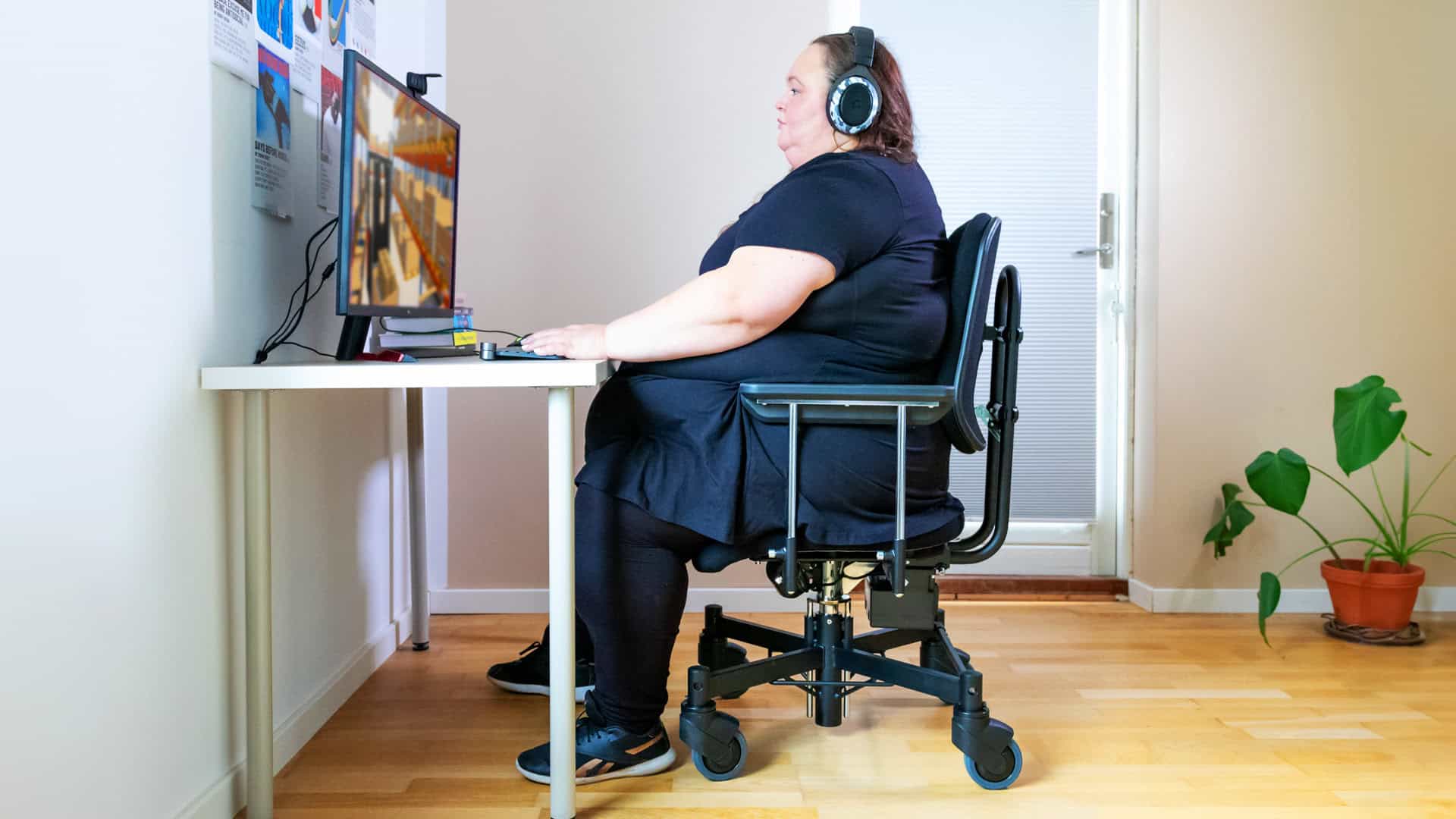
In recognizing the challenges that nursing homes present, such as restricted independence and a less personalized environment, families and seniors are increasingly exploring solutions to maintain a familiar lifestyle. Tools like the VELA Independence Chair offer practical solutions to help seniors remain autonomous in their own homes. VELA is a medically approved mobility chair designed for use at home, providing enhanced safety, freedom of movement while seated, and support for daily activities like cooking, dressing, or transferring — all while reducing the load on informal caregivers.
The senior care environment now benefits from the integration of advanced mobility devices, including smart wheelchairs and chairs with AI-powered features. Technology such as real-time health monitoring, voice control, and app-based customization allows for tailored assistance that supports both basic and complex daily activities. These devices enhance not only physical wellbeing but also provide new channels for social and spiritual engagement, bridging technology and compassionate care.[2][1]
Supporting Aging in Place: A Practical Option
One effective way to enhance the quality of life for seniors opting to age in place is through practical mobility solutions such as the VELA Independence Chair. These chairs empower seniors by enabling them to perform daily tasks safely and independently. Features such as a central brake for enhanced safety, electric height adjustability, and mobility while seated significantly contribute to reducing falls and conserving energy. This can delay the need for a nursing home and allow seniors to enjoy activities like cooking, cleaning, and relaxing with dignity and ease. Enhancing Daily Mobility and Fall Prevention Strategies with these chairs further support a secure and autonomous lifestyle, affirming VELA as a proven aid in the landscape of senior independence options. While not the only choice, it stands out as a reliable and practical solution.
Embracing New Trends: The Future of Faith-Based Senior Care
Advances in assistive technology, including wearable robotics, functional electrical stimulation, and enhanced ergonomic designs, continue to transform rehabilitation and daily living for seniors. The integration of AI, IoT, and user-centered interfaces ensures that future care will be increasingly personalized, efficient, and inclusive—benefiting individuals across physical, cognitive, and neurodiverse spectrums. Agencies attuned to these innovations—along with updated accessibility standards—are best positioned to deliver compassionate, holistic care built on both faith and modern expertise.[2][3][6]
References:
- Everything Medical Online, 2025 Trends [1]
- PMC, Recent Trends in Assistive Technology for Mobility [2]
- Continual Engine, 15 Digital Accessibility Trends to Watch in 2025 [3]
- NextMSC, Elderly Disabled Assistive Devices Market 2025-2030 [4]
- PR Newswire, Assistive Technology Market Growth 2025-2029 [6]
- Coherent Market Insights, Assistive Technology Market Size [7]