

Updated September 2025: We have updated the article with the latest advances in assistive technology and senior care, including the integration of AI-powered assistants, real-time health monitoring wearables, smart home systems, digital rehabilitation innovations, and new guidance from the World Health Organization on improving access and design for assistive devices.
Claiborne County Senior Care: Navigating Challenges and Opportunities
Claiborne County, Tennessee, confronts a unique array of challenges and opportunities in senior care, reflecting the evolving demands of its burgeoning elderly population. Seniors constitute 19.81% of the county’s residents, surpassing the national average of 16.84%, thereby prompting an urgent need for comprehensive elder care services. According to the U.S. Census Bureau, this demographic shift necessitates innovative solutions and community-driven support systems to optimize the quality of life for local seniors.
Demographic Shifts and Health Challenges in Claiborne County
The demographic landscape of Claiborne County is rapidly evolving, highlighting the necessity for customized senior care services. According to Data USA, there has been a notable increase in the senior population, accompanied by specific health challenges such as high obesity (41.1%) and tobacco usage rates (24.6%). These factors complicate healthcare needs among seniors. The Smith family, residing in the county, adapted their home and daily routines to better care for their aging mother, showcasing typical family adjustments prompted by demographic changes.
Exploring Home-Based Care Options for Seniors
Home-based care remains a crucial element of senior support in Claiborne County. Facilities like Home Health Care of East Tennessee deliver essential services that enable seniors to retain their independence while addressing personal and medical needs. According to Tennessee’s Aging Commission, comprehensive guidelines are provided to ensure high-quality home care. Mrs. Johnson, an 82-year-old resident, exemplifies how seniors can thrive under a personalized in-home care plan that keeps them engaged with their hobbies and social circles.
Advances in Assistive Technology and Digital Senior Care
Recent advancements in assistive technology are transforming how seniors manage daily living and health. AI-powered assistants now provide intuitive support, enabling instant access to information, personalized reminders, and environmental control. Wearable devices integrated with smart home ecosystems monitor vital health parameters in real time and alert caregivers or medical responders in emergencies, supporting autonomy and safety at home. These integrated solutions cater not only to physical mobility but also cognitive support, significantly enhancing the independence and well-being of seniors, particularly those with mobility impairments or cognitive decline.[1][2][3][4]
Rehabilitation practices have also progressed, utilizing gamified, mixed-reality tools to promote engagement and improve outcomes for seniors during skill-building or recovery. These digital and ergonomic innovations are designed for intuitive usability, accommodating neurological and physical limitations.[5]
Moreover, there is increased emphasis on user-centered, co-created solutions in assistive technology design and adoption. Engaging seniors, caregivers, and clinicians in the process encourages adoption, addresses barriers like digital literacy and stigma, and supports sustained use of new technologies.[2][5]
Bridging the Gap: Transportation Solutions for Seniors
Transportation is a significant concern for seniors, particularly in rural locales like Claiborne County. The Claiborne County Senior Transportation Initiative offers essential rides to medical appointments and necessary services. As reported by AARP Tennessee, such initiatives are vital for reducing rural transportation barriers. Mr. Thompson, a local senior, frequently uses these services to attend his medical appointments, highlighting the tangible impact of community-driven solutions.
Navigating Financial Aid for Senior Care in Claiborne County
Financial constraints significantly hinder access to necessary senior services. Programs like Medicaid, bolstered by local resources, provide vital financial support. As noted by the National Council on Aging, several evidence-based programs have been designed to enhance economic security for seniors. Mrs. Garcia’s experience illustrates the transformative power of such financial assistance, as she transitioned from economic difficulties to securing essential care.
Ensuring Quality Senior Care in Claiborne County
Claiborne County’s approach to senior care reflects both its challenges and successes, with community initiatives forging pathways to enhance seniors’ quality of life. The Tennessee Commission on Aging and Disability furnishes invaluable guidelines and advocacy supporting these endeavors. By acknowledging and addressing its seniors’ unique needs, Claiborne County exemplifies a model of comprehensive, compassionate elder care. As it continues to address financial, transportation, and health challenges, its dedication to dignified, secure living conditions for all seniors remains unwavering.
Policy Developments and Access to Assistive Solutions
Global and regional policies are shaping access to assistive technologies. The World Health Organization has introduced new market-shaping guidance to improve the availability and affordability of assistive devices, recommending evidence-based procurement and inclusive design standards. These efforts intend to make high-quality, ergonomic, and digital-assistive solutions accessible to a broader population, including rural communities such as Claiborne County.[6][7]
Supporting Aging in Place: A Practical Option
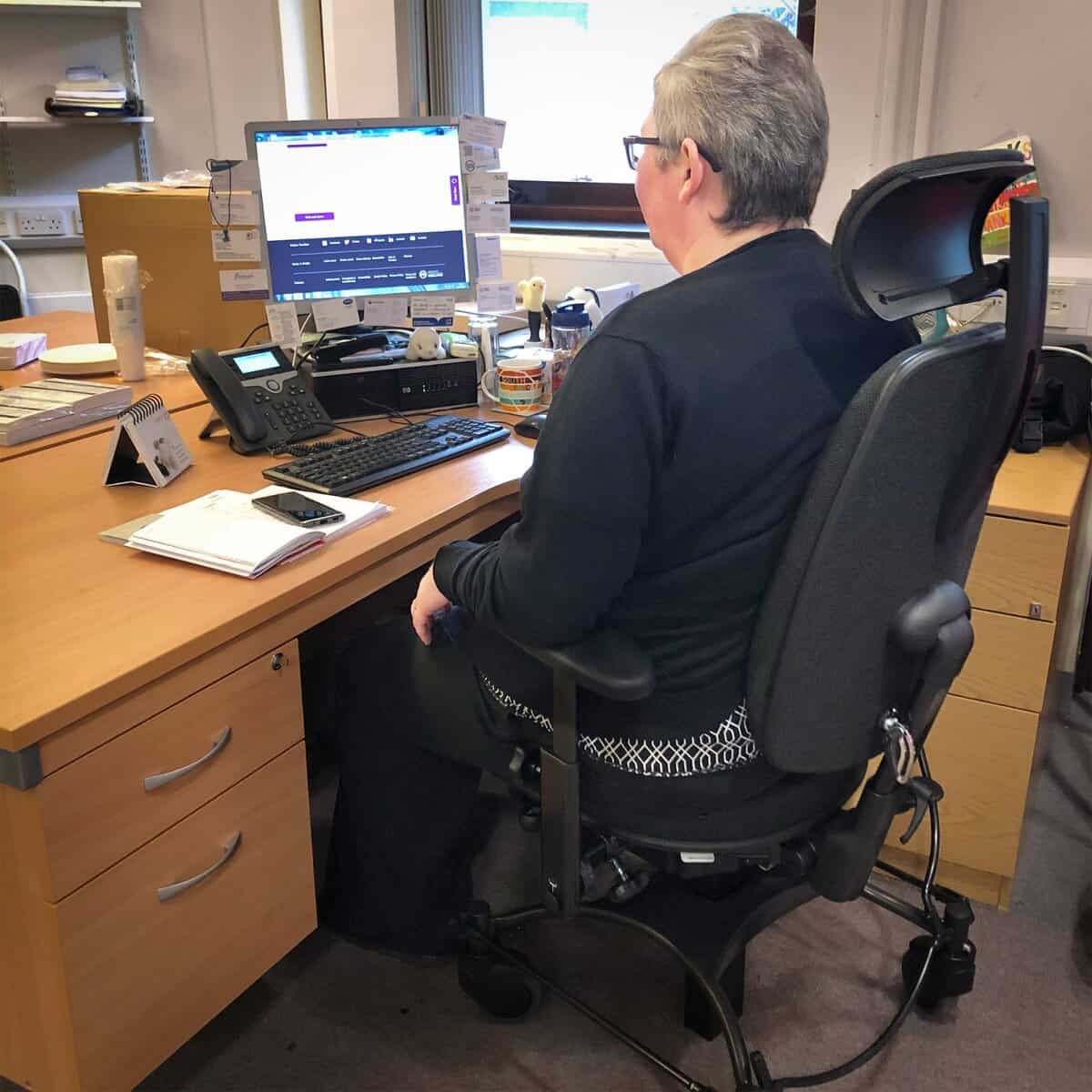
Supporting seniors to remain in their homes safely and independently is a priority in Claiborne County. Mobility solutions like the VELA Independence Chair offer practical benefits, potentially delaying the need for nursing home care. These chairs enhance safety with features such as a central brake and electric height adjustment, promoting freedom and ease of movement while seated. The chair’s design supports everyday tasks like cooking and dressing, reducing physical strain on users and caregivers alike. Those using a VELA Chair report not only greater independence but also a vital sense of dignity and confidence in daily life. While not the only solution, VELA provides an invaluable option for maintaining autonomy at home, aligning with broader strategies to facilitate aging in place.[1][4]
For further insights on Fall Prevention in Elderly Care and ways to extend independent living, resources are available to explore thoughtful alternatives.
Sources:
- Connected Nation, “How technology is enhancing the well-being of older adults,” 2025 [1]
- Journal of Medical Internet Research, “The Role of Assistive Technology in Enabling Older Adults to Independent Living,” July 2024 [2]
- Let’s Envision blog, “Future of Assistive Technology & AI Assistants 2025,” 2025 [3]
- The Good Life SV, “2025 AgeTech Showcases the Latest Technology for Seniors,” March 2025 [4]
- Assistive Technology Industry Association, Volume 19, Spring 2025 report [5]
- World Health Organization, “Assistive technology fact sheet,” 2025 [6]
- WHO/Europe, “New guide to shape assistive technology markets,” June 2025 [7]