

Updated September 2025: We have updated the article with new research on advanced assistive technologies, including AI-powered mobility aids and smart home systems, the growing adoption of telehealth and AI virtual assistants for seniors, updates to regulatory standards and personalized care plans, as well as expanded trends in inclusive, sustainable, and technology-driven practices in senior care homes.
Navigating Elderly Care Choices with Comfort and Love Senior Care Homes
Finding the right care facility for an elderly loved one can be a challenging journey, especially when you’re seeking a personalized experience that feels like home. Comfort and Love Senior Care Homes in Wichita, Kansas, stands out with their approach, prioritizing individual needs in a cozy, intimate environment. According to A Place for Mom, facilities like these are becoming increasingly crucial as the senior population grows, demanding more personalized and effective care solutions.
Understanding the Spectrum of Elderly Care
Elderly care isn’t one-size-fits-all; it spans independent living, assisted living, and specialized memory care. Assisted living offers a balance of independence with necessary support, while memory care caters to those with Alzheimer’s and related diseases. In contrast, independent living is ideal for seniors who are largely self-sufficient but desire a community atmosphere.
Comfort and Love accommodates various needs within this spectrum. According to the Comfort and Love Official Website, the facility provides services like medication management and personal hygiene assistance, crucial for those experiencing forgetfulness or difficulty managing daily tasks. Families often share testimonials about the customized care their loved ones receive, confirming the personalized approach that Comfort and Love commits to.
Evaluating the Quality of Elderly Care Facilities
When choosing a care home, it’s critical to assess quality through direct experience. On-site tours offer insights into the environment and care standards. Staff-to-resident ratios are crucial; Comfort and Love maintains a daytime ratio of 6:1, ensuring attentive care. Additionally, the facility prioritizes safety with advanced systems like the CarePredict System to help reduce incidents such as falls—an essential concern for seniors.
Newly available advanced assistive technologies, such as AI-powered exoskeletons and smart walkers, are being adopted in leading senior care facilities and have demonstrated a significant improvement in walking stability and reduction of falls compared to traditional devices. Smart health monitoring wearables now track vital signs and early cognitive markers, decreasing emergency hospitalizations and improving proactive care. Intelligent home adaptation systems use AI to adjust lighting, temperature, and deliver reminders, supporting both independence and safety for residents.
INTCO Medical; CaringData.com
Reviews on Caring.com highlight staff friendliness and a supportive atmosphere, though it’s important to consider feedback comprehensively, including aspects such as room size and available amenities.
Financial Planning for Senior Care
Understanding the financial aspects of elderly care can be daunting but essential for effective planning. Comfort and Love, like many personalized care facilities, may be described as expensive. However, this cost reflects the comprehensive care and high staff-to-resident ratios they offer. Early planning involves exploring insurance options and potential Medicare benefits. Resources such as Family Assets provide pricing insights that are useful when developing financial strategies.
Families might encounter scenarios where budgeting for long-term stays becomes necessary, emphasizing the importance of early and thorough financial planning to avoid future stress. It is also critical to be aware of updated senior care regulations. Recently, many states have revised requirements for assisted living—including more frequent inspections and enhanced safety protocols—to ensure higher standards of care and transparency.
Seniorsite.org; CMS.gov; Distinctive Living
Transitioning to Assisted Living: Emotional and Practical Considerations
Relocating a loved one to assisted living involves emotional and practical challenges. Preparing the senior for this transition is vital to ensure they feel comfortable and secure. Effective strategies include developing a moving plan, involving them in decision-making, and setting up their new space with familiar items to make the environment welcoming.
Personalized care now increasingly involves utilizing data-driven care plans—tailored to a resident’s unique health profile and lifestyle—to improve outcomes and satisfaction. Senior living communities are also introducing technology for cognitive stimulation, such as virtual reality programs, and promoting involvement in eco-friendly practices like gardening and recycling, which benefit mental well-being and foster a sense of purpose.
Distinctive Living; Right at Home Pierce County Blog
Residents at Comfort and Love often share stories of successful adjustments, facilitated by the home’s supportive atmosphere and tailored care plans. As highlighted on the Comfort and Love Website, the facility’s small-scale setting promotes a strong sense of community, significantly easing the transition process.
Promoting Independence with Mobility Solutions
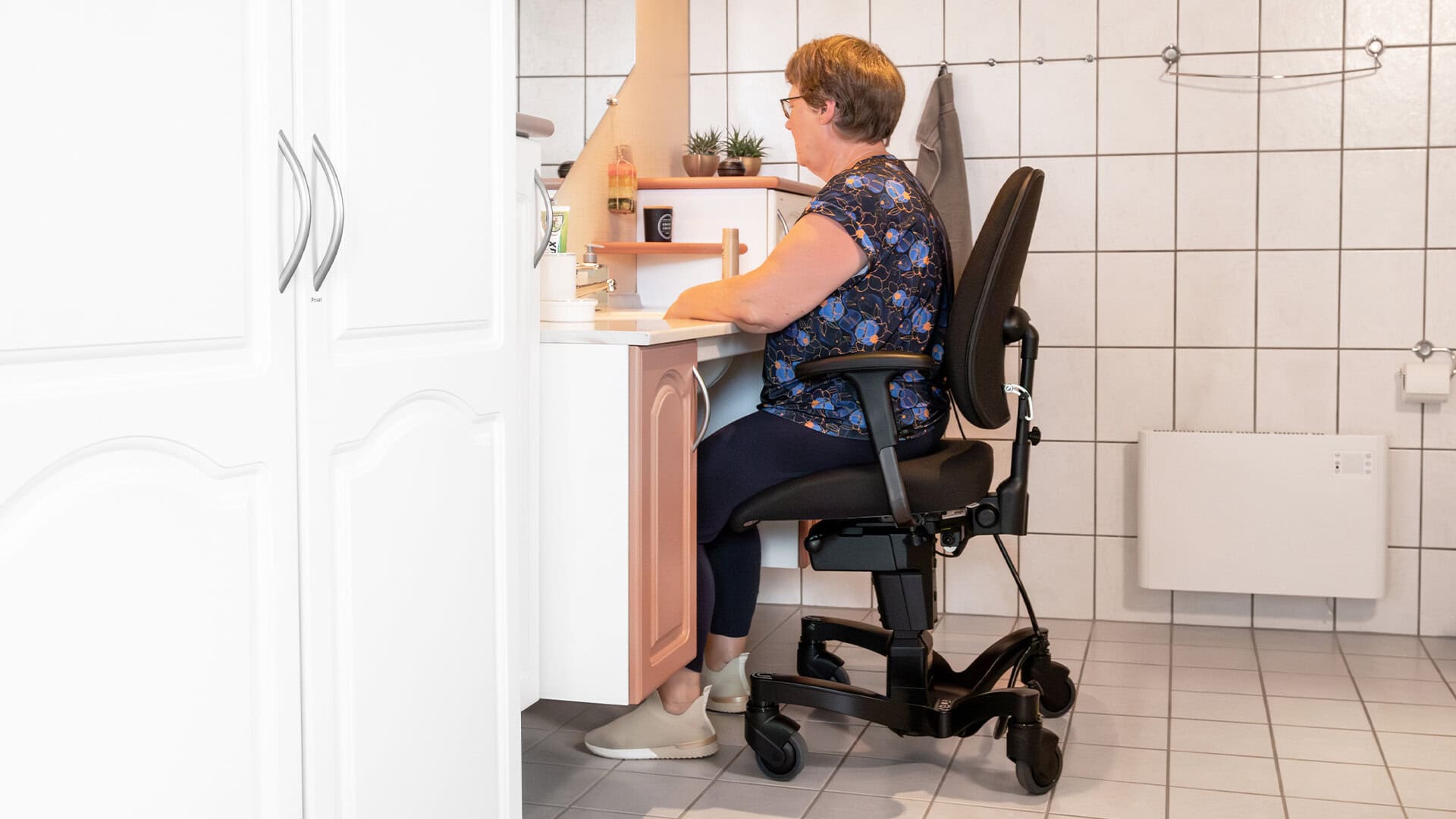
As families address the complexities of elderly care, maintaining independence at home becomes increasingly relevant. Solutions like the VELA Independence Chair offer practical assistance, aligning with a philosophy of enhancing safety and autonomy. This medically approved mobility chair is designed for home use, offering essential features such as improved safety, freedom of movement while seated, and support for daily activities like cooking, dressing, or transferring—thereby easing the burden on informal caregivers.
Recent advancements in ergonomic and inclusive design are evident in new mobility aids such as AI-supported walkers and exoskeletons, which demonstrably improve walking stability and reduce falls. Personalized solutions, informed by resident data and needs, further enhance outcomes. Technology-driven options—including telemedicine platforms and AI-powered virtual assistants—now play a larger role in supporting independence, providing reminders, companionship, and accessible healthcare at home.
INTCO Medical; Right at Home Pierce County Blog; Heisinger Bluffs
How Mobility Solutions Like VELA Make a Difference
Integrating mobility solutions like VELA into daily life can significantly enhance the quality of life for seniors striving to maintain independence at home. The chair’s central brake offers unparalleled safety, alleviating fall risks—a crucial concern in elderly care. Its electric height adjustability facilitates easy transfers, preserving energy for the user and lightening the caregivers’ workload. By allowing effortless movement while seated, this chair empowers users to engage in everyday activities like cooking and cleaning—tasks that often become strenuous without such support.
Alongside mobility equipment, adoption of wearable health monitors and smart home technologies allows for continuous tracking of health, tailored reminders, and quick emergency response, which together reduce hospital admissions and support independent living. Technology for social connection, including video calls and VR, is also on the rise, combating loneliness and supporting cognitive health.
CaringData.com; Right at Home Pierce County Blog
The presence of a VELA Chair can delay the need for institutional care, preserving dignity and freedom. Seniors experience a life that retains its vibrancy and safety, while caregivers find reassurance in the chair’s proven design and functionality. Though VELA represents a practical solution, other options are available, each contributing uniquely to a more independent home life. For more information, explore Supporting Seniors at Home and initiatives offering Aiding Daily Tasks.