

Updated September 2025: We have updated the article with the latest advances in assistive technology for seniors, including AI-powered mobility aids, advanced health monitoring wearables, smart home automation, telehealth, innovations in cognitive health, and the importance of inclusive, user-centered design.
Comfort Care Senior Living: Enhancing Quality of Life for Seniors
Searching for the best care options for seniors can be overwhelming, but understanding the nuances of comfort care can help families make informed decisions. Comfort care focuses on improving quality of life for seniors, especially those aged 75+, by managing symptoms and addressing comprehensive needs—physical, emotional, and spiritual. According to the National Institute on Aging, comfort care is an essential aspect of medical care at the end of life, ensuring the dignity and comfort of seniors during their remaining time.
Understanding Comfort Care for Seniors: Definition and Approach
Comfort care, as opposed to curative treatment, prioritizes symptom management and quality of life over disease eradication. This holistic approach considers physical pain, emotional, and spiritual needs. Communities like Westmont Living offer real-life examples of fostering emotional well-being through personalized care and community activities. For instance, resident stories often highlight how such environments make daily life significantly more meaningful by ensuring seniors feel seen and valued.
Distinguishing Between Comfort Care, Palliative Care, and Hospice Care
Understanding the differences between these care types is crucial. Comfort care is commonly confused with palliative and hospice care, each having distinct roles. Palliative care coincides with curative treatments and is suitable for serious illnesses, providing symptom and stress relief. According to Crossroads Hospice & Palliative Care, hospice care focuses on individuals nearing the end of life, ceasing curative treatments, whereas comfort care is singularly devoted to comfort when medical interventions are no longer beneficial.
Key Components of Quality Comfort Care in Senior Living
Quality comfort care involves effective pain management, emotional support, social activities to prevent isolation, and now increasingly integrates advanced technologies to improve daily living. The latest assistive devices for seniors include AI-powered exoskeletons that enhance mobility and stability, reducing falls by up to 45%, which is a significant improvement compared to traditional walking aids. Comprehensive health monitoring wearables can now track a greater range of health metrics, including early cognitive changes, leading to a 30% reduction in emergency hospitalizations through early detection and intervention. In addition, AI-driven music therapy apps and brain training devices are supporting cognitive health, reducing anxiety, agitation, and the need for psychiatric medication, enabling more seniors with dementia to live safely and independently. Providers like Mary T., Inc. have also incorporated these structured and informal activities into daily routines, amplifying the benefits of social engagement with digital and traditional methods. INTCO Medical, The Good Life Silicon Valley, and Connected Nation provide additional insights on these technological advancements.
Financial Planning for Comfort Care in Senior Living
Comfort care costs can vary widely. Assisted living can range from $3,000-$5,000 monthly, while nursing homes can cost between $6,750-$7,500 monthly. As per Koelsch Senior Communities, exploring insurance options and long-term care policies is essential to ease financial burdens, ensuring families focus on their loved ones’ well-being. When budgeting, it may be beneficial to consider newer assistive technologies, including smart home automation or advanced mobility equipment, as these can reduce some care needs and promote longer, safer independent living at home. Breeze Hospice Services notes how modern assistive solutions can optimize both quality of life and overall care costs.
Transition to VELA Integration
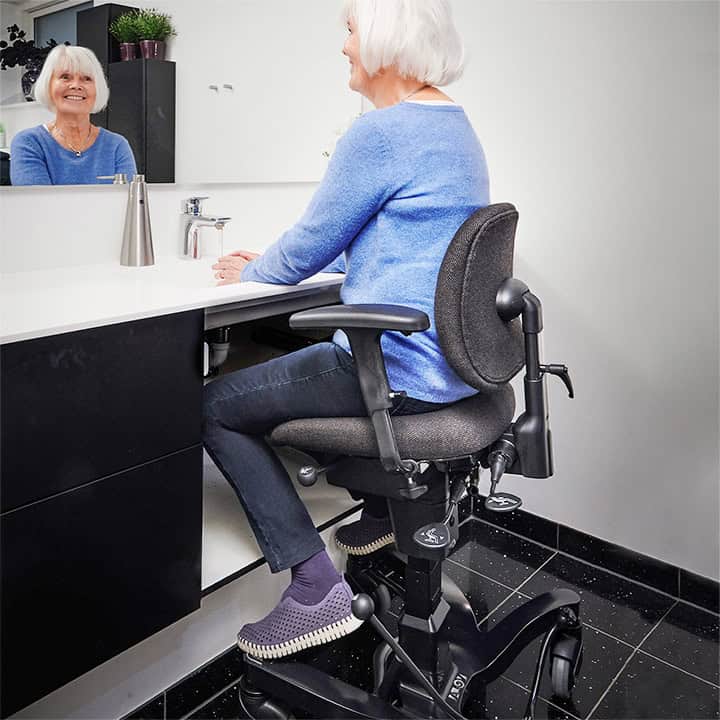
With the rising costs and emotional challenges associated with nursing homes, many families are seeking alternative solutions that allow older adults to maintain independence in the comfort of their own homes. Specialized mobility solutions, such as VELA chairs, offer a promising pathway for achieving this goal. Medically approved for home use, these chairs enhance safety while providing freedom of movement and support for daily activities like cooking, dressing, and transferring. By reducing physical strain, VELA chairs not only promote seniors’ autonomy but also alleviate the burdens on informal caregivers, fostering a dignified lifestyle for aging individuals. This focus on user-centered and ergonomic design has become more prominent in recent years, ensuring mobility equipment is accessible, comfortable, and aligns with real user needs.Channel Point Village, PubMed Central.
Staying Independent at Home with Support
VELA chairs provide a practical solution for seniors wishing to remain independent at home longer. Designed with features like a central brake system for safety, electric height adjustability, and ease of movement while seated, these chairs directly address essential aspects of safe home living. Today, home environments also benefit from increased integration of AI and IoT devices that can automatically adjust lighting, temperature, medication reminders, and send emergency alerts, with remote monitoring and voice control features that boost both security and independence. As seniors prepare meals, manage personal care, or relax, mobility solutions can help save energy, ensuring everyday life activities are manageable without undue stress. By potentially delaying the need for nursing home care, VELA chairs and similar advancements embody values of dignity, freedom, and safety, illustrating how even small interventions can make a significant difference. Additionally, the emergence of integrated AI assistants offers real-time support and guidance, further enhancing accessibility and safety within the home setting. While VELA is not the only option available, it stands out as a proven and practical method of supporting aging individuals at home. For further insights, explore Enhancing Mobility at Home and Empowering Seniors with Mobility Chairs.
Sources:
- INTCO Medical: Top 5 Cutting-Edge Equipment for Seniors in 2025
- Channel Point Village: Assistive technology trends 2025
- Connected Nation: Technology enhancing older adults’ well-being
- Breeze Hospice Services: Role of assistive devices in elderly care
- PubMed Central: 25 years review on assistive technology growth and user co-creation importance
- LetsEnvision blog: Future of assistive technology and AI assistants
- The Good Life Silicon Valley: 2025 AgeTech Summit insights
- Assistive Technology Outcomes and Benefits, Volume 19 (June 2025)