

Updated September 2025: We have updated the article to reflect the latest advances in assistive technology for senior care, including the integration of smart home systems, wearable health monitors, and the use of smart televisions to foster social interaction. The article now addresses new trends in universal and inclusive design, highlights the expansion of telehealth as a complement to assistive devices, and includes important new guidance from the World Health Organization on improving access to and affordability of assistive technology.
Compassionate Senior Care
The integration of technology in senior care is a revolutionary step in the industry. Recent advances now include not only health monitoring apps that track vital signs like heart rate and blood pressure but also wearable devices and smart home systems designed to enhance independence and dignity. New smart devices, such as voice-activated assistants, automated lighting, and even smart televisions, are making it easier for seniors to participate in proactive health management, communicate with family, and maintain autonomy at home. These familiar household objects reduce barriers to adoption and seamlessly fit into daily routines. As Dr. Robert Kelly from TechCare Insights illustrates, “These tools not only reduce emergency situations by providing alerts but also empower seniors to participate actively in managing their health.”
Technology also facilitates better communication among family members, caregivers, and residents through video calls and messaging apps. This constant connection ensures that family involvement in senior care remains robust, adding a crucial layer of emotional support. Smart televisions, for example, now serve as accessible platforms for video conversations and interactive social engagement, supporting social connectedness for those who may face mobility limitations.
Supporting aging in place: A practical option
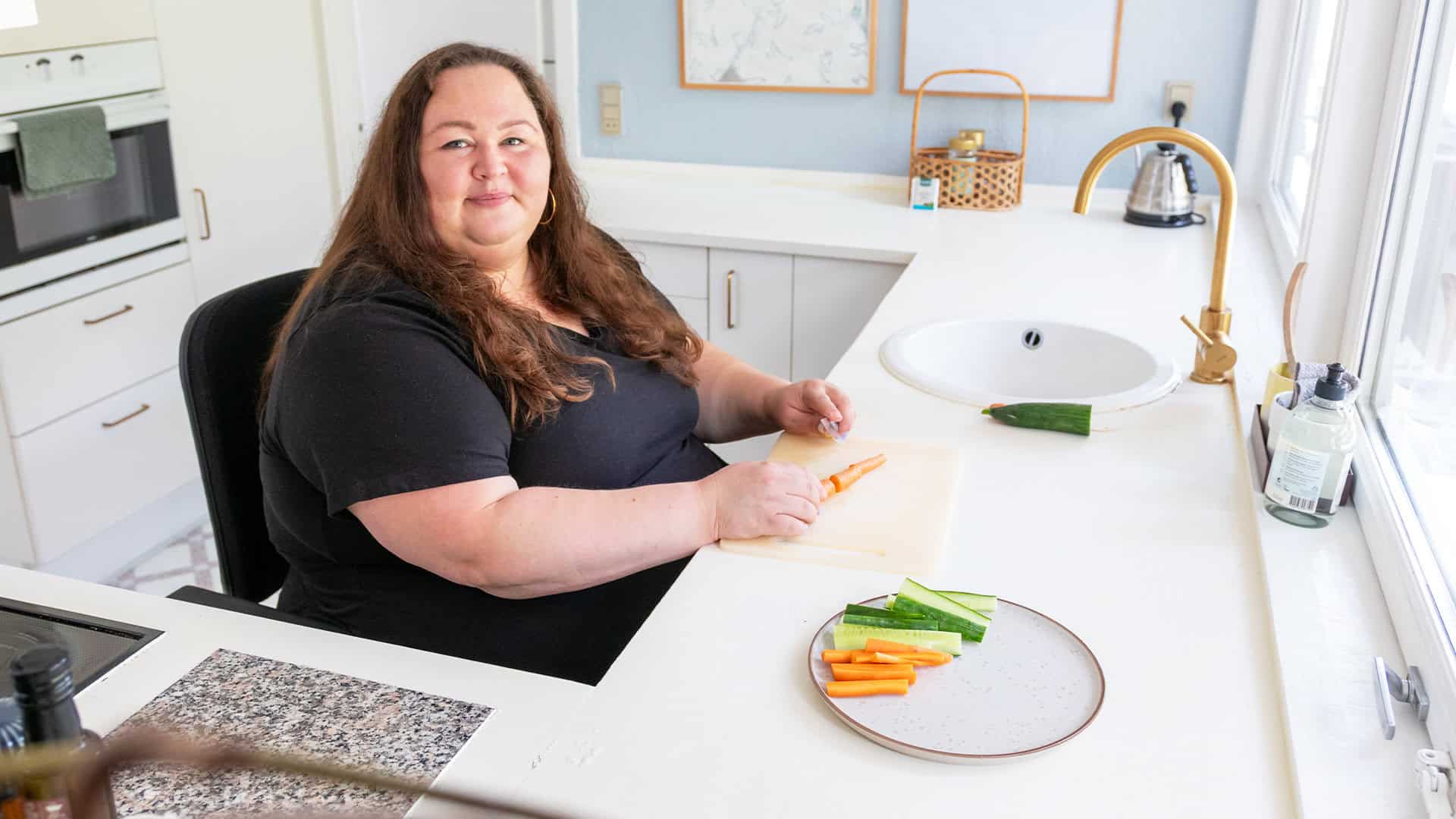
For seniors desiring to maintain independence at home, the VELA Independence Chair can be transformative. By providing stable support and enhancing safety with features like a central brake, the chair minimizes fall risks — a major concern during aging. Its electric height adjustability and ease of mobility allow for simple transitions from various activities, such as preparing meals or moving between rooms. Imagine the increased freedom when cooking is no longer a balance challenge, or the relief when dressing doesn’t require constant assistance. These enhancements help preserve safety, energy, and dignity, extending the period seniors can live comfortably at home, potentially delaying or preventing the need for nursing home care.
While VELA offers a proven and practical solution, it is not the only option available for enhancing such independence. Modern approaches now pair ergonomic adaptive clothing and user-centered design with high-tech solutions like smart home technologies and integrated telehealth. Telehealth services enable remote consultations and chronic condition management, broadening healthcare access for those living at home. The latest guidelines from the World Health Organization emphasize the need for affordability, accessibility, and sustainable financing to ensure everyone can benefit from these advances. Moreover, involving seniors and caregivers in the co-creation of devices has led to improved usability and satisfaction. More insights can be found on Mobility Aids for Seniors and safety measures on Fall Prevention Strategies for Seniors, underscoring the importance of informed choices in compassionate senior care.
References
- Connected Nation blog on technology enhancing well-being of older adults (2025)[1]
- Silverts’ report on investing in assistive technology including adaptive clothing and smart home devices (2025)[2]
- Journal of Medical Internet Research: Overview of 25 years of assistive technology use expansion and co-creation in the UK (2024)[3]
- JMIR Rehabilitation and Assistive Technologies: Study on smart televisions as assistive technology to improve social interaction for older adults (2025)[4]
- Assistive Technology Industry Association (ATIA) Spring 2025 report on innovative assistive devices and user training approaches[5]
- WHO/Europe’s 2025 Guide for Assistive Technology Market Assessment and Shaping, offering frameworks to improve access and affordability globally[6]