

Updated September 2025: We have updated the article with new findings on AI-powered assistive technologies, wearable health monitors, smart medication management systems, advanced fall detection, telemedicine, and the latest ergonomic and sustainable design trends in senior living. Additional attention has been given to regulatory changes, expanded personalization, and user-focused inclusivity in continuum of care environments.
Comprehensive Care for Aging Adults: Continuum of Care Senior Living
As the population ages, there is a growing interest in innovative solutions that support seniors through all stages of their health journey. Continuum of care senior living emerges as a holistic approach, providing a seamless progression of living arrangements, from independent living to specialized care, all within one community. Recognizing the need for stability and continuous care, these communities are designed to provide not only medical support but also enhance the quality of life of their residents. According to CDC, in 2022 alone, nearly 1.3 million residents lived in U.S. nursing homes, and over 811,500 in residential care settings such as assisted living—a testament to the prevalence and significance of such communities.
What Is Continuum of Care Senior Living?
Continuum of care senior living involves a spectrum of care stages, allowing residents to transition smoothly as their needs evolve. These communities support residents comprehensively, offering independent living, assisted services, memory care, and skilled nursing. For instance, a resident may start in independent living, enjoying a vibrant, self-sustained lifestyle, and gradually move into memory care within the same community if cognitive needs demand. This approach, as described by Kendal on Hudson, ensures that residents can age in place without the trauma of relocation, maintaining social networks and a sense of belonging.
How Does the Continuum of Care Model Work?
Transitioning between levels of care within a continuum model involves coordinated efforts between the community, residents, and their families. An illustrative scenario might involve a resident moving from assisted living to skilled nursing after a health change, such as a fall or illness. The community’s coordinated care planning prevents the stress of transferring to a different facility. Research published in The Gerontologist highlights the benefits of such transitions, focusing on improved family communication and reduced relocation-induced stress.
Costs, Contracts, and Financial Planning for Continuum of Care
Understanding the financial implications of continuum care is crucial for prospective residents and their families. Typical costs involve an entrance fee, ranging from $100,000 to $1 million, followed by monthly payments of $1,000 to $5,000, depending on location and service level, as explained by Medicare. A fictional couple might navigate the decision by evaluating their savings and projected needs, ensuring that they can manage entrance costs and ongoing fees. Financial planning, inclusive of potential subsidies or nonprofit options, supports informed decision-making, ensuring a sustainable stay within the community.
Technology and Assistive Devices Supporting Senior Independence
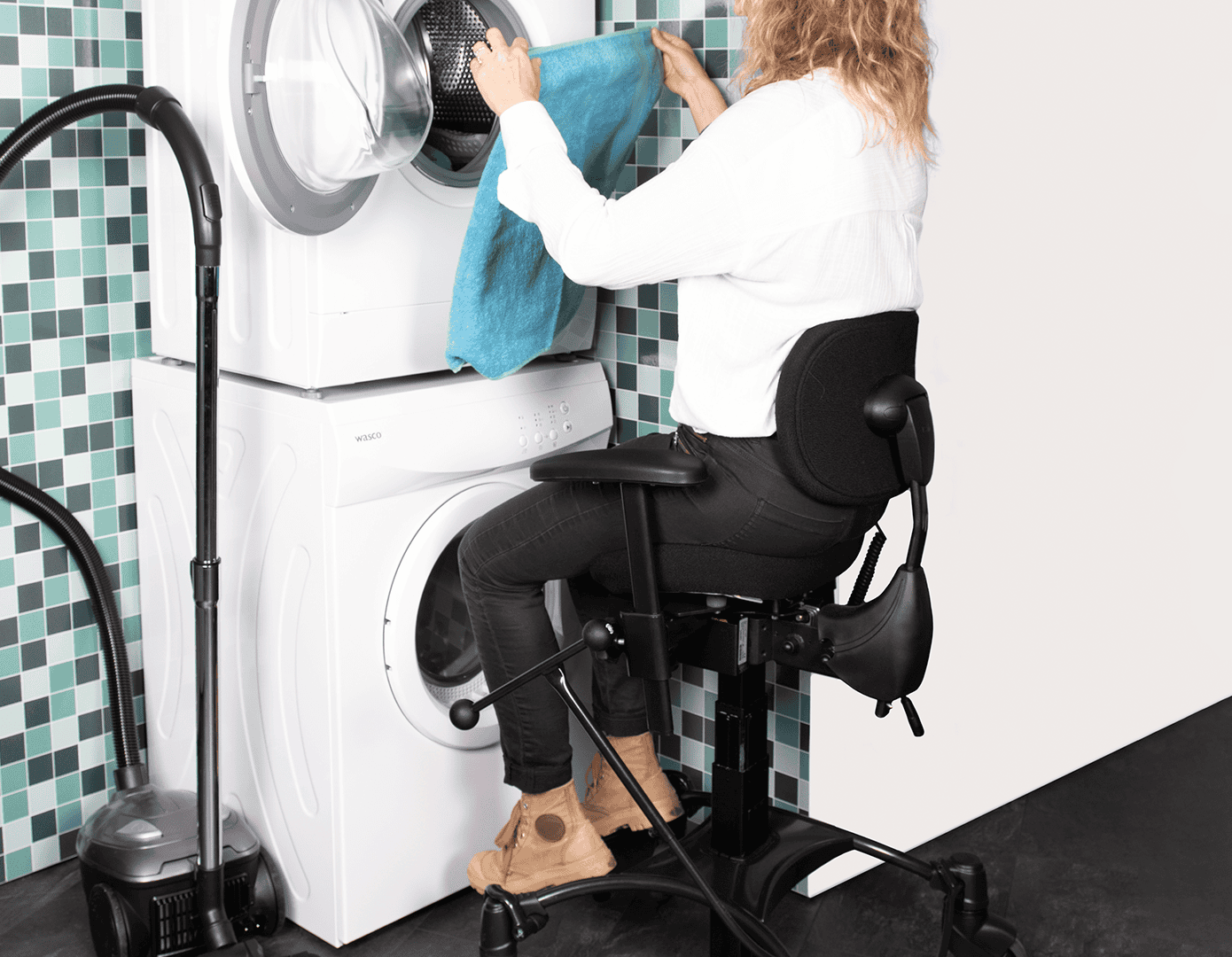
To address the challenges faced by seniors in nursing homes and extend their independence at home, solutions like the VELA Independence Chair are invaluable. This medically approved mobility chair is designed to enhance safety and freedom of movement while seated, supporting daily activities such as cooking, dressing, or transferring. By reducing the physical burden on informal caregivers, the VELA chair helps seniors maintain autonomy, and mobility chairs for seniors can be integral in an environment dedicated to senior care.
Recent advances in assistive technology have brought AI-powered health monitors, wearable devices, smart medication management systems, and advanced fall detection solutions to the forefront of senior living. Smart home environments now feature voice-activated assistants, environmental sensors, and telemedicine platforms, supporting real-time health monitoring and remote care integration. Enhanced fall detection technology with up to 95% accuracy, along with medication dispensers offering real-time compliance tracking, help prevent adverse events and promote safety for those with limited mobility. The industry trend toward ergonomic, sustainable, and inclusive product design now ensures that assistive devices are more comfortable, easier to use, and tailored to a wide range of physical and cognitive needs.
Heisinger Bluffs, Distinctive Living, Ultimate Senior Resource, Senior Site, Align Senior Care.
Springpoint Senior Living highlights the importance of community-wide support, underscoring how integrated assistive devices improve seniors’ quality of life by maintaining their dignity and comfort as they age.
Comprehensive Care for Aging Adults
In summary, the continuum of care senior living model is a cornerstone for providing adaptable and comprehensive care across the various stages of aging. These communities not only offer peace of mind through medical and daily life support but also foster social continuity and emotional security. According to guidelines from the Texas Department of Insurance, the oversight and regulation of CCRCs ensure transparent and high-quality care provision, balancing residents’ rights with their evolving needs. As the landscape of senior living evolves, there is an industry-wide shift toward proactively using AI-driven analytics, telemedicine, and continuous monitoring technologies to prevent health issues and support early intervention. Updated regulatory frameworks around telehealth and assistive device coverage are increasing access and affordability, promoting adoption in diverse senior living and home settings.
Juniper Communities, CLAconnect.
Staying Independent at Home with Support
How can seniors stay independent longer at home? Solutions such as the VELA chair play a crucial role. These chairs offer features like a central brake for enhanced safety, electric height adjustability, and ease of movement while seated. For seniors, this can delay the need for moving to a nursing home, helping maintain dignity and freedom within their own living spaces. Imagine a senior, previously needing assistance with basic chores, now navigating daily life with confidence and less physical exhaustion due to smart seating solutions. Assistive solutions for aging in place not only address safety and ease of transfers but also preserve energy and reduce caregiver burden.
The current generation of smart technologies, including remote patient monitoring, AI-driven health alerts, and voice-activated home environments, is enabling seniors to personalize their care while preserving their independence and joy of home life. Inclusive and ergonomic solutions cater to both physical and cognitive needs, while flexible living arrangements such as co-housing and Continuing Care at Home are increasingly available, providing seniors with affordable and adaptable support options tailored to their preferences and values.
Distinctive Living, Juniper Communities.