

Updated September 2025: We have updated the article to include new findings on AI-powered assistive technologies, smart home integration, cognitive health apps, and the latest trends in digital literacy, inclusive product design, and telehealth for rural seniors. The article now addresses advanced tools supporting mobility and independence, as well as recent challenges and innovations in country living senior care.
Understanding Country Living Senior Care
Country living senior care is an increasingly popular choice for older adults seeking a peaceful and fulfilling lifestyle. This form of care is particularly appealing because it combines the tranquility of a rural setting with essential support services. Let’s explore how it fosters independence, functionality, and user-friendliness for seniors.
The Appeal of Country Living Senior Care
For many seniors, the allure of country living lies in the serene environment and slower pace, often linked to a higher quality of life. According to Medicare’s Nursing Home Compare tool, rural care facilities may offer more personalized attention due to smaller resident numbers and dedicated staff.
Despite the advantages, it is important to acknowledge potential challenges such as limited access to specialized medical services. A balanced view ensures that families make informed decisions when considering country living senior care.
Enhancing Independence with Country Living Senior Care
Independence is a core value for seniors opting for country living. Facilities often encourage residents to engage in Activities of Daily Living (ADLs) and Instrumental Activities of Daily Living (IADLs), enabling them to maintain a sense of autonomy. Daily routines might include gardening, leisurely strolls, or participating in communal events, contributing to overall well-being.
Advancements in assistive technology have further extended the possibilities for independence in rural settings. AI-powered devices—such as smart mobility aids, AI personal assistants, and adaptive wearables—now offer real-time cognitive, mobility, and safety support. These tools can adjust to individual behavior and preferences, providing highly personalized assistance for activities at home and in nature (Let’s Envision Blog, 2025).
Supporting Mobility and Safety at Home
Seniors wishing to stay in their homes often face challenges of safety and mobility. Innovative solutions like the VELA Independence Chair can significantly enhance independence. This medically approved mobility chair is designed with features such as central brakes for safety, electric height adjustability, and ease of movement. Such aging in place products help seniors to perform daily tasks with reduced risk, supporting both the individual’s and caregiver’s peace of mind.
More recently, integration of smart technology—ranging from AI-powered smart home systems and intelligent emergency response devices to remote monitoring platforms—has further promoted safe, independent living for seniors in rural environments. These developments help reduce response times in emergencies, support telehealth consultations, and provide ongoing monitoring for caregivers, particularly in geographically isolated areas (NCBI, 2025).
Supporting Aging in Place: A Practical Option
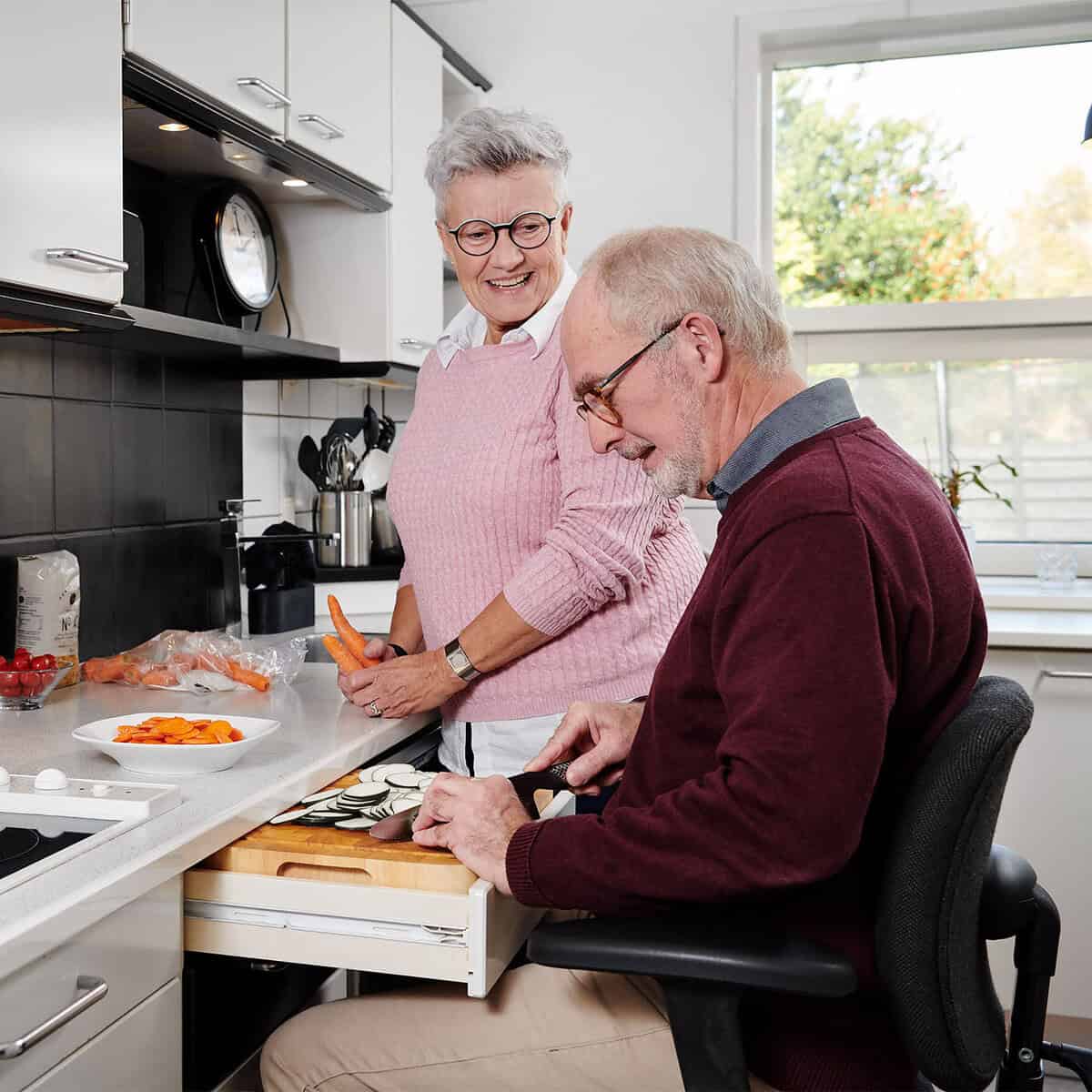
Staying independent at home is a priority for many seniors who wish to age in place. Products like the VELA Independence Chair make this possible by addressing safety, energy, and independence concerns. Imagine a senior comfortably cooking in their kitchen or simply enjoying a restful afternoon, with burdens on caregivers eased. While not the only option available for enhancing the quality of home life, the VELA Chair exemplifies how practical mobility solutions can benefit everyday living. Its thoughtful design ensures that seniors can reside in familiar surroundings for longer, supported by strategically developed aids.
In addition to physical aids, cognitive health support has become more accessible through AI-based solutions such as music therapy and brain training applications. These tools, shown to reduce dementia-related symptoms and support memory, are increasingly integrated within care practices for seniors in rural areas (NCBI, 2025).
Efforts to expand digital literacy programs and inclusive, user-centered design principles are addressing accessibility challenges and promoting greater acceptance of digital health tools and assistive technology in country living scenarios (ATIA Journal, 2025). However, issues such as privacy, equitable access, and scalability remain important considerations for future adoption and policy-making in rural senior care (Connected Nation Blog, 2025).
By prioritizing a holistic approach to care, country living senior care not only supports the independence and comfort of its residents but also embraces a lifestyle that many seniors find enriching and fulfilling. With the latest assistive technologies, cognitive health resources, and inclusive design, rural living continues to evolve as a rewarding option for seniors and their families.