

Updated September 2025: We have updated the article to include recent advancements in AI and IoT-enabled assistive devices, ergonomic and customizable mobility aids, and the integration of smart technologies and telemedicine in senior care. The article now covers emerging trends in device personalization, remote health monitoring, and addresses current market and accessibility challenges for elderly support solutions.
Dedicated Senior Care: Navigating the Future of Elderly Well-being
As the American population ages, the need for specialized and dedicated senior care solutions becomes more pressing. Currently, seniors aged 65 and older represent 17.5% of the U.S. population, indicating a significant demographic that requires targeted healthcare services. According to U.S. Census Bureau, this article explores the current landscape of dedicated senior care, its benefits, challenges, and potential technological advancements aimed at enhancing the quality of life for seniors.
Understanding the Dedicated Senior Care Model: Beyond Traditional Healthcare
Dedicated senior care is a comprehensive approach encompassing both medical and home care services tailored to meet the unique needs of the elderly. This model emphasizes continuity and personalization, leading to improved disease management and prevention. Unlike traditional healthcare, dedicated senior care fosters long-term relationships between seniors and their healthcare providers, ensuring they receive personalized attention.
Consider the case of Mr. Johnson, an 82-year-old with chronic hypertension and diabetes, who, after partnering with a dedicated healthcare provider, achieved significant improvements in managing his conditions. His provider regularly monitors his blood pressure and glucose levels via telehealth, allowing timely interventions and avoidance of potential complications. This personal approach often results in better health outcomes and overall well-being. According to America’s Health Rankings, this method proves beneficial.
Benefits of Having a Dedicated Healthcare Provider for Seniors
One of the primary benefits of dedicated senior care is the continuity of care it provides. This ongoing relationship between seniors and their healthcare providers contributes to comprehensive health management, timely intervention, and holistic care planning. The Premier Home Care Industry Report highlights that seniors receiving consistent care are more likely to experience positive health outcomes.
For instance, Mrs. Davis, a senior with chronic arthritis, worked with her dedicated provider to develop a proactive care and pain management plan. Together, they utilized telehealth consultations and periodic home visits to adjust her treatment plan as needed, ensuring pain relief and enhancing her mobility. This collaboration not only alleviates pain but also provides the senior with the emotional comfort of a trusted healthcare partnership.
Home-Based vs. Facility-Based Dedicated Senior Care: Making the Right Choice
Choosing between home-based and facility-based care depends on several factors, including the level of care required, personal preference, and financial considerations. Home-based care offers the comfort of familiar surroundings and often includes personalized caregiver support. Conversely, facility-based care provides structured environments with ready access to medical professionals and advanced infrastructure.
According to The Senior List, seniors in home care may benefit from customized therapy sessions and the presence of family, while those in facilities enjoy activities and socialization opportunities.
Technology Solutions in Modern Dedicated Senior Care
The advent of technology in senior care has ushered in new avenues for improving efficiency, safety, and accessibility. Recent years have seen a significant rise in the integration of artificial intelligence (AI) and Internet of Things (IoT) technologies within assistive devices. These smart tools offer personalized support, facilitate real-time health monitoring, and enable seniors to maintain greater independence at home. Examples include AI-powered wheelchairs capable of autonomous navigation, adaptive hearing aids, sensor-equipped mobility aids for fall and movement monitoring, and voice-activated home systems that assist with daily routines and medication reminders. Rapid advancements in 3D printing and novel biomaterials are making lightweight, durable, and ergonomically tailored devices a reality for seniors, improving their comfort and daily function. These innovations are complemented by continued use of telehealth, allowing for routine check-ups, medication management, and timely communication with healthcare professionals without leaving the home. Channel Point Village, PMC (NCBI), iHealthcareAnalyst, ArHomeCare.com.
Take Mrs. Lee, a senior leveraging telehealth technology for routine check-ups and health monitoring. She uses video consultations to connect with her healthcare provider, reducing the need for frequent visits to medical facilities and enabling more consistent monitoring of her health conditions.
Meeting Nursing Home Challenges with Home Independence
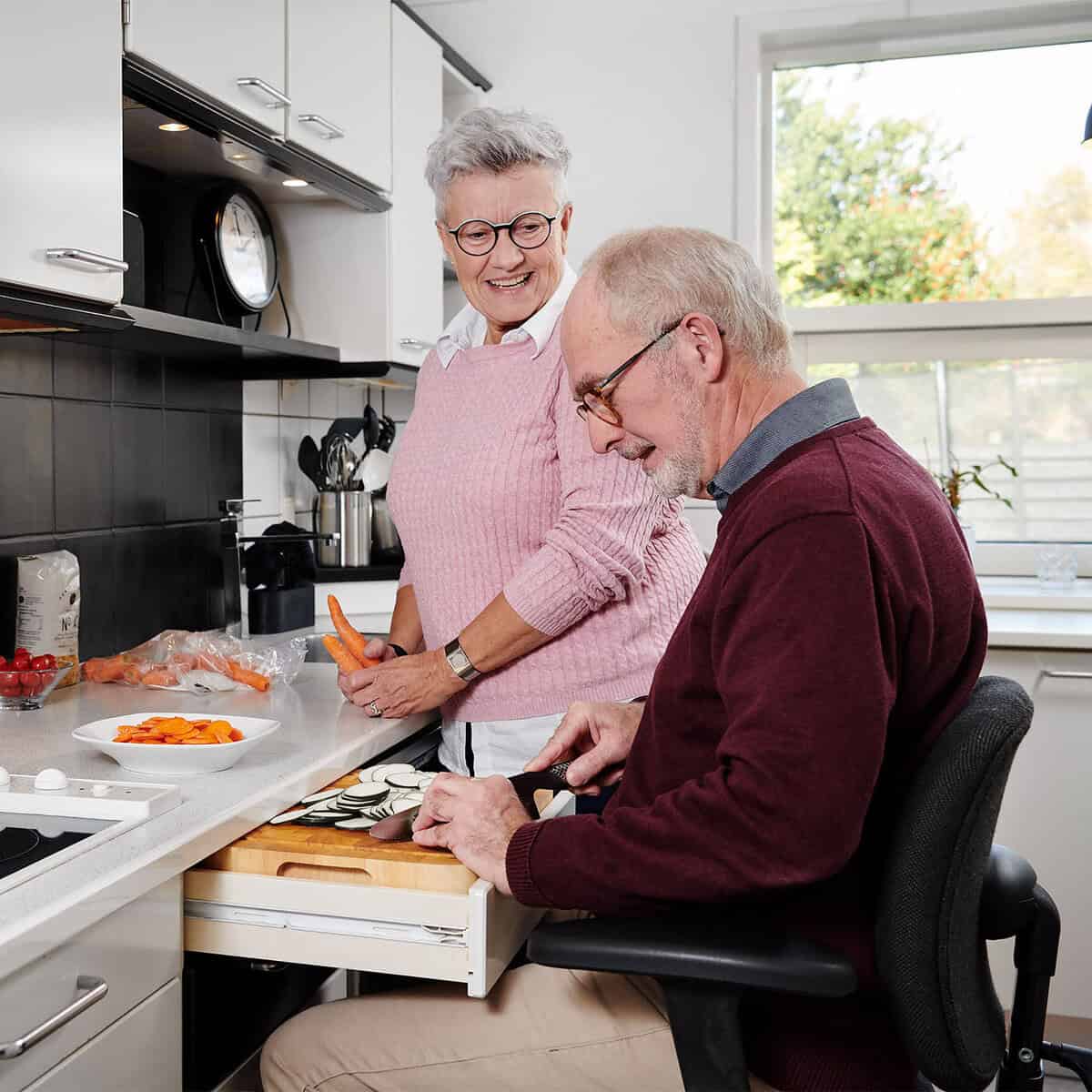
As nursing facilities grapple with challenges such as limited spaces and high costs, alternative solutions become essential for meeting the needs of older adults desiring to maintain independence at home. Advancements in assistive devices now play a critical role. Modern aids, including the VELA Chair—a medically approved mobility chair—offer enhanced safety, freedom of movement while seated, and support for daily activities such as cooking, dressing, or transferring. Many current mobility aids feature shock-absorbing materials, adjustable height mechanisms, and contoured grips to reduce strain and improve comfort, especially for users with arthritis or limited hand mobility. Sensor-equipped models provide real-time monitoring to detect falls and track movement, enhancing security and autonomy. These solutions not only reduce the burden on caregivers but also empower seniors to live more autonomously within their homes. Seniorsite.org
Exploring Alternatives to Nursing Homes
Supporting seniors to age in place brings several benefits, crucially preserving their independence. Mobility solutions such as VELA Chairs provide a powerful means to delay or even avoid the transition into nursing facilities. These chairs are equipped with features precisely addressing issues highlighted in caregiving—such as safety through a central brake, electric height adjustability for ease of transfers, and integrated design enhancing seated mobility. Recent advancements show even greater possibilities, including smart features for user safety and comfort, personalized ergonomic adjustments made possible by 3D printing, and options for remote monitoring integration, providing reassurance to caregivers and healthcare teams. Citing from Senior Chairs for Independent Living, imagine seniors seamlessly moving through daily tasks like cooking or enjoying a relaxed afternoon in a favorite spot at home. The VELA Chair offers practical assistance, ensuring activities are done safely and comfortably, allowing caregivers to conserve their energy. While this chair is one meaningful option, its practical benefits make it a viable choice for many seeking to maintain a dignified, independent lifestyle. More information can be found at Enhancing Mobility with Specialized Chairs.
Current Market Trends and Accessibility Considerations
The assistive technology market for elderly care is expanding rapidly, projected to reach over $1 trillion by 2029. This growth is driven by an aging population, ongoing innovation, and increased demand for personalized and smart solutions. However, the high costs associated with advanced devices, such as electric wheelchairs and smart mobility aids, continue to present barriers—especially where government reimbursement programs are limited. There is an increasing focus on user-centered and inclusive design, prompted by regulatory bodies and health authorities, to better meet diverse needs. Affordability, technology literacy, and privacy concerns related to AI-enabled devices are important factors in ensuring broader adoption and user satisfaction. Feedback from seniors and caregivers highlights the value of ergonomics, device reliability, and intuitive operation for effective daily use. iHealthcareAnalyst, PR Newswire, BCC Research.