

Updated January 2026: No substantial updates were made in this edition, as no new authoritative clinical research or policy guidance meeting Meyland-Smith editorial standards was available. The article remains current according to the latest authoritative health and assistive technology sources.
Understanding Dependable Senior Care: What Families Should Know
As the population ages, the demand for dependable senior care continues to rise. According to the CDC, 70% of adults turning 65 will require long-term care, with 42% of seniors in assisted living facing dementia. Dependable senior care is not just about meeting basic needs; it’s about providing reliable, safe, and high-quality care. Whether considering home care or assisted living, families must weigh options carefully.
For example, the Johnson family faced a tough decision when their mother was diagnosed with dementia. They evaluated home care and assisted living options, ultimately choosing an assisted living facility. This decision balanced their mother’s safety with the family’s peace of mind, citing the facility’s robust support network and specialized care options. According to the National Center for Assisted Living, 50% of assisted living residents are over 85, highlighting the need for reliable care at advanced ages.
Evaluating the Dependability of Senior Care Providers
Selecting a reliable provider is critical to ensuring the safety and well-being of seniors. Key factors include consistency of care, staff qualifications, and communication transparency. Medicare.gov offers tools to compare providers based on quality and performance indicators.
Consider the Thompsons, who opted for Home Instead Senior Care due to the provider’s reputation for trustworthiness and the professionalism of its caregivers. “The caregivers are dependable, always prompt, and genuinely care about my mother’s wellbeing,” shared Mr. Thompson. Such feedback helps families make informed decisions, highlighting testimonials’ value in assessing care reliability.
Coping with Common Conditions: Dementia, Mobility Issues, and Co-morbidities
Seniors often grapple with complex health conditions like dementia, mobility issues, and co-morbidities. Dependable senior care must address these challenges comprehensively. Integrated care models, like PACE (Program of All-Inclusive Care for the Elderly), can reduce hospitalizations and enhance outcomes, as noted in JAMDA.
Take the example of Mrs. Rivera, a senior with Alzheimer’s, who benefits significantly from PACE’s holistic approach. She receives coordinated medical and social services that enhance her quality of life, illustrating how dependable care extends beyond basic health needs.
Safety & Independence: Essential Tools and Technologies for Aging at Home
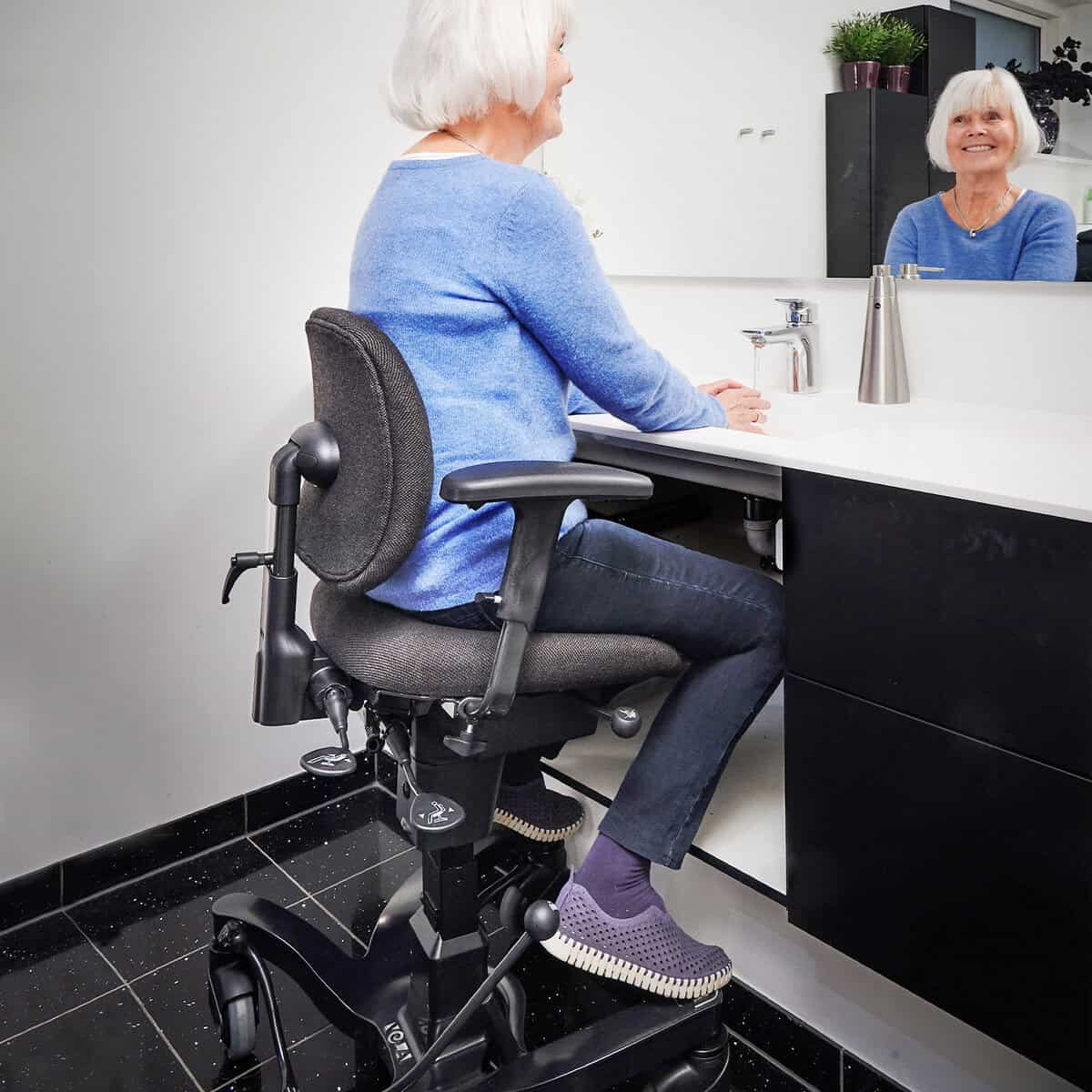
While nursing homes provide essential services for those who require it, many seniors and their families aim to preserve independence and comfort by remaining in their own homes for as long as possible. Technologies and tools tailored to assist with daily activities are pivotal in achieving this goal. The VELA Independence Chair is a medically approved mobility chair designed specifically for use at home. It offers enhanced safety and freedom of movement while seated, supporting daily tasks such as cooking, dressing, and transferring. This reduces the reliance on informal caregivers, easing their burden while promoting senior autonomy.
Recent advancements in senior assistive technology provide new solutions that focus on seamless integration, intuitive operation, and context-aware support. AI-powered exoskeletons and wearable rehabilitation technologies now use sensors and advanced artificial intelligence to dynamically optimize support for mobility and recovery. Smart home systems have gone beyond basic monitoring; AI-driven and voice-activated assistants now enable seniors to manage daily routines, medication, fall detection, and emergency responses with improved simplicity—especially aiding those with visual or cognitive impairments. These tools foster greater safety, independence, and engagement, while also delivering positive mental health outcomes through reduced isolation and promoting safer, more confident living at home. Co-creation with older adults and inclusive, ergonomic design are now emphasized, ensuring that assistive solutions match users’ abilities and preferences for wider adoption and satisfaction. In addition, targeted training programs and user-friendly interfaces help seniors overcome digital literacy barriers, supporting a broader embrace of these new tools. Connected Nation, 2025 Silverts, 2025 H2HHC, 2025 J Med Internet Res., 2025 LetsEnvision, 2025 The Good Life SV, 2025 World Health Organization, 2025
For instance, Mr. Lewis, a senior with limited mobility, has found newfound independence using a VELA chair. Its ergonomic design and stability features help him safely conduct daily activities, minimizing his need for external aid. Testimonials from users underscore the transformative impact of such aids, highlighting their contribution to reliable senior care.
Dependable senior care is vital to ensuring quality of life for the elderly while supporting both safety and independence. Reliable care solutions incorporate comprehensive services, family inclusion, and cutting-edge technology. For families navigating senior care options, it’s essential to leverage resources like Medicare.gov and programs like PACE to identify suitable, dependable solutions tailored to their loved one’s needs.
How Mobility Solutions Like VELA Make a Difference
As families seek alternatives to nursing homes, solutions like the VELA Independence Chair can play a significant role in enabling seniors to remain at home. These chairs address essential concerns such as safety and ease of use with features like a central brake, electric height adjustability, and smooth movement while seated, promoting safety and a sense of autonomy. By supporting daily activities like cooking or dressing, VELA chairs empower seniors to maintain their lifestyle, thus delaying the need for institutional care. Additionally, fall prevention is a primary concern for seniors, and VELA’s mobility chairs help reduce those risks. Through these practical tools, seniors experience a life enriched with dignity, freedom, and energy conservation. While VELA isn’t the sole solution, it demonstrates the potential to significantly ease the caregiving journey, fostering independent living.
In addition to mobility chairs, seniors now benefit from a new generation of wearable and AI-driven assistive technologies. Modern rehabilitation devices use real-time sensors and algorithms to personalize support, increasing gait speed and efficiency, and smart e-bikes and brain-training wearables have emerged to help maintain cognitive health and reduce brain age markers. Virtual care and telehealth services are being integrated with these assistive tools, enabling seniors to manage chronic conditions and mental health from home—especially important for those with mobility challenges or living in rural areas. Global health organizations such as the World Health Organization estimate that by 2050, 3.5 billion people will require some form of assistive technology, underscoring the urgency of making these technologies affordable and accessible. Inclusive and ergonomic design, driven by feedback and co-creation from older adults, is now critical to ensuring user satisfaction and broad adoption.Connected Nation, 2025 H2HHC, 2025 J Med Internet Res., 2025 LetsEnvision, 2025 The Good Life SV, 2025 World Health Organization, 2025